The construction industry is entering a practical period of material change. Rising energy costs, stricter carbon targets, and climate-related damage are reshaping design decisions. This guide explores the Future Trends In Construction Materials expected to influence projects in 2026 and beyond.
Low-carbon concrete, recycled steel, engineered timber, and bio-based insulation are gaining serious attention. Their value depends on more than attractive environmental claims. Project teams must examine verified environmental product declarations, structural performance, fire resistance, moisture behavior, and local availability. A concrete mix with reduced cement may lower emissions, yet require longer curing or stricter quality control. These details matter on real building sites.
Smart materials are also becoming more accessible. Sensor-enabled concrete can help track cracking, temperature, and structural movement. Phase-change materials may improve indoor comfort by storing and releasing heat. Modular components can reduce waste when manufacturers maintain accurate tolerances. Small improvements add up.
But progress is not automatic.
Some emerging products remain expensive, difficult to source, or weakly supported by long-term field data. A material may perform well in a laboratory and struggle beside a busy coastal road. Therefore, responsible forecasts should separate proven applications from ambitious experiments. The strongest decisions will combine manufacturer documentation, independent testing, experienced contractors, and regional building requirements. This overview does not treat innovation as a guarantee. It offers a measured view of materials that could make construction more efficient, resilient, and accountable in 2026.
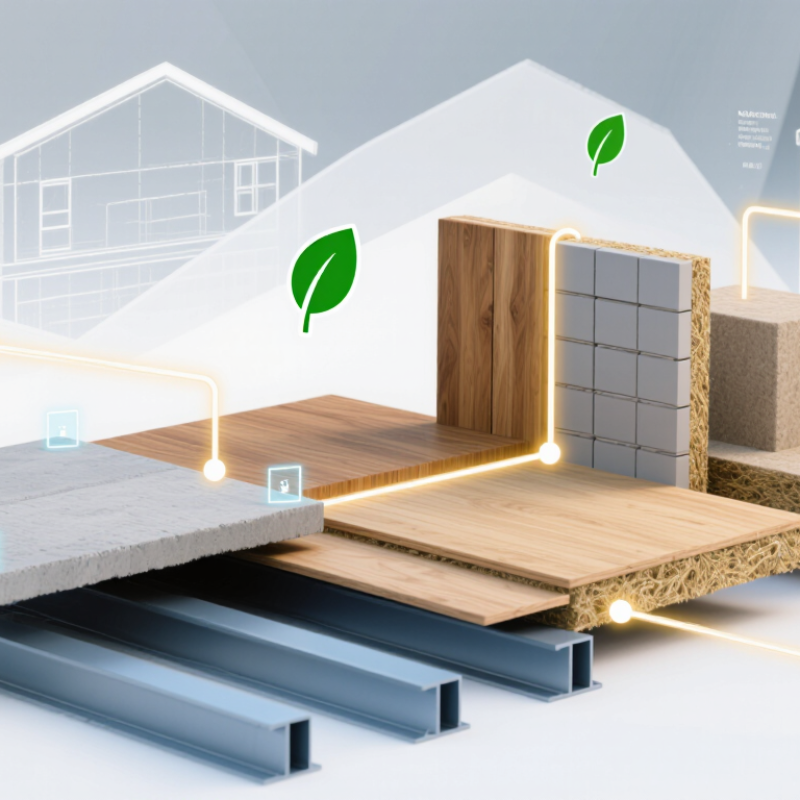
Future construction materials in 2026 will be defined by measurable performance, not attractive promises. Lower embodied carbon will matter, but durability must remain visible in the data. Designers will examine material passports, recycled content, repair options, and end-of-life recovery plans. A lower-carbon product that fails early may create a larger environmental burden.
Practical experience on construction sites will also shape material choices. Lightweight panels can reduce lifting effort and installation time. Self-healing concrete may limit water intrusion in selected structures. Bio-based insulation can improve indoor comfort when moisture is controlled carefully.
Small details matter. A cold bridge near a window can undermine an otherwise efficient building. Future materials must work with familiar tools, local skills, and realistic maintenance budgets.
Sensors will become more common inside walls, floors, and structural elements. They can track moisture, temperature, strain, and deterioration before damage becomes obvious. However, digital monitoring is not automatically reliable. Sensors need calibration, secure data handling, and trained professionals who can interpret results. Material safety will also receive stronger attention, including emissions, fire behavior, and chemical exposure during installation. No material is perfect. Recycled inputs may vary, advanced products may cost more, and laboratory results may not reflect a crowded job site. Careful testing, transparent documentation, and honest limits will define credible construction materials in 2026.
Measurable performance will matter more than attractive promises. Designers will examine carbon data, durability, repair options, and recovery plans. Numbers matter.
A lower-carbon material may create greater environmental harm if it fails early. Long service life must appear in reliable data. This remains difficult.
Low-carbon concrete, recycled aggregates, engineered timber, and bio-based insulation are becoming more common. Their performance still depends on local conditions and maintenance.
Lightweight panels can reduce lifting effort and installation time. They may also lower worker fatigue on busy sites. Installation details still matter.
Moisture, fire resistance, and dimensional stability require careful testing. Repeated wetting can damage a panel that looks sustainable on paper. That risk deserves attention.
Sensors can monitor moisture, temperature, strain, and deterioration inside building elements. They may reveal problems before visible damage appears. Calibration is essential.
No. Sensors need calibration, secure data handling, and trained interpretation. Poor data can create false confidence. Technology is not magic.
Contractors face inconsistent supply, higher testing costs, and limited regional availability. Laboratory results may differ from a wet winter pour. Field evidence remains weaker.
Buyers should review environmental declarations, test reports, maintenance needs, fire behavior, and local requirements. They should inspect samples and monitor occupied buildings.
No. Better materials help, but they cannot solve the entire energy and emissions gap. The industry may be promising speed too confidently.
Future Trends In Construction Materials for 2026 will be defined by a balance of sustainability, performance, adaptability, and intelligent functionality. New materials are expected to reduce carbon emissions, improve energy efficiency, extend building lifespans, and support circular construction through recycled, renewable, and low-waste inputs. High-performance composites, bio-based alternatives, energy-generating surfaces, self-healing systems, and advanced insulation solutions may help buildings respond more effectively to changing environmental conditions.
Smart materials will also transform modern building practices by sensing temperature, moisture, pressure, and structural movement, enabling more accurate maintenance and improved occupant comfort. However, widespread adoption will depend on cost control, reliable supply chains, skilled labor, testing procedures, safety verification, and consistent international standards. In 2026, market development will rely on cooperation among designers, manufacturers, contractors, regulators, and researchers to demonstrate long-term value. The most successful materials will be those that combine practical construction performance with measurable environmental and economic benefits.

 PEKA Build Materials