The exterior of a building is its first impression. Choosing the right materials can enhance aesthetics and durability. In the 2020s, homeowners and builders face growing pressures to select materials that withstand the elements and time. According to a report by the American Institute of Architects, sustainable materials are increasingly favored. This shift reflects a demand for longevity and environmental responsibility.
This "Long Lasting Exterior Material Guide" will provide insights into durable options. With advancements in technology and materials science, options now range from innovative composites to traditional stone. Each material has its pros and cons, making informed selections crucial.
Reviews from industry experts reveal that the wrong choices can lead to costly repairs. Some materials promise longevity but may not deliver under extreme conditions. Homeowners should assess their local climate and specific needs before deciding. This guide aims to highlight the best options for durability while offering practical advice. Understanding these factors can optimize both cost-efficiency and aesthetic appeal.
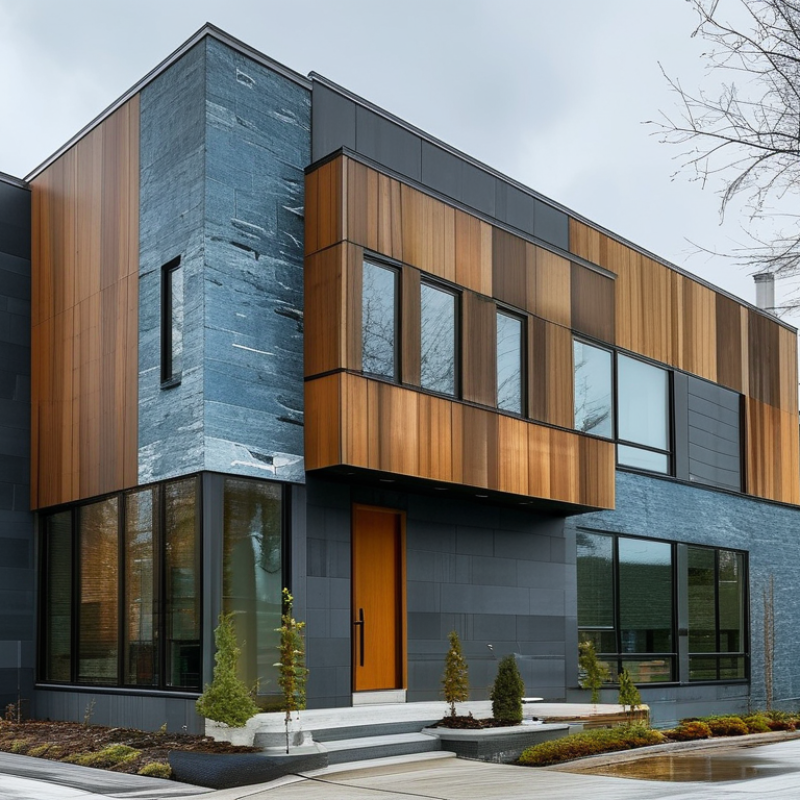
Choosing the Right Material for Your Exterior Needs
When choosing exterior materials, durability and aesthetics are key. These factors impact both maintenance and appearance. Many buyers seek materials that withstand harsh weather, resist decay, and require minimal upkeep. Traditional options include wood and brick, while modern alternatives feature composites and metal.
Wood, while beautiful, demands regular treatment. It can warp, crack, or rot over time. Homeowners may find themselves constantly repairing or replacing damaged boards.
On the other hand, brick, while long-lasting, can be cold and heavy. Installation is labor-intensive, and the costs can escalate.
Consider newer materials like fiber cement or polymer boards. They mimic the look of wood but are more resilient. They resist pests, moisture, and fading. However, some people feel they lack the warmth of natural timber.
Balancing beauty with practicality requires thoughtful research. Buyers should prioritize their unique needs and the local environment.
Durability Factors: What Makes Exterior Materials Long Lasting?
When selecting exterior materials, durability is paramount. Various factors influence how long these materials will last. One crucial aspect is resistance to weather elements. Exposure to rain, sun, snow, and wind can cause wear and tear. Materials like fiber-cement or brick offer good resistance. They endure harsh conditions better than traditional wood.
Another factor to consider is maintenance. Some materials require frequent upkeep, which could lead to increased costs over time. For instance, painted surfaces need regular repainting. On the other hand, materials like vinyl can last longer with minimal maintenance. This makes them an appealing choice for many homeowners.
Installation methods also play a significant role in durability. Proper installation ensures that materials perform as intended. Poorly installed materials may suffer early failure. It’s essential to consult trained professionals to ensure the best results. Investing time in researching construction methods can provide valuable insights. Exploring these details helps buyers make informed decisions for lasting, durable exteriors.
Comparative Analysis of Popular Exterior Materials on the Market
When selecting exterior materials, buyers face a plethora of choices. It's crucial to understand how these materials hold up against weather elements. According to a study by the American Society of Civil Engineers, nearly 30% of exterior materials fail due to poor weather resistance. This highlights the importance of thorough research before making a decision.
Wood is a traditional choice, admired for its beauty and insulation. However, it requires extensive upkeep. A report by the National Association of Home Builders indicates that untreated wood can decay within five years in harsh climates. In contrast, materials like fiber cement boast longevity, with lifespans extending over 50 years. Still, fiber cement comes with a higher initial cost. This creates a dilemma for buyers who must balance price with durability.
Another noteworthy option is vinyl siding. It’s resistant to fading and provides decent insulation. Yet, it may not stand the test of time when exposed to extreme temperatures. The Vinyl Siding Institute mentions that proper installation is essential for maximizing lifespan. Missteps during installation can lead to issues that shorten the material's effectiveness. Understanding both benefits and drawbacks is vital in making an informed choice.
2026 Top Long Lasting Exterior Material Guide for Buyers
| Material Type |
Durability (Years) |
Maintenance Level |
Energy Efficiency |
Cost Range ($/sqft) |
| Vinyl Siding |
20-40 |
Low |
Moderate |
2-7 |
| Fiber Cement |
50+ |
Moderate |
High |
7-10 |
| Wood |
15-30 |
High |
Low |
5-15 |
| Stucco |
50+ |
Low |
Moderate |
6-12 |
| Brick |
100+ |
Very Low |
High |
8-15 |
Maintenance Tips to Extend the Life of Your Exterior Material
When selecting exterior materials, maintenance is key to longevity. Neglecting proper care can lead to premature wear and costly replacements. Here are some practical tips to help maximize the lifespan of your materials.
Regular cleaning is essential. For instance, dirt and algae can accumulate on surfaces, leading to damage over time. Consider using a gentle pressure washer or simply scrub with a mild detergent. This helps maintain the aesthetic appeal and the integrity of the material.
Inspect your materials frequently. Look for signs of wear, such as cracks or peeling. Addressing these issues early can prevent more extensive damage. Sealants and protective coatings may need reapplication. It's simpler than it sounds. Plan for routine check-ups to ensure all is well.
In terms of weather factors, shielding your materials from harsh elements is crucial. Use awnings or overhangs to protect from direct sunlight and rain. These simple adjustments can significantly contribute to the durability of your exterior finishes.
Cost Considerations for Long Lasting Exterior Materials
When investing in exterior materials, cost is a significant consideration. Long-lasting materials often require a higher initial investment. However, they can save homeowners money over time. For instance, durable materials like brick or stone can withstand harsh weather. This reduces the need for frequent repairs and replacements.
Think about maintenance costs alongside initial price tags. Some materials may seem affordable but can lead to rising maintenance expenses. Wood may look attractive, but it often demands regular treatment to resist rot and pests. In contrast, metal siding may be pricier upfront but offers extensive durability with minimal upkeep.
Homeowners should also consider energy efficiency. Certain materials can improve insulation, lowering energy bills. Investing in energy-efficient systems might result in a higher initial cost, but the savings can accumulate significantly. Understanding long-term value is crucial. Choosing the right material is not just about the price today. Reflecting on future costs can help in making a wise investment.
2026 Top Long Lasting Exterior Materials Cost Comparison
Conclusion
The "Long Lasting Exterior Material Guide" provides essential insights for buyers looking to enhance their outdoor spaces with durable materials. It begins by discussing the importance of choosing the right materials tailored to specific exterior needs, emphasizing that the longevity of these materials is influenced by various durability factors.
A comparative analysis offers an overview of popular exterior materials available on the market, highlighting their strengths and weaknesses. The guide also includes practical maintenance tips to help extend the lifespan of these materials. Lastly, it addresses cost considerations, ensuring that buyers can make informed decisions that balance durability and budget constraints. This comprehensive approach equips homeowners with the knowledge to invest wisely in long-lasting exterior solutions.

 PEKA Build Materials