As we look toward 2026, the Urban Construction Material Trends will shape city landscapes and influence sustainability. The construction industry faces pressing demands for innovation. Adopting advanced materials will be crucial for meeting environmental targets. In this evolving market, professionals must stay informed to ensure effective decision-making.
Recent developments in biodegradable and recyclable materials highlight a shift toward eco-friendly practices. Notably, cities are exploring the use of advanced composites that enhance durability while reducing waste. However, these materials come with challenges. Their long-term effects on urban environments require further study. Engaging with urban planners and architects helps navigate these complexities.
Emerging technologies like 3D printing are also transforming construction methods. They promise efficiency and customization, but their implementation can be unpredictable. Stakeholders must evaluate costs and benefits carefully. The journey ahead for Urban Construction Material Trends demands not only innovation but also cautious reflection on past practices.
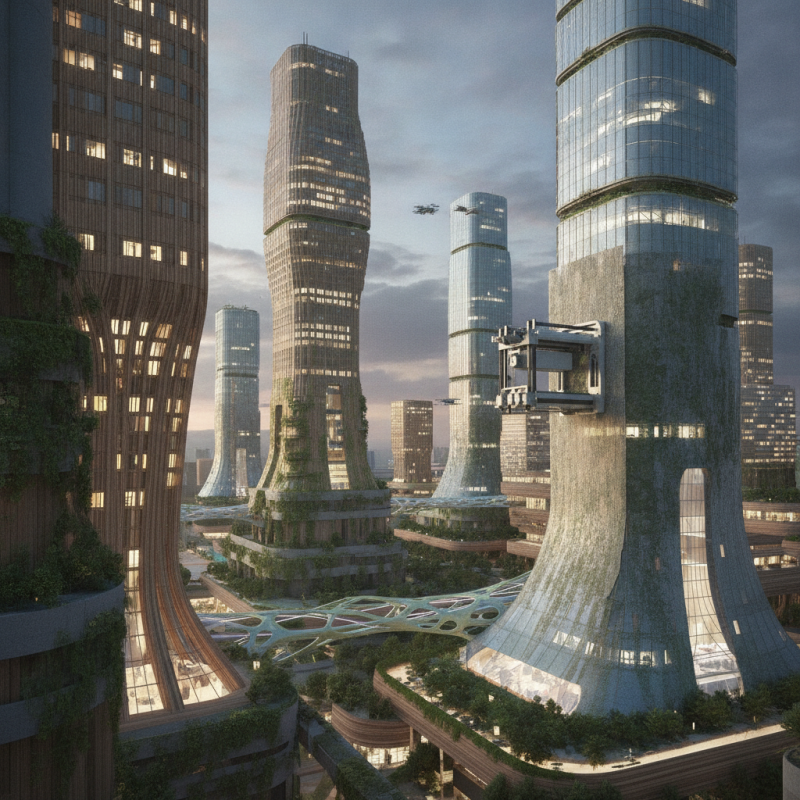
The urban construction landscape is evolving rapidly. By 2026, sustainability will dominate material choices. Emerging materials, such as recycled concrete and bioplastics, are gaining traction. Reports indicate that the global green building materials market will exceed $400 billion. This shift reflects a growing emphasis on reducing carbon footprints.
Recycled concrete aggregates are becoming crucial. They reduce waste and limit raw material extraction. A study from the Journal of Sustainable Construction notes up to a 30% decrease in energy use. Yet, challenges persist. The quality of recycled materials can vary. Consistent performance remains a key concern for many builders.
Bioplastics are another exciting development. These materials derive from renewable sources and can reduce dependency on fossil fuels. Applications range from insulation to structural components. However, performance and longevity still require extensive research. As cities expand, embracing innovative materials is essential. The path forward is not without hurdles, but it is promising.
In 2026, the construction industry will see a significant shift in material choices driven by technological innovations. Advanced materials, such as self-healing concrete and smart glass, are emerging. These materials not only enhance durability but also improve energy efficiency. For instance, self-healing concrete can repair its own cracks, reducing maintenance costs over time.
Moreover, Building Information Modeling (BIM) is revolutionizing material selection. BIM allows architects and engineers to visualize projects in a virtual space. This technology ensures that the best materials are chosen based on performance data and environmental impact. However, the initial learning curve and integration issues with traditional methods pose challenges for widespread adoption.
Recyclable and sustainable materials are gaining traction as well. Innovations in recycling processes make it easier to incorporate waste into new construction. Yet, there is still skepticism about the quality of these materials. Balancing innovation with practicality remains a crucial consideration. As the industry evolves, keeping an eye on these trends will be essential for informed decision-making.
Recycling and reuse are at the forefront of urban material sustainability. As cities grow, the need for sustainable building materials intensifies. In 2026, we will likely see an increase in reclaimed materials. Old bricks, wood, and metals can find new life in construction. This approach reduces waste and lessens the pressure on natural resources. A focus on local sourcing can also support community economies.
However, challenges remain. Not all recycled materials meet building codes or safety standards. The inconsistency in quality can deter developers. There is a need for better testing protocols. Moreover, the market for reused materials is still developing. Many homeowners and builders may not know where to find these options. Education and outreach are crucial for fostering acceptance of these materials.
As society pushes for greener solutions, creativity is essential. Architects and builders must collaborate to innovate. New designs that integrate recycled content can lead to iconic structures. Sustainability should not just be a trend; it needs to be a standard practice in urban planning. Embracing these materials will shape our cities in more resilient ways.
Smart materials are transforming urban environments. They respond to external stimuli, enhancing functionality in buildings and infrastructure. For instance, self-healing materials can mend cracks in concrete, extending the life of structures. This innovation could reduce maintenance costs significantly. Another exciting example is color-changing materials that adapt to weather conditions, improving energy efficiency.
Understanding smart materials is key for urban planners. Integrating these materials requires careful planning. Consider compatibility with existing infrastructure. Assess the impact on the environment and long-term sustainability. Each choice must be strategic and informed.
Tips: Educate yourself about new technologies. Conduct thorough research on potential materials. Connect with experts in the field. Embrace innovative ideas, but remain critical. Not every trend is suitable for your project. Reflect on the implications of smart materials. They hold promise, but also present challenges.
In urban construction, regulatory changes are shaping material selection like never before. A recent report from the Urban Materials Institute highlights that over 70% of construction firms are adapting their strategies in response to new laws. These changes often focus on sustainability and environmental impact. For instance, regulations now encourage the use of recycled materials, which can reduce carbon footprints significantly.
Contractors face challenges in maintaining a balance between compliance and cost. The Material Selection Survey 2023 indicates that 60% of companies report higher costs associated with sustainable materials. Many projects experienced delays due to the need for alternative materials that meet new standards. There’s a growing concern that while regulations promote better practices, they also complicate supply chains.
Additionally, innovation is being driven by these regulations. New technologies are emerging to streamline the integration of compliant materials. According to the Green Building Council, buildings using innovative materials can improve energy efficiency by up to 30%. However, these advancements require investment and a shift in mindset among stakeholders. A lack of familiarization with new materials can lead to setbacks, creating a pressing need for continuous learning in the industry.
| Material Type | Projected Demand (2026) | Sustainability Rating | Impact of Regulations | Cost Trend (%) |
|---|---|---|---|---|
| Recycled Concrete | 25% Increase | A | Positive Impact | 5% |
| Cross-Laminated Timber | 30% Increase | A+ | Strong Regulations Favoring | 7% |
| Bamboo | 20% Increase | A++ | Encouraged by New Regulations | 3% |
| Geosynthetics | 15% Increase | B | Moderate Regulations | 4% |
| Smart Materials | 35% Increase | A+++ | Heavily Regulated | 10% |
: Recycled concrete and bioplastics are becoming popular choices for sustainable building.
They reduce waste and can decrease energy use by up to 30%.
Inconsistent quality and performance are major concerns for builders using recycled materials.
They come from renewable sources and can help reduce reliance on fossil fuels.
Old bricks, wood, and metals can be reused, reducing waste and supporting local economies.
Not all reused materials comply with building codes or safety standards, which can deter developers.
Over 70% of construction firms are adapting to new laws emphasizing sustainability and environmental impact.
About 60% of companies report higher costs, complicating project budgets and timelines.
They encourage the development of new technologies that improve material compliance and efficiency.
Continuous education on new materials is crucial to prevent setbacks and promote best practices.
The article "2026 Urban Construction Material Trends What to Expect?" explores the evolving landscape of materials used in urban construction. By 2026, the focus will increasingly be on emerging sustainable materials, driven by a growing demand for environmentally friendly solutions. Innovations in technology are reshaping material choices, enabling the development of smarter, more functional materials that enhance urban environments.
Additionally, the trends in recycling and reuse will play a significant role in promoting sustainability within urban construction, while regulatory changes are expected to influence material selection significantly. Overall, these Urban Construction Material Trends reflect a broader commitment to building cities that are not only functional but also sustainable and resilient.

PEKA Build Materials