In the realm of construction, finding cost-effective solutions is crucial. Affordable Building Material Alternatives play a key role in decreasing overall project costs. According to industry expert Mark Johnson, "The right materials can make or break a project's budget." His insights highlight the importance of choosing wisely when it comes to materials.
Many builders today seek alternatives that do not compromise quality. For instance, reclaimed wood and recycled steel can offer durability at a lower price. Innovations in green materials, such as bamboo or rammed earth, are gaining traction as well. These materials not only save money but also support sustainability efforts. However, some may hesitate due to perceived limitations in design or availability.
It's essential to weigh the pros and cons of each option. While some alternatives may require more research or adaptation, they often yield surprising results. Balancing cost with functionality and aesthetics can lead to successful outcomes. Exploring these Affordable Building Material Alternatives can transform the construction landscape, but it demands careful consideration and an open mind.
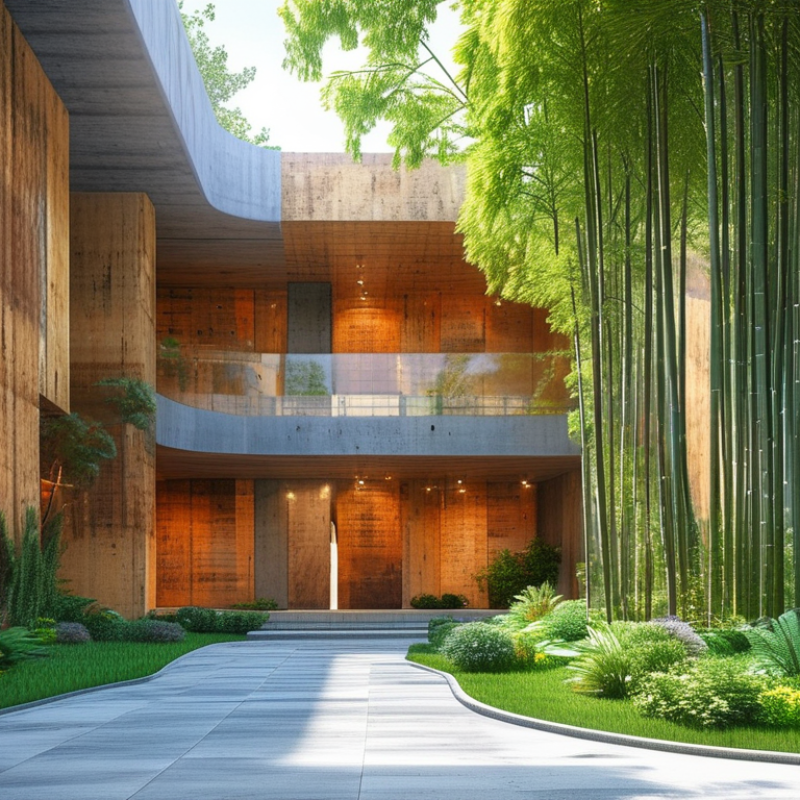
Top 10 Affordable Building Material Alternatives for Sustainable Projects
Sustainable construction materials are essential for eco-friendly projects. They reduce environmental impact and offer cost-effective solutions. According to a report by the World Green Building Council, buildings account for 39% of global carbon emissions. Choosing the right materials can significantly lower this figure.
Reclaimed wood is a popular alternative. It not only reduces waste but also adds character to structures. Research shows that using reclaimed materials can save up to 30% on building costs. Consider local sourcing to cut transport emissions.
Another effective option is rammed earth. It uses natural materials and exhibits great thermal mass. This helps regulate indoor temperatures, lowering energy costs. Remember, using local materials supports the community and reduces your carbon footprint.
Tip: Always assess the lifecycle of materials. Some options may have hidden environmental costs. Consider durability and maintenance, as cheap materials can lead to higher long-term expenses. Balancing initial costs with sustainability is crucial in successful projects.
Recycled Steel: Cost-Effective and Environmentally Friendly Option
Recycled steel stands out as a cost-effective and environmentally friendly building material. It is made from scrap metal, significantly reducing the demand for new steel production. This process decreases energy consumption and lowers greenhouse gas emissions. Many construction projects now consider recycled steel for its durability and strength. It’s a practical alternative to traditional materials.
The benefits of recycled steel extend beyond sustainability. It is often less expensive than new steel, making it a budget-friendly choice. Many builders appreciate its versatility. Recycled steel can be used in everything from structural supports to decorative elements. However, sourcing high-quality recycled steel can sometimes be challenging. Not all suppliers offer consistent quality. Builders must be diligent in their research to find reliable sources.
There’s also the aspect of public perception. Some clients may still prefer new materials for aesthetic reasons. Building trust about recycled materials is crucial. Educating clients on the benefits can make a significant difference. While recycled steel is not flawless, its advantages outweigh its challenges. It requires ongoing conversation in the industry to fully embrace this sustainable option.
Top 10 Affordable Building Material Alternatives for Your Projects
| Material |
Cost per Unit |
Environmental Impact |
Durability |
Recyclability |
| Recycled Steel |
$0.80 per lb |
Low |
50+ years |
Yes |
| Bamboo |
$2.00 per square foot |
Very Low |
10-15 years |
Yes |
| Reclaimed Wood |
$5.00 per square foot |
Low |
40-100 years |
Yes |
| Compressed Earth Blocks |
$1.00 per block |
Very Low |
50+ years |
No |
| Straw Bales |
$3.00 per bale |
Low |
5-10 years |
Yes |
| Cork |
$2.50 per square foot |
Low |
25-30 years |
Yes |
| Recycled Glass |
$3.00 per lb |
Low |
Indefinite |
Yes |
| Rammed Earth |
$15.00 per cubic yard |
Very Low |
100+ years |
No |
| Hempcrete |
$3.50 per square foot |
Low |
50+ years |
No |
| Fiber Cement |
$1.50 per square foot |
Low |
50+ years |
Yes |
Bamboo: Rapidly Renewable Resource with High Strength-to-Weight Ratio
Bamboo stands out as a sustainable building material. This plant grows quickly, making it a renewable resource. Within three to five years, bamboo reaches maturity. Its rapid growth rate helps reduce deforestation pressures.
One significant advantage of bamboo is its high strength-to-weight ratio. It is often used in construction where sturdiness is critical. While bamboo can bear substantial loads, it remains lightweight. This characteristic allows for easier transportation and handling at construction sites.
Challenges exist, however. Bamboo's susceptibility to pests and moisture can lead to durability concerns if not properly treated.
Incorporating bamboo into building projects can attract eco-conscious clients. Designers and builders may find innovative ways to use it, enhancing aesthetic appeal. Yet, knowledge of proper treatment methods is essential. Without this expertise, projects could face unexpected failures. Exploring bamboo as a viable option requires critical thinking and creativity.
Rammed Earth: Low-Cost and Energy-Efficient Natural Building Technique
Rammed earth is gaining attention as a sustainable building technique. This method uses natural materials like soil, sand, and gravel. It compresses these elements into sturdy walls. The result is a low-cost, energy-efficient solution for construction.
The process of rammed earth can be labor-intensive. Builders need expertise and time to compress the soil correctly. However, when executed well, it offers excellent thermal mass. This means houses stay cool in summer and warm in winter, reducing energy consumption. Communities are increasingly realizing its potential for eco-friendly living.
Cost savings are significant when using rammed earth. It often requires fewer resources compared to traditional materials. Yet, it is essential to consider local building codes. Not all areas accept rammed earth without adjustments. While the technique has many benefits, its long-term durability can raise concerns. Proper maintenance is crucial to ensure the sustainability of rammed earth structures.
Reclaimed Wood: Economical and Unique Material with Low Carbon Footprint
Reclaimed wood stands out as a remarkable choice for building projects. It embodies both environmental responsibility and a unique aesthetic. Sourced from old barns, factories, or furniture, this material tells a story. Each piece carries the charm of its previous life, adding character to any design. Many homeowners appreciate that this wood helps reduce waste, which contributes to a lower carbon footprint.
Using reclaimed wood can also be cost-effective. Prices fluctuate based on availability and condition. However, many find that the distinctive look often outweighs the cost considerations. The wood’s natural imperfections, such as knots and color variations, can enhance the beauty of a space. It’s important to choose quality pieces to avoid structural issues. Not all reclaimed wood is created equal; some may have hidden problems.
Challenges can arise during the installation process. Proper treatment and preparation are crucial for durability. Splintering or warping may occur without adequate care. Working with reclaimed wood requires patience and skill. Embracing these challenges can lead to stunning results. In the end, reclaimed wood is not just a material; it’s a sustainable choice that can transform your project.
Insulated Concrete Forms: Efficient Thermal Performance for Budget Projects
Insulated Concrete Forms (ICFs) are revolutionizing budget projects with their efficient thermal performance. These forms are lightweight yet sturdy, making them easy to handle. They create walls that provide excellent insulation, significantly reducing heating and cooling costs. In areas with extreme weather, ICFs maintain comfortable indoor temperatures efficiently.
Using ICFs also means less waste on site. They are often prefabricated, which speeds up construction times. This is beneficial for budget-conscious projects that need timely completion. However, some may find the initial investment higher than traditional materials. Careful planning is essential to balance short-term costs with long-term savings.
Moreover, ICFs require skilled labor for proper installation. Finding trained professionals can be a challenge. Not every contractor has experience with this material. This factor can add to the overall project complexity. Each project has unique needs, so weighing these considerations is crucial.
Top 10 Affordable Building Material Alternatives
FAQS
: Recycled steel is produced from scrap metal, reducing new steel demand.
It decreases energy consumption and greenhouse gas emissions during production.
It is used for structural supports and decorative elements in buildings.
Finding consistent quality from reliable suppliers can be difficult.
Bamboo has a high strength-to-weight ratio and grows rapidly, making it sustainable.
Bamboo can be vulnerable to pests and moisture without proper treatment.
It reduces waste and has a lower carbon footprint by reusing existing materials.
Each piece has unique characteristics, adding charm and a story to designs.
Issues like splintering or warping may occur without proper preparation and care.
Educating clients on benefits helps build trust and acceptance of alternative materials.
Conclusion
In today's construction landscape, embracing affordable building material alternatives is essential for achieving sustainable projects without compromising quality. Among the top options, recycled steel stands out as a cost-effective and eco-friendly solution, while bamboo offers a rapidly renewable resource with an impressive strength-to-weight ratio. Additionally, rammed earth presents a low-cost, energy-efficient natural building technique, making it an excellent choice for budget-conscious construction.
Another viable alternative is reclaimed wood, celebrated for its uniqueness and low carbon footprint, allowing projects to maintain both aesthetic charm and sustainability. Furthermore, insulated concrete forms provide efficient thermal performance, ensuring comfort in budget projects. By integrating these affordable building material alternatives, builders can significantly reduce costs while promoting environmental stewardship in their construction endeavors.

 PEKA Build Materials