In the construction industry, effective management of materials is crucial. Building Material Storage Best Practices can significantly enhance efficiency. Proper storage reduces waste and ensures materials are in optimal condition. A well-organized storage area promotes safety and accessibility.
Buyers must be attentive to storage conditions. This includes monitoring temperature and humidity. Materials like wood and drywall are susceptible to damage without the right environment. Understanding how to protect these resources is essential for any project.
Reflecting on these practices can help identify gaps in current methods. Are materials organized for easy retrieval? Is there a system to track inventory levels? Addressing these questions can lead to improved strategies and better project outcomes.
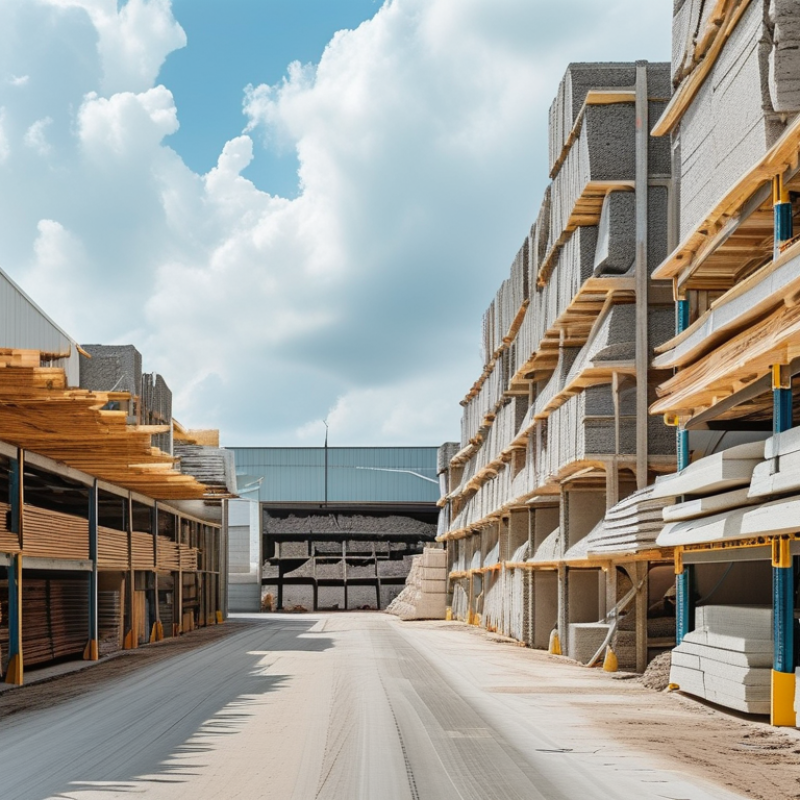
When selecting storage solutions for building materials, various factors come into play. The ideal storage system must be designed to maintain the integrity of materials. It’s essential to evaluate material types and their specific needs. For example, lumber requires ventilation to prevent moisture build-up, while drywall should be kept dry to avoid mold.
**Tips:** Assess your space carefully. Consider whether you have room for vertical storage systems, which can save space and improve accessibility. Use clear labeling to ensure that materials are easy to find and manage.
Another critical aspect is organization. A disorganized storage area can lead to project delays. Store materials by category and size. This approach helps workers quickly locate what they need. However, it’s not just about storing materials neatly; regular checks for damaged or expired items are necessary.
**Tips:** Implement a first-in, first-out method for perishable goods. This ensures that older stock is used before newer inventory. Employing digital inventory systems can also provide real-time tracking of materials.
Storage facilities play a pivotal role in building material management. The location of these facilities significantly impacts transportation costs and delivery times. Research indicates that 70% of logistics costs are influenced by distance from suppliers to customers. Therefore, selecting a strategic location is crucial for global buyers.
Accessibility to storage sites is equally vital. Facilities should be near major transportation hubs like highways and ports. The World Bank's Logistics Performance Index shows that countries with efficient logistics systems experience a 10-20% reduction in delivery times. However, many companies still overlook these factors, leading to delays and increased operational costs.
Investments in technology can enhance the efficiency of storage facilities. For instance, inventory management systems improve stock visibility. Yet, only 30% of firms currently utilize advanced inventory solutions. This gap presents a vital opportunity for companies to streamline operations. The logistics landscape is challenging, and strategic location and accessibility can make a difference.
Effective inventory management is crucial for buyers dealing with building materials. Tracking materials accurately ensures that your supplies are always ready when needed. Employing digital inventory systems can enhance visibility, minimizing the risk of overstocking or stockouts. This can lead to significant cost savings and increased efficiency.
Tips: Regularly audit your inventory. This helps identify discrepancies and prevent potential losses. Utilize barcoding or RFID technology for real-time tracking. Automating these processes can save time and reduce human error.
In addition, always keep an accurate record of your inventory levels. Materials should be organized and appropriately labeled for quick access. Suboptimal storage can lead to damage and inefficiency. Reinforcing these practices can elevate your overall operational reliability, reflecting a commitment to professionalism and efficiency in management.
When it comes to building material storage, safety and compliance are paramount. Ensuring that materials are stored properly helps prevent accidents and meets regulatory standards. It's essential to organize your storage space effectively. Keep materials categorized, labeled, and clearly visible. This practice not only enhances safety but also improves efficiency and retrieval times.
Tips: Regularly inspect your storage areas for hazards. Look for leaks or signs of damage. Train staff on safety protocols and ensure they understand the importance of compliance. A knowledgeable team reduces the risk of accidents and enhances overall safety culture.
Another concern is the environmental impact. Proper storage helps limit waste and reduces the chance of contamination. Materials should be stored in a way that prevents exposure to weather or harmful substances. Adequate ventilation can also help maintain material integrity and quality.
Tips: Create a checklist for storage compliance. Include items like temperature control, pest management, and fire safety measures. This encourages a proactive approach to safety and compliance.
| Dimension | Description | Best Practices | Compliance Guidelines |
|---|---|---|---|
| Temperature Control | Maintaining optimal conditions for materials like wood and cement. | Use climate-controlled storage for sensitive materials. | Follow local regulations on temperature and humidity levels. |
| Fire Protection | Precautions to prevent fire hazards in storage areas. | Install fire extinguishers and smoke detectors. | Adhere to NFPA standards for flammable materials. |
| Inventory Management | Keeping track of materials and supplies efficiently. | Implement a FIFO (First In, First Out) system. | Follow ISO standards for inventory control. |
| Safety Training | Educating staff on safe handling and emergency procedures. | Conduct regular safety drills and training sessions. | Meet OSHA training requirements for warehouse workers. |
| Storage Layout | Efficient arrangement of storage space for accessibility. | Utilize vertical space and clearly label storage areas. | Ensure compliance with local building codes for layout designs. |
Sustainable practices in the storage of building materials are crucial for minimizing environmental impact. According to a report from the World Green Building Council, nearly 40% of global carbon emissions come from building materials. This highlights the need for buyers to adopt eco-friendly storage techniques.
Efficient inventory management can reduce waste. For example, implementing a first-in, first-out system can ensure materials are used before they expire or degrade.
Temperature and humidity control also play a vital role in maintaining material integrity. The American Society for Testing and Materials (ASTM) recommends specific storage conditions for various materials. Improper storage can lead to significant degradation, wasting resources and increasing costs. Buyers must remain aware of the local climate's impact on materials.
While striving for sustainability, some practices may be overlooked. For instance, many storage facilities still rely on non-recyclable packaging. Transitioning to reusable containers can greatly reduce waste. It is essential to evaluate current practices regularly. Continuous improvement in storage methods contributes to a more sustainable future in the building materials sector.
: It ensures building materials are available when needed, preventing overstocking and stockouts.
They enhance visibility and track materials in real-time, leading to cost savings and efficiency.
Regular audits help identify discrepancies and prevent losses, ensuring accurate records.
These technologies automate tracking, saving time and reducing human error in inventory management.
Organize materials clearly and regularly inspect for hazards, such as leaks or damages.
It minimizes waste and contamination and protects materials from weather damage.
Train staff on safety protocols and emphasize the importance of compliance to reduce accidents.
A checklist promotes proactive safety measures like pest control and fire safety.
Maintain accurate levels, organization, and labeling for quick access and efficiency.
It may lead to material damage and inefficiency, affecting overall operational reliability.
The article "Building Material Storage Best Practices for Global Buyers" outlines essential strategies for effectively managing storage solutions. It emphasizes the importance of selecting appropriate storage options tailored to specific building materials, taking into account location and accessibility to enhance operational efficiency. Additionally, the article discusses critical strategies for inventory management and tracking to ensure that materials are easily accounted for and available when needed.
Safety and compliance are paramount in building material storage, with guidelines that help mitigate risks and ensure adherence to regulations. Furthermore, the article highlights sustainable practices that not only benefit the environment but also enhance the efficiency of storage operations. By following these Building Material Storage Best Practices, global buyers can optimize their operations while ensuring safety and sustainability in their storage processes.

PEKA Build Materials