In today’s construction landscape, the selection of materials can make or break a project. Choosing weather-resistant materials is crucial for durability and longevity. Experts, like Dr. Robert Fenton, author of the "Weather Resistant Material Selection Guide," emphasize the importance of making informed decisions. He states, “Selecting the right materials can significantly reduce long-term maintenance costs.”
Weather-resistant materials protect structures against harsh weather conditions. This choice enhances not just the aesthetic appeal but also the functional lifespan of buildings. Consider how buildings withstand rain, snow, and UV exposure. If the wrong materials are used, deterioration occurs faster than anticipated.
Making the right choice can be overwhelming. With numerous options available, seeking expert advice is key. The "Weather Resistant Material Selection Guide" provides practical insights, but confusion remains in applying these recommendations effectively. A reflective approach to understanding project needs and local climate is essential. Ultimately, prioritizing weather-resistant materials can lead to smarter, more resilient construction outcomes.
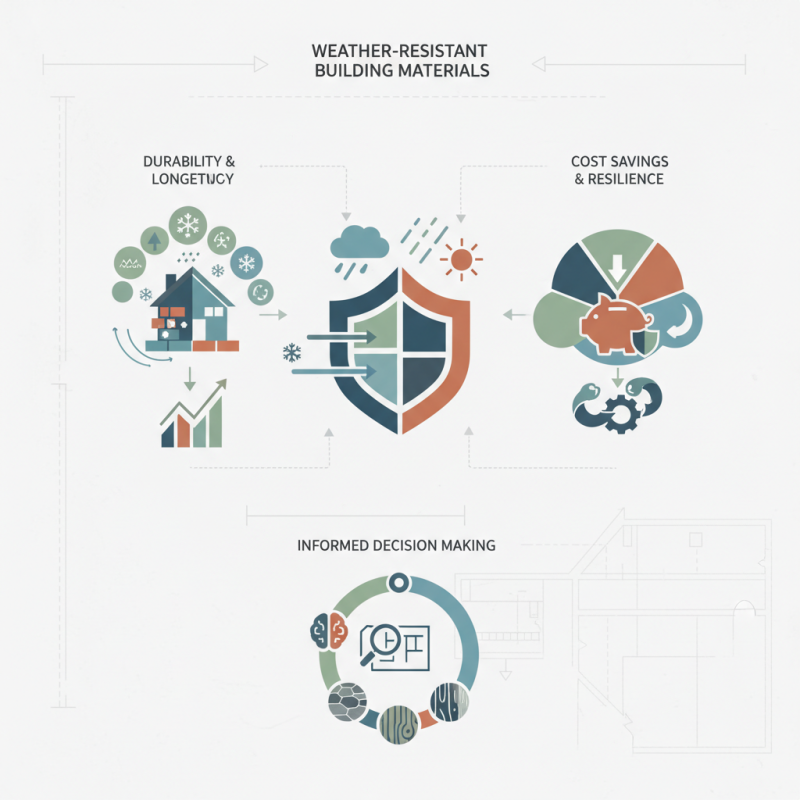
Importance of Weather Resistance in Construction Materials
Weather resistance is essential for construction materials. Projects exposed to rain, sun, and extreme temperatures require durable options. Choosing the right materials can prevent costly repairs and maintain structural integrity over time.
The environment affects buildings more than we realize. For example, wood can warp or rot in humid conditions. Concrete may crack under freeze-thaw cycles.
These failures stem from inadequate weather resistance and often lead to expensive fixes. This scenario emphasizes the need for materials that withstand the elements.
Contractors and architects must prioritize weather-resistant options. They improve longevity and reduce maintenance needs. While the initial cost might be higher, the overall savings in repairs justify the investment. Reflecting on past projects can highlight these benefits. Learning from weather-related failures makes future projects more resilient.
Types of Weather Resistant Materials and Their Applications
Selecting weather-resistant materials is crucial for ensuring the longevity and durability of various projects. Different types of materials provide unique benefits that cater to specific applications. For instance, fiberglass is widely recognized for its strength and resistance to moisture. According to a report by the American Composites Manufacturers Association, fiberglass can outperform traditional materials in environments with high humidity and exposure to water.
Concrete, treated with water repellent agents, is another popular choice. A study conducted by the International Journal of Concrete Structures and Materials revealed that treated concrete can exceed a lifespan of 50 years in harsh climates. This longevity is essential for infrastructure projects, where maintenance costs can be significant. However, improper application can compromise its protective qualities, leading to potential failures.
Metal surfaces, such as aluminum or galvanized steel, offer rust resistance, making them ideal for outdoor applications. Research indicates that these metals can sustain over two decades of exposure without significant deterioration. Yet, using inferior coatings may lead to early oxidation. Evaluating material quality is vital for optimal performance in varying environmental conditions. Each choice should consider not only the immediate benefits but also long-term consequences.
Why Choose Weather Resistant Materials for Your Projects? - Types of Weather Resistant Materials and Their Applications
| Material Type |
Properties |
Applications |
Durability |
| Steel |
Corrosion resistance, strength |
Construction, bridges, roofing |
15-30 years |
| Aluminum |
Lightweight, corrosion resistant |
Window frames, outdoor furniture |
20-40 years |
| Vinyl |
Weatherproof, low maintenance |
Siding, windows |
30-50 years |
| Concrete |
Durability, weather resistance |
Pavements, foundations |
50+ years |
| Composite Wood |
Rot resistant, low maintenance |
Decking, outdoor furniture |
20-25 years |
Benefits of Using Weather Resistant Materials in Project Durability
Weather resistant materials are essential for any construction project. They provide durability and longevity, especially in regions with extreme weather conditions. According to a report from the American Society of Civil Engineers, projects using such materials can last up to 50% longer than those that do not. This statistic highlights the value of investing in quality materials.
When exposed to rain, wind, or snow, traditional materials can degrade quickly. Weather resistant options, like treated wood or synthetic composites, resist this deterioration. A study by the National Institute of Building Sciences found that utilizing these materials significantly reduces maintenance costs. In fact, projects reported up to a 30% decrease in repairs over a decade.
Yet, it’s vital to acknowledge that not all weather resistant materials perform equally. Some may underperform in specific climates or conditions. Over time, certain coatings can wear out, necessitating replacement. This raises questions about the long-term sustainability of choices made today. Selecting the right material requires careful consideration and understanding of your local environment.
Considerations When Selecting Weather Resistant Materials
When selecting weather resistant materials, consider environmental factors. Different climates impact material performance significantly. A study by the American Society for Testing and Materials (ASTM) shows that improper material choices can reduce lifespan by up to 50%.
Durability is essential. For instance, moisture-resistant materials are crucial in areas with heavy rainfall. They help prevent mold and structural damage. According to a report from the National Association of Home Builders, moisture-related issues lead to billions in repair costs annually.
Thermal resistance also matters. Materials that can withstand temperature fluctuations reduce heat loss. The U.S. Department of Energy suggests using reflective materials to lower energy costs by up to 15%. Adapting to local climate conditions is key. However, many projects overlook these aspects, resulting in increased long-term expenditure. This highlights the need for careful planning and analysis.
Impact of Weather on Material Performance and Longevity
Weather plays a significant role in the performance and longevity of materials. Harsh conditions, such as intense sunlight, heavy rain, or freezing temperatures, can degrade materials over time. For instance, metals can corrode, while wood may warp or rot. It’s crucial to choose materials that can withstand these elements to ensure durability.
When designing a project, considering local weather patterns is vital. Regions with high humidity levels may require materials resistant to mold and mildew. Similarly, areas prone to wildfires need fire-retardant materials. Observing how different materials react to changing conditions can provide valuable insights. Small choices today impact longevity significantly.
Reflecting on past projects can reveal flaws in material choices. Maybe a low-cost option seemed appealing but failed under adverse weather. Such experiences highlight the need for better planning. A thoughtful approach to material selection can prevent costly repairs and replacements down the line. Choosing the right materials involves understanding their capabilities in various environments.
Impact of Weather on Material Performance and Longevity
FAQS
: Durability prevents structural damage and mold growth, especially in rain-heavy areas.
Consider climate impacts, moisture levels, and temperature fluctuations for better material performance.
Materials that withstand temperature changes can reduce heat loss and improve energy efficiency.
Improper choices can reduce a material's lifespan by up to 50%, leading to costly repairs.
Reviewing past experiences helps identify flaws in choices, promoting better decision-making for future projects.
Use moisture-resistant materials to combat mold and mildew issues in humid climates.
Harsh weather conditions can lead to degradation, like corrosion of metals or warping of wood.
Reflective materials can lower energy costs by up to 15% by reducing heat loss.
Thoughtful planning helps prevent expensive repairs and ensures materials suit local weather conditions.
Fire-retardant materials are essential for protection against wildfires and heat.
Conclusion
Weather-resistant materials play a crucial role in ensuring the longevity and durability of construction projects, particularly in areas subject to harsh environmental conditions. This Weather Resistant Material Selection Guide outlines the importance of these materials, detailing the various types available and their specific applications. By incorporating weather resistant materials, builders can enhance the overall durability of their projects, effectively confronting challenges posed by elements like moisture, temperature fluctuations, and UV exposure.
When selecting weather resistant materials, several factors must be considered, including material composition, environmental impact, and expected performance over time. Understanding how weather influences material longevity allows for informed decisions that can significantly affect both the cost and sustainability of construction projects. Overall, prioritizing weather resistance in material choices not only extends the lifespan of structures but also ensures greater maintenance efficiency and environmental resilience.

 PEKA Build Materials