Digital Trends in Green Building Materials for 2026?

Time:2026-05-01 Author:Oliver
0%

As we approach 2026, the landscape of Green Building Material Trends is evolving rapidly. The global green building materials market is projected to reach USD 600 billion by 2027, growing at a CAGR of 11.2% from 2022. This surge is fueled by increased awareness of environmental issues and the necessity for sustainable construction practices. Key players in the industry are now embracing innovations that blend efficiency with eco-friendliness.

Recent reports highlight advancements in materials such as recycled plastics, which have grown in use by 35% over the past five years. However, the integration of these materials still faces challenges. Questions arise about their long-term durability and performance compared to traditional options. Professionals emphasize the importance of balancing sustainability with structural integrity.

Furthermore, digital technologies are playing a pivotal role in these trends. Tools like Building Information Modeling (BIM) are making it easier to visualize and plan the use of green materials. Still, there remains a reluctance among some builders to adopt these technologies fully. The journey towards comprehensive integration of sustainable materials is complex, reflective of both interests and hesitations in the industry.
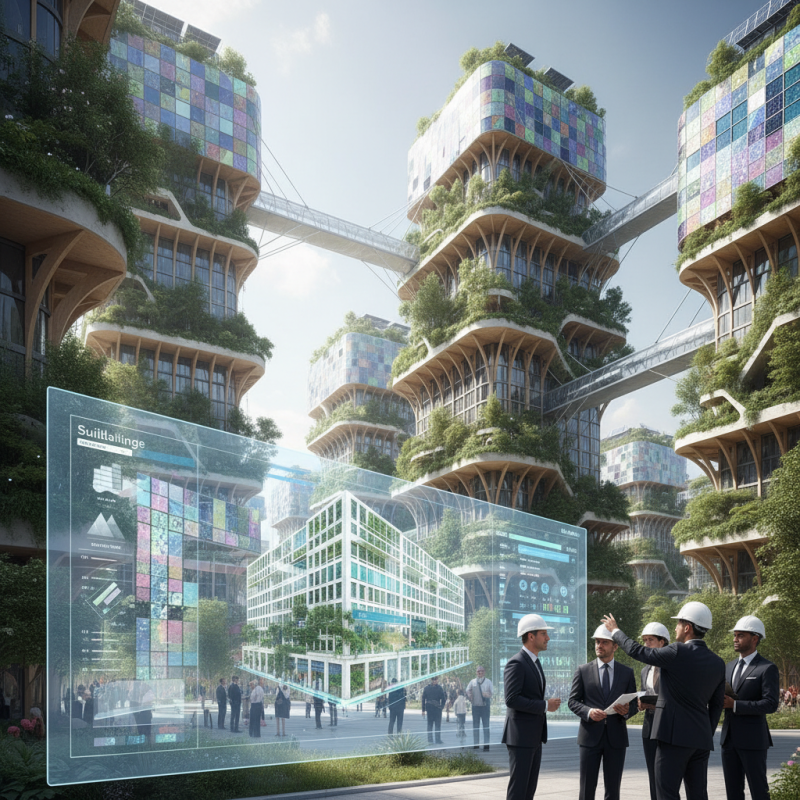
Digital Trends in Green Building Materials for 2026?

Emerging Technologies in Green Building Materials for 2026

Emerging technologies in green building materials are reshaping the industry as we approach 2026. Innovations like biomaterials are gaining traction. These materials are derived from natural sources and are designed to minimize environmental impacts. They often require less energy to produce and can be composted at the end of their life cycle. For instance, mycelium, a structure of fungi, can be used to create sustainable insulation. Such options demonstrate a path toward reducing carbon footprints.

Another noteworthy technology is the use of recycled materials. Buildings can now incorporate waste from construction and demolition. This trend not only prevents landfill overflow but also creates unique aesthetic appeals. However, the integration of these materials may pose challenges. Ensuring quality and structural integrity is essential yet complex. Testing and certification processes can be lengthy, potentially hindering widespread adoption.

Digital tools also play a role in advancing green building materials. 3D printing, for instance, enables precise material usage. Yet, the reliance on technology can sometimes limit local craftsmanship. Crafting with local materials is often overlooked. Balancing innovation with tradition is crucial for sustainable development. As the industry evolves, reflection on these dynamics will guide better practices in green building.

Innovative Materials Driven by Sustainability Trends

As we approach 2026, sustainability continues to shape the landscape of green building materials. Innovative materials are being developed and adopted to meet environmental demands. A report by the Global Green Building Council indicates that the market for sustainable building materials is projected to reach $732 billion by 2024, reflecting a 20% growth rate annually. This growth is largely driven by a need for environmental responsibility and energy efficiency in construction.

One notable trend is the rise of bio-based materials. Inputs from nature, like bamboo and mycelium, are gaining traction. These materials not only reduce carbon footprints but also offer unique aesthetics. According to a study by the International Institute of Sustainable Development, incorporating these materials can lead to a 30% reduction in greenhouse gas emissions during the lifecycle of a building. However, challenges such as scalability and cost-effectiveness remain.

Recycled materials also play a significant role. Construction waste is increasingly being repurposed into new products. This not only diverts waste from landfills but also reduces the demand for new raw materials. Yet, industry experts note that quality control can be inconsistent, which might affect building safety. The conversation around sustainable materials must include these complexities.

Digital Tools Enhancing Green Building Material Selection

The architectural landscape is shifting towards sustainability, driven by innovation in digital tools. These tools are crucial for selecting green building materials. They simplify the decision-making process for architects and builders. With user-friendly interfaces, stakeholders can easily access data about material properties and environmental impacts. This efficiency leads to more informed choices.

One key advancement is the use of AI and data analytics. These technologies analyze vast datasets to recommend materials that align with sustainability goals. While helpful, reliance on algorithms raises questions about transparency. Are we missing critical human judgment? It is important for users to critically evaluate recommendations, ensuring a balance between technology and experiential knowledge.

Virtual reality (VR) also plays a significant role in material selection. It allows for immersive experiences, enabling builders to visualize material applications in real-world scenarios. However, the accessibility of VR tools can be a hurdle for some professionals. There remains a need to bridge the gap between advanced technology and user capability. The evolution of digital tools continues to enhance green building practices, yet some challenges persist.

Digital Trends in Green Building Materials for 2026

This chart illustrates the projected growth in the adoption of various green building materials and digital tools enhancing their selection from 2023 to 2026.

Data Analytics Impact on Green Building Material Efficiency

In recent years, data analytics has transformed many industries, and green building materials are no exception. By leveraging advanced data techniques, researchers collect valuable insights into material efficiency. This analysis helps identify sustainable materials and optimize their lifecycle. More efficient materials lead to less waste and lower carbon footprints.

Data analytics reveals compelling trends. For instance, it tracks the performance of materials under various conditions. This information determines which materials are best suited for specific projects. However, reliance on data can sometimes mislead decisions. Data must be interpreted with caution. Local conditions and unique project requirements cannot be fully captured through algorithms.

Emerging technologies like AI enhance the predictive capabilities of data analysis. Predictive models can suggest alternatives based on historical data. Yet, they can also overlook innovative materials still on the market. It is essential to balance data-driven decisions with field expertise. The construction industry must remain open to new ideas and approaches while using data responsibly.

Future Challenges in Adopting Green Building Materials

In 2026, the adoption of green building materials presents significant challenges. One major hurdle is the initial cost. Although green materials often save money in the long run through energy efficiency, the upfront investment can deter many builders. A recent report from the Global Alliance for Sustainable Building indicates that 75% of construction professionals find high costs to be their primary concern when choosing sustainable materials.

Furthermore, knowledge gaps persist. Many architects and builders lack comprehensive training in green building practices. This gap leads to hesitation in adopting innovative materials. A survey showed that 60% of construction firms expressed a need for better educational resources. Addressing these knowledge barriers is critical for the industry’s growth.

Tips: Prioritize training opportunities for your team. Invest time in understanding the lifecycle benefits of green materials. Collaborate with experts who specialize in sustainability. Engage contractors early to discuss cost-saving strategies over time. Adapting to green materials doesn’t happen overnight; it requires a mindset shift towards long-term thinking.

FAQS

: What is driving the growth of sustainable building materials?

: Sustainability demands and energy efficiency are driving the growth. The market is projected to reach $732 billion by 2024.

What are bio-based materials?

Bio-based materials come from natural sources, such as bamboo and mycelium. They help reduce carbon footprints and offer unique aesthetics.

How much can incorporating bio-based materials reduce greenhouse gas emissions?

Incorporating these materials can lead to a 30% reduction in greenhouse gas emissions during a building's lifecycle.

What is the role of recycled materials in construction?

Recycled materials help divert waste from landfills and reduce the demand for new raw materials. However, quality control can be inconsistent.

How has data analytics impacted green building materials?

Data analytics helps identify sustainable materials and optimize their lifecycle. This leads to less waste and lower carbon footprints.

What caution should be taken with data-driven decisions?

Data must be interpreted carefully. Local conditions and unique project needs are not fully captured through algorithms.

What is a major challenge in adopting green building materials?

The initial cost is a significant hurdle. Many builders hesitate due to the high upfront investment, despite long-term savings.

What knowledge gaps exist in the construction industry regarding green materials?

Many architects and builders lack training in green practices, leading to hesitance. 60% of firms need better educational resources.

How can construction professionals better adopt green materials?

Professionals should prioritize training, understand lifecycle benefits, engage contractors, and shift to long-term thinking.

What mindset is needed for adopting green building practices?

Adopting green materials requires a mindset shift. It's essential to think about long-term benefits rather than short-term costs.

Conclusion

The article "Digital Trends in Green Building Materials for 2026" explores significant advancements in green building material trends driven by emerging technologies and sustainability. As we approach 2026, innovative materials that prioritize ecological balance are reshaping the construction landscape, promoting reduced carbon footprints and improved resource efficiency. Digital tools are playing a crucial role in enhancing the selection process of these materials, enabling architects and builders to make informed decisions based on real-time data.

Furthermore, data analytics is transforming the efficiency of green building materials, optimizing usage and sustainability throughout the project lifecycle. However, the transition to greener options is coupled with challenges, including cost considerations and the need for widespread industry adoption. Overall, the integration of digital innovations within green building material trends promises a more sustainable future for construction practices.

Oliver

Oliver

Oliver is a seasoned marketing professional with a wealth of expertise in driving brand awareness and engagement. With a deep understanding of our company's product offerings, he consistently delivers high-quality content that enriches our professional blog. His insights not only shed light on......