Energy Efficient Building Material Ideas for Sustainable Homes?

Time:2026-05-19 Author:Liam
0%

In today's world, sustainable living is more important than ever. A key factor in achieving this goal is the choice of building materials. Energy Efficient Building Material Ideas offer innovative solutions for constructing eco-friendly homes. These materials not only reduce energy consumption but also minimize environmental impact.

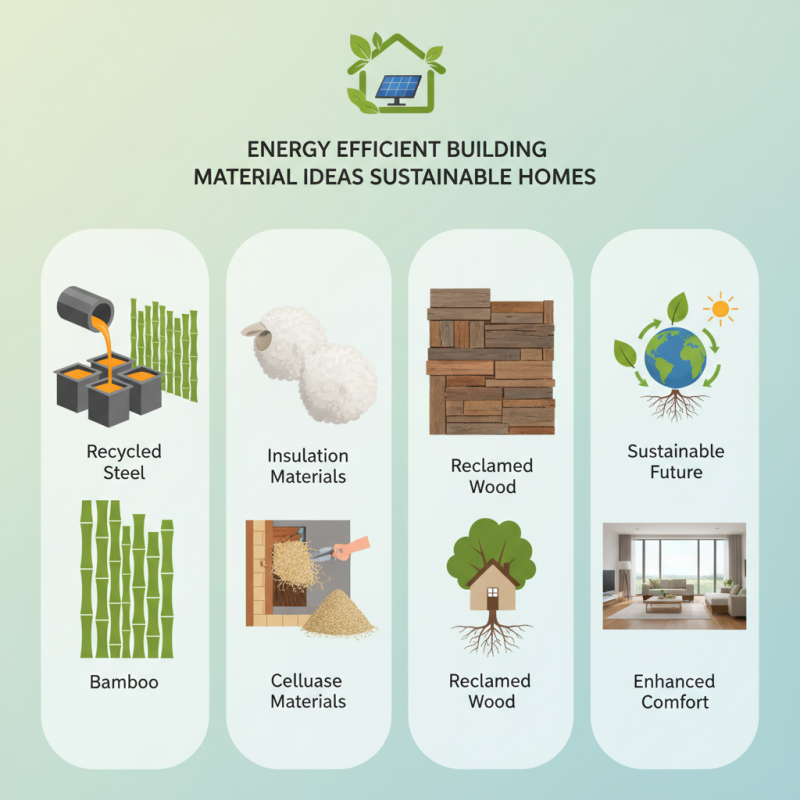
From recycled steel to bamboo, there are various options available. For instance, using reclaimed wood can give character to a home while being environmentally conscious. Moreover, insulation materials like sheep's wool and cellulose can enhance energy efficiency. However, selecting the right materials requires careful consideration of local climates and building codes.

It’s essential to balance aesthetics with sustainability. While some materials may look appealing, they might not perform well in specific conditions. Homeowners should conduct thorough research and possibly consult experts. This approach ensures a well-informed choice. Ultimately, energy-efficient building materials contribute to a sustainable future while enhancing the comfort of our living spaces.
Energy Efficient Building Material Ideas for Sustainable Homes?

Energy Efficiency in Building Materials: An Overview

Energy efficiency in building materials plays a crucial role in sustainable home design. Selecting materials that reduce energy consumption can lead to significant long-term savings. Well-insulated walls, for example, can maintain comfortable indoor temperatures, reducing reliance on heating and cooling systems. Natural materials like straw bales and rammed earth offer excellent insulation and are often locally sourced, minimizing transportation impacts.

Another aspect to consider is the lifecycle of materials. Using recycled or reclaimed resources can lower environmental footprints. These materials often tell a story, adding character to a home. However, challenges like durability and maintenance must be addressed. Building with materials that require frequent repairs can negate initial savings and increase waste.

While there are many options, knowing what works best for your climate is essential. Some materials may excel in certain regions but falter in others. Understanding local weather patterns can guide better choices. Not every option is perfect, and ongoing evaluation of material performance is crucial for true sustainability. Balancing aesthetics, function, and efficiency requires thoughtful consideration.

Types of Sustainable Building Materials

Building sustainable homes begins with selecting the right materials. Sustainable building materials not only reduce energy consumption but also minimize environmental impact. According to the Sustainable Materials Coalition, using renewable materials can decrease a building's carbon footprint significantly.

Natural materials, such as bamboo and reclaimed wood, top the list for many architects. Bamboo grows rapidly and is as strong as steel. It can absorb large amounts of CO2, making it a green choice. Reclaimed wood, on the other hand, repurposes timber from old structures. This practice conserves resources and adds unique character to new builds.

Recycled materials also contribute to sustainable construction. Concrete and metal can be reclaimed and reused, cutting down waste. A report by the Global Recycling Standards found that using recycled content in construction can reduce energy use by 20-30%. However, challenges remain, including sourcing and quality assurance of recycled materials. Ensuring these materials meet standards is crucial for safety and reliability. While the shift towards sustainable options is underway, the industry must continue addressing these complexities.

Benefits of Using Energy Efficient Materials in Homes

Using energy-efficient materials in homes offers numerous benefits for both occupants and the environment. These materials enhance thermal insulation, preserving indoor temperatures. This can significantly reduce heating and cooling costs. Homeowners often notice a decrease in their energy bills after making such upgrades. Moreover, many energy-efficient materials are made from recycled or sustainable sources, minimizing environmental impact.

Another significant advantage lies in improved indoor air quality. Materials like low-VOC paints and natural insulation help reduce harmful emissions. This creates a healthier living environment, beneficial for residents’ well-being. Many people report fewer allergies and respiratory issues after switching to these options. Though the initial investment can be higher, the long-term savings and health benefits often outweigh these costs.

Reflecting on the choices we make regarding building materials can be eye-opening. Not all energy-efficient materials are created equal. Some may not perform as well as advertised. It's crucial to research and verify claims, as some products may lack proper certifications. Homeowners should consult professionals to ensure they select the best options for their specific needs.

Energy Efficient Building Material Ideas for Sustainable Homes

Material Type Benefits Energy Savings (%) Lifespan (Years)
Recycled Steel Durable, lightweight, resistant to pests 30% 50+
Bamboo Rapidly renewable, strong, lightweight 20% 20-30
Insulated Concrete Forms (ICFs) Excellent insulation, soundproofing 40% 100+
Reclaimed Wood Sustainable, unique aesthetics 15% 40+
High-Efficiency Windows Reduces heat loss, UV protection 25% 20+

Innovative Technologies in Sustainable Building Materials

Innovative technologies are transforming sustainable building materials. The construction industry contributes nearly 40% of global carbon emissions. A shift towards energy-efficient materials can significantly combat this issue. For instance, the use of insulating concrete forms (ICFs) provides high thermal resistance. Reports show that ICFs can reduce energy use by 30-50% compared to traditional building methods.

Another emerging material is cross-laminated timber (CLT). This renewable resource offers a lower carbon footprint than concrete and steel. CLT can sequester carbon during its lifecycle. According to the Forest Products Laboratory, using CLT instead of steel may lead to a 25% reduction in associated emissions. However, it requires proper sourcing to ensure sustainability and avoid deforestation concerns.

Recycled materials are also gaining traction. Incorporating glass, metal, and plastics can create robust structures while minimizing waste. Studies indicate that using recycled content in construction can reduce energy consumption by up to 60%. Despite the clear benefits, challenges remain in the consistency and availability of these materials. It’s essential to address these factors for wider adoption in the industry.

Energy Efficient Building Materials Usage in Sustainable Homes

Best Practices for Implementing Energy Efficient Materials in Construction

When considering energy-efficient materials for sustainable homes, it's vital to adopt best practices in construction. Start with insulation. Proper insulation reduces energy consumption significantly. According to a report by the U.S. Department of Energy, effective insulation can cut heating and cooling costs by up to 30%. This underlines the importance of selecting high-quality, eco-friendly insulative materials.

Focus also on natural materials like bamboo and recycled steel. Bamboo grows rapidly and can reduce carbon footprints during construction. Recycled steel saves energy compared to new steel production. Research indicates that using recycled materials can minimize waste by up to 90%. However, sourcing these materials can sometimes be challenging. Local availability might be limited, driving costs up unexpectedly.

Regular training and collaboration with skilled contractors play a crucial role. Many builders are not familiar with newer sustainable materials. A survey from the National Association of Home Builders found that 45% of builders believe lack of knowledge is a barrier. Continuous education helps teams implement energy-efficient designs effectively. Engaging expert consultants can bridge the gap and ensure the latest practices are utilized.

FAQS

: Why is energy efficiency important in building materials?

: Energy efficiency reduces long-term energy consumption and costs. Well-insulated walls maintain comfortable indoor temperatures.

What are examples of natural building materials that enhance energy efficiency?

Straw bales and rammed earth provide excellent insulation. They are often locally sourced, minimizing transportation effects.

How do recycled materials impact building sustainability?

Recycled materials lower environmental footprints. They can tell a story and add character to a home, if used wisely.

What challenges do recycled materials present?

Durability and maintenance can offset initial savings. Frequent repairs may increase waste and negate benefits.

How does local climate affect material choices?

Some materials work well in specific climates. Understanding local weather patterns helps in making better material selections.

What is the role of renewable materials in building construction?

Renewable materials, like bamboo, significantly reduce carbon footprints. Bamboo grows quickly and absorbs substantial CO2.

Can using reclaimed wood be beneficial?

Yes, it conserves resources and adds unique character. However, sourcing can be tricky and requires careful quality checks.

Are there any drawbacks to using sustainable materials?

Not every option is perfect. Ongoing evaluation and balance of aesthetics, function, and efficiency are necessary.

How much can recycled content reduce energy use?

Using recycled materials can cut energy use by 20-30%. However, quality assurance remains a crucial challenge.

What should homeowners consider when selecting materials?

Consider durability, maintenance needs, and local climate impacts. Challenge yourself to think beyond initial aesthetics and costs.

Conclusion

The article "Energy Efficient Building Material Ideas for Sustainable Homes" provides a comprehensive overview of the importance of energy efficiency in construction materials. It begins by discussing various types of sustainable building materials, highlighting their role in reducing energy consumption and enhancing the environmental performance of homes. The benefits of using energy-efficient materials include lower utility bills, improved indoor comfort, and a reduced carbon footprint.

Innovative technologies are also explored, showcasing advancements that further enhance material efficiency. Furthermore, the article outlines best practices for implementing these energy-efficient building material ideas in construction projects, ensuring that homeowners and builders can effectively incorporate sustainable solutions into their designs. By adopting these practices, the construction industry can move towards more sustainable and energy-efficient homes.

Liam

Liam

Liam is a dedicated marketing professional with a profound expertise in the industry, where he excels at highlighting the unique advantages of our core products. With a keen understanding of market trends and consumer needs, Liam frequently updates our company’s professional blog, providing......