Sustainable construction is rapidly gaining attention. It addresses environmental concerns by minimizing waste and reducing resource usage. One effective way to achieve sustainability is through Recyclable Building Material Options. These materials are essential for eco-friendly building practices.
Using recyclable materials is not just good for the planet; it also enhances the aesthetic quality of structures. Materials such as reclaimed wood, recycled metal, and glass can create unique designs. These options encourage innovation in architectural practices. However, not all recyclable materials are created equal. Understanding the sourcing and processing of these materials is vital. Not every option may meet the necessary structural standards or environmental regulations.
Investing in recyclable building materials can pose challenges. For instance, there may be limitations on availability and higher upfront costs. Nonetheless, the long-term benefits often outweigh these initial hurdles. By embracing these materials, the construction industry can lead the way toward a more sustainable future. This shift could redefine building practices and drive positive change in urban development and architecture.
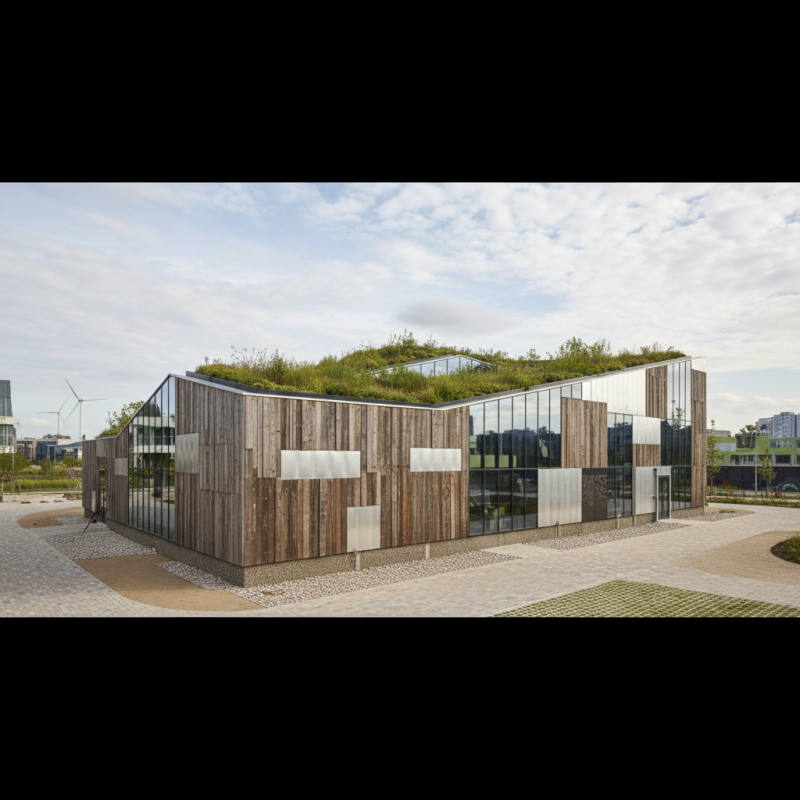
Top Recyclable Building Material Options for Sustainable Construction
In the realm of sustainable construction, selecting recyclable materials is crucial. Research by the World Green Building Council highlights that buildings account for nearly 39% of global carbon emissions. Utilizing recyclable materials can significantly reduce this footprint. Options such as reclaimed wood, recycled steel, and reclaimed bricks not only lessen waste but also contribute to a circular economy.
Reclaimed wood offers a unique aesthetic. It adds character to structures while minimizing deforestation. Recycled steel is strong and durable. It can be reused multiple times without compromising its integrity. Reclaimed bricks are also excellent for sustainability. They require less energy to produce than new bricks. However, sourcing these materials can sometimes present challenges. It’s essential to verify their quality and ensure they meet safety standards.
Tip: When choosing materials, assess local availability. This can reduce transportation emissions and support local economies.
Understanding material origins is crucial. Some recyclable sources may be contaminated or treated with harmful chemicals, posing risks to health and the environment. Regular audits and certifications can ensure compliance with sustainability standards.
Tip: Consider life-cycle analysis before making a decision. It provides insights into long-term impacts and costs associated with materials. Through careful selection, we can build a sustainable future.
Benefits of Using Recyclable Materials in Construction Projects
Recyclable materials are gaining traction in sustainable construction. Using materials like reclaimed wood, recycled steel, and eco-friendly concrete significantly reduces environmental impact. This shift not only lowers waste but also promotes the circular economy. For example, according to recent studies, using recycled steel can reduce carbon emissions by up to 75%.
One significant benefit of these materials is their potential to save costs. Though initial prices may appear higher, life-cycle costs often show savings. Labor and disposal expenses decrease, making projects more feasible. However, there are challenges in sourcing high-quality recycled materials. Variability in supply can lead to inconsistent results, requiring careful planning and a skilled workforce.
Sustainable construction projects also face hurdles in acceptance. Many stakeholders are still unfamiliar with advanced recyclable options. Education becomes vital to bridge this gap. Furthermore, adherence to building codes may complicate the use of innovative materials. A collaborative approach among architects, builders, and suppliers can help address these challenges effectively.
Popular Recyclable Building Materials: Glass, Metal, and Concrete
In the realm of sustainable construction, recyclable materials play a crucial role. Glass, metal, and concrete are among the most popular options. These materials not only reduce waste but also offer durable solutions for modern buildings. According to the U.S. Environmental Protection Agency, construction and demolition activities account for around 25-30% of the total waste stream. Using recyclable materials can significantly mitigate this impact.
Glass is a value-added material. It can be recycled numerous times without losing quality. Reports indicate that recycling glass can save over 1,000 pounds of natural resources per ton of glass. Metal, including steel and aluminum, is another key player. Recycling metal can save 95% of the energy required for primary production. This embodies a significant step toward reducing the carbon footprint. Concrete recycling is also vital. It can divert 140 million tons of concrete waste from landfills annually.
Despite these benefits, challenges remain. Not all glass or metal can be recycled efficiently, leading to some waste. The recycling process itself can be energy-intensive. Additionally, there is a need for better systems to sort and process these materials. Transitioning to recyclable building materials is promising, but it requires collective effort and innovation. The future of sustainable construction depends on addressing these hurdles.
Top Recyclable Building Material Options for Sustainable Construction
| Material |
Recycling Rate (%) |
Benefits |
Typical Uses |
| Glass |
90 |
Durable, non-toxic, and recyclable indefinitely |
Windows, facades, and interior design |
| Metal |
75 |
High strength-to-weight ratio, reusable, and cost-effective |
Structural frames, roofing, and cladding |
| Concrete |
30 |
Strong, fire-resistant, and versatile |
Foundations, walls, and pavements |
| Wood |
60 |
Renewable, biodegradable, and aesthetic appeal |
Framing, flooring, and furniture |
Innovative Techniques for Recycling Construction Materials
Innovative techniques for recycling construction materials are gaining traction in the sustainable construction industry. One prominent method includes deconstructing buildings instead of demolishing them. This approach allows valuable materials like timber, bricks, and metals to be salvaged and reused. Each piece recovered carries both structural integrity and history, offering unique aesthetics for new projects.
Another technique involves the recycling of concrete. Crushed concrete can serve as aggregate for new concrete mixes, reducing waste and the need for virgin materials. This process requires careful quality control to ensure the resulting material meets safety standards. Additionally, using recycled plastic for insulation and wall panels is becoming common. This helps divert plastic waste from landfills while providing energy-efficient solutions.
Despite these advancements, challenges remain. The inconsistency in recycled materials can affect building quality. Not all recycled materials are suitable for every application. There is also a lack of standardized guidelines across the industry. As we push for more sustainable practices, addressing these issues is vital for the future of construction. Integrating innovation and eco-consciousness is not just a trend; it’s essential.
Top Recyclable Building Materials for Sustainable Construction
Challenges and Solutions in Sustainable Construction Practices
Sustainable construction practices face numerous challenges. One significant issue is the limited availability of recycled materials. Many construction professionals struggle to find high-quality recycling options. Often, materials like reclaimed wood or recycled steel are not as accessible as traditional options. This can lead to higher costs and lengthy project timelines.
Another challenge is the lack of awareness among builders and consumers. Many still favor conventional materials due to familiarity. Educating stakeholders about the benefits of recyclable materials is crucial. This includes emphasizing their durability and environmental impact. Awareness campaigns can help shift perceptions.
Tips: Consider using local recycled materials. This reduces transportation costs and emissions. Collaborate with recycling companies to ensure a steady supply. Engage in regular training about sustainable practices for your team. Building a knowledgeable workforce can drive change in the industry.
Additionally, regulatory hurdles can complicate sustainable efforts. Local regulations may not always support innovative materials. Advocacy for updated policies can pave the way for sustainable practices. Networking with industry professionals can also provide valuable insights. Sharing experiences can help find practical solutions to common issues faced in the field.
Conclusion
The article explores various "Recyclable Building Material Options" that contribute to sustainable construction practices. It highlights the numerous benefits of utilizing recyclable materials, such as reducing waste, conserving resources, and promoting a circular economy. Popular materials like glass, metal, and concrete are discussed for their viability and effectiveness in construction projects.
Additionally, the article delves into innovative techniques for recycling these materials, showcasing advancements that enhance their usability in newer constructions. However, challenges such as material quality and integration into existing frameworks are also acknowledged. Solutions to these challenges demonstrate a path forward for the industry, emphasizing the importance of adopting recyclable building materials in achieving sustainability goals in construction.

 PEKA Build Materials