In today's industrial landscape, the significance of selecting the right Anti Corrosion Material Options cannot be overstated. The global anti-corrosion coatings market is projected to reach USD 32 billion by 2028, driven by rising infrastructure demands. Corrosion, responsible for annual costs exceeding USD 2.5 trillion globally, impacts safety and efficiency across various sectors.
The choice of anti-corrosion materials often reflects a company's commitment to quality and long-term durability. Polyurethane and epoxy coatings dominate the market due to their robust protective properties. However, choosing the optimal material involves evaluating specific environmental conditions and application methods. A recent study revealed that nearly 30% of procurement professionals faced issues with corrosion-related failures.
While many materials offer enticing benefits, there's no one-size-fits-all solution. Each option requires thorough assessment to ensure it meets project requirements and regulatory standards. By recognizing the complexities involved, procurement teams can enhance their decision-making process, ensuring better material selection. Ultimately, a strategic approach to Anti Corrosion Material Options can lead to improved asset longevity and reduced maintenance costs.
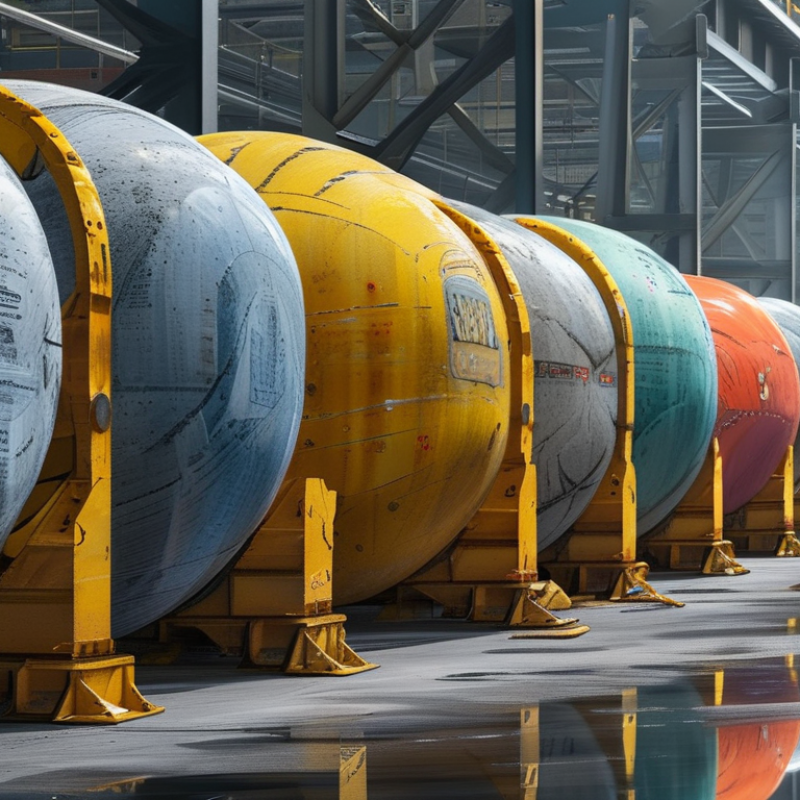
When considering anti-corrosion materials for procurement, it’s crucial to recognize the diverse options available. Materials like epoxy coatings and galvanization are common choices. They help protect metal surfaces from corrosive environments. These options, however, vary in effectiveness depending on the specific application and environmental conditions. Factors such as humidity, temperature, and exposure to chemicals can influence performance.
Understanding the characteristics of each material is essential. For example, epoxy coatings form a strong barrier against moisture and chemicals but may require a specific application process. On the other hand, galvanization offers a physical layer of protection that can wear down over time, necessitating regular maintenance. Regular evaluation of the procurement needs is vital to ensure the selected materials hold up under real-world conditions.
There is no one-size-fits-all solution. Each project may present unique challenges that influence material choice. Reflecting on previous experiences can offer insights into what works and what doesn’t. Collaborating with experts is beneficial, ensuring decisions are informed and based on reliable data. Ultimately, a thoughtful approach to material selection can lead to more reliable outcomes in anti-corrosion efforts.
| Material Type | Advantages | Typical Applications | Estimated Cost (per kg) |
|---|---|---|---|
| Epoxy Coatings | High adhesion, chemical resistance, long-lasting | Industrial equipment, pipelines, marine environments | $10 - $20 |
| Polyurethane Coatings | Flexible, UV resistant, durable | Automotive finishes, construction materials | $15 - $30 |
| Galvanization | Cost-effective, long lifespan, simple application | Steel structures, outdoor furniture, automotive parts | $5 - $15 |
| Anodizing | Wear resistant, enhances aesthetic qualities | Aluminum parts, electronics casings | $20 - $40 |
| Rust Preventive Oils | Easy application, prevents moisture buildup | Metal parts, equipment storage | $5 - $10 |
: Anti-corrosion materials prevent rust and degradation, extending the lifespan of equipment and structures. They are essential across industries.
Corrosion costs U.S. industries over $300 billion each year. Choosing the right materials helps mitigate these financial losses.
Common types include coatings like epoxy, alloys like stainless steel, and corrosion inhibitors. Each has unique anti-corrosion properties.
Coatings, such as epoxy, provide strong protection against moisture. They can reduce corrosion rates significantly, sometimes by up to 90%.
Consider environmental conditions, material durability, and compatibility with existing systems. Testing in small applications is advisable.
Mismatched materials can lead to unexpected reactions. This compromises integrity and can result in costly repairs over time.
Conduct thorough materials reviews, train staff, and establish regular inspections. Documentation is vital for analyzing past failures.
Understanding corrosion implications boosts effectiveness. Trained staff can identify issues early and implement solutions proactively.
Open communication allows teams to share knowledge. It helps identify weaknesses and encourages collaborative problem-solving.
Conducting research and reviewing case studies informs better material choices. Learning from past experiences supports long-term success.
In the procurement of materials, selecting the right Anti Corrosion Material Options is crucial for ensuring longevity and reliability. This article provides an overview of various anti-corrosion materials, detailing their properties and applications. It categorizes the materials into different types, emphasizing their strengths and limitations. When choosing these materials, several factors must be considered, including environmental conditions and specific use cases.
Additionally, a comprehensive cost analysis highlights the financial implications of different anti-corrosion options, enabling informed decision-making. Best practices for implementing anti-corrosion solutions are also discussed, providing actionable insights for procurement professionals. By understanding these aspects, organizations can effectively enhance their asset management and protect against corrosion-related damages.

 PEKA Build Materials