In today's world, understanding fire-resistant materials is crucial for safety and performance. This Fire Resistant Material Guide will explore essential substances that enhance fire safety in various applications. With fire incidents on the rise, knowing how to choose the right materials can save lives and properties.
Fire-resistant materials are designed to withstand high temperatures. They play a vital role in construction, manufacturing, and personal safety. Experts agree that using these materials is not just a recommendation but a necessity. Each material has unique properties that make it suitable for specific situations.
While we can list the top ten materials, it's important to reflect on their limitations. Not all fire-resistant materials offer the same level of protection. Some may degrade over time, losing their effectiveness. Understanding these nuances will help you make informed decisions. With the right knowledge, you can better safeguard against fire hazards.
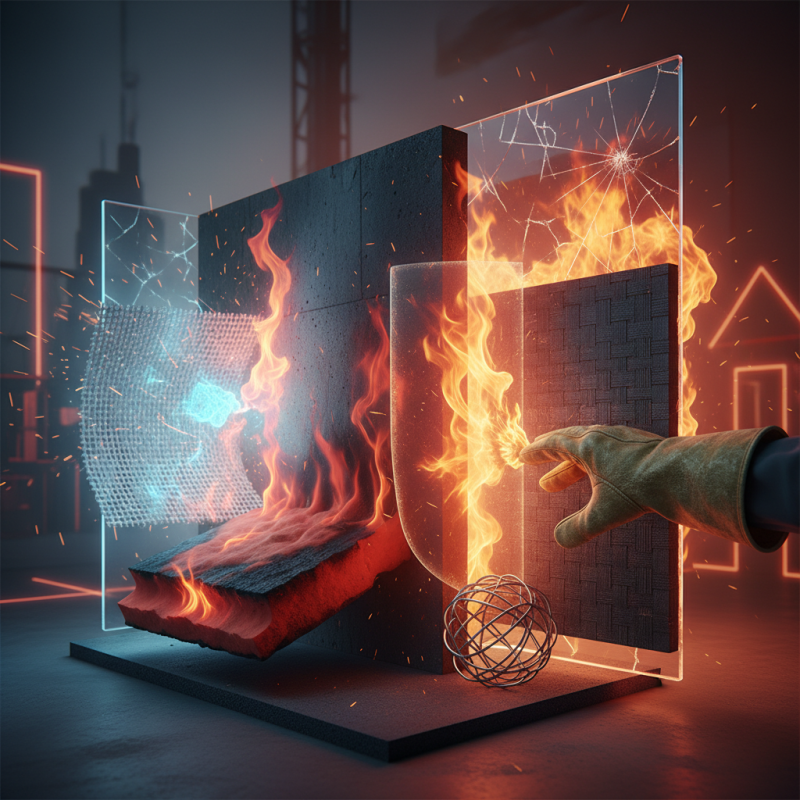
Fire-resistant materials play a critical role in enhancing safety across various industries. According to a report by the National Fire Protection Association, structural fires account for nearly 30% of all reported fires. This underscores the need for materials that can withstand extreme heat. Fire-resistant materials are designed to slow the spread of flames and reduce smoke production. This quality is essential in construction, especially for high-rise buildings and public spaces.
Understanding the types of fire-resistant materials can enhance safety measures. For instance, concrete and brick are known for their excellent fire resistance. They can endure high temperatures without losing integrity. Similarly, fire-rated glass serves dual purposes: aesthetics and safety. It can withstand intense heat while maintaining clarity. Recent studies indicate that using these materials can reduce fire damage by up to 50%.
Choosing the right fire-resistant materials is not solely about compliance. It requires a combination of research, experience, and a keen understanding of the environment in which they will be used. One challenge is the variability in performance based on installation and environment. While some materials claim fire resistance, their efficiency can differ under specific conditions. Awareness of these differences is crucial for effective safety planning.
Fire resistance in materials is crucial for safety and structural integrity. Understanding the properties that enhance this feature is essential for construction and design. Certain materials exhibit specific characteristics that help them withstand high temperatures. For instance, materials like concrete and brick resist flames due to their mineral composition. These inorganic substances do not burn easily, providing a barrier against fire spread.
The thermal stability of a material plays a vital role. Metals, like steel, retain strength until a point but can weaken under extreme heat. On the other hand, certain treated woods can delay combustion. Interestingly, not all materials perform consistently; factors like thickness and finish impact their resistance. Knowledge of such nuances is vital for builders. Additionally, some coatings can enhance the fire-resistant properties of ordinary materials.
Choosing the right fire-resistant materials requires careful consideration. Testing methods often reveal discrepancies between material claims and real-world performance. Awareness of these variations pushes professionals to seek reliable information. Continuous research and innovation show promise for developing better fire-resistant solutions. Understanding these properties not only enhances safety but also supports sustainable building practices.
Fire resistance is crucial in construction to ensure safety. Certain materials play vital roles in safeguarding structures. Among these, concrete stands out. Its dense composition helps resist flames and heat. Many buildings utilize concrete in walls and floors. This choice significantly enhances fire safety.
Another key material is steel. When protected with fire-resistant coatings, steel retains its strength during fires. Gypsum boards also offer excellent fire resistance. They are often layered in walls for added protection. Their unique composition helps reduce heat transfer. This is essential in high-rise structures.
Moreover, mineral wool insulation provides effective thermal resistance. It does not burn and can withstand high temperatures. However, while these materials offer benefits, their use requires careful planning. Not every material is suitable for all structures. Ensuring proper installation is essential for maximum effectiveness. Choosing the right products, and understanding their limitations, is crucial. This highlights the need for informed decision-making in construction projects.
Fire resistant materials play a vital role in various industries. In construction, they ensure building safety. Materials like mineral wool and fire-resistant glass are commonly used. They help in protecting structures from flames and heat. Aerospace engineers rely on these materials for airplanes. Lightweight, fireproof components are essential for passenger safety.
In the automotive industry, fire resistant materials are crucial. They are used in insulation, wiring, and interior components. These materials can withstand high temperatures. This reduces the risk of fires during accidents. In the manufacturing sector, fireproof coatings protect machinery. These coatings shield equipment from heat and sparks.
Tip: When choosing fire resistant materials, consider the specific environment. Some materials perform better under certain conditions.
Some industries may struggle with fire safety compliance. Companies need to prioritize rigorous testing. Regular inspections can also help identify potential risks.
Tip: Always stay updated with fire safety guidelines. Knowledge of current regulations can prevent costly violations.
Fire resistant materials are essential. Their applications vary across sectors. Yet, constant innovation is necessary to enhance their effectiveness.
Advancements in fire resistance technology are shaping the future. Emerging materials are being designed to withstand extreme temperatures and protect structures effectively. A recent report by the National Fire Protection Association highlighted that innovative materials can reduce fire spread by over 60%. This statistic underlines the importance of investing in new technology.
One notable trend is the development of intumescent coatings. These coatings expand when exposed to heat, forming an insulating layer that protects the underlying material. Experts project that the market for these coatings will grow at a CAGR of 8% through 2028. The shift towards sustainable materials is also evident. Biodegradable fire retardants are gaining traction, addressing both fire safety and environmental concerns.
While these advancements are promising, challenges remain. Many materials still struggle with high costs and varying performance in different climates. Research is ongoing to overcome these barriers. The industry must focus on creating reliable, cost-effective solutions that meet safety standards. As technology evolves, the balance between innovation and practicality will be essential for widespread adoption.
This chart illustrates the thermal resistance (in °C) of various fire-resistant materials commonly used in construction and textile industries. Understanding these materials is crucial for enhancing fire safety in buildings and products.
: Fire resistant materials help prevent or slow down the spread of fire, ensuring safety in various structures.
Concrete's dense composition makes it effective at resisting flames and high temperatures, commonly used in walls and floors.
When coated with fire-resistant materials, steel can retain its strength, reducing risks in construction projects.
Mineral wool insulation provides excellent thermal resistance and does not burn, making it suitable for high-temperature environments.
In aerospace, lightweight, fireproof components ensure passenger safety by withstanding high temperatures during flights.
Some companies struggle to meet safety guidelines, emphasizing the need for regular inspections and robust testing.
Intumescent coatings expand under heat, creating an insulating barrier that protects the surface beneath them.
Advances in materials can significantly reduce fire spread, but challenges like cost and climate performance remain.
Companies need to evaluate specific environmental conditions to choose the most effective fire resistant materials.
The market for innovative solutions like intumescent coatings is projected to grow due to increased safety demands.
The "Fire Resistant Material Guide" provides a comprehensive overview of the crucial role that fire-resistant materials play in ensuring safety and structural integrity in various applications. These materials are engineered with specific properties that enhance their resistance to heat and flames, making them indispensable in construction and other industries. The guide highlights the top ten fire-resistant materials commonly used, detailing their unique characteristics and benefits.
In addition to discussing the applications of these materials across different sectors, the guide explores future trends in fire resistance technology, emphasizing the ongoing innovations aimed at improving safety standards. By understanding the properties and applications of fire-resistant materials, individuals and industries can make informed decisions to better protect lives and assets from fire hazards.

PEKA Build Materials