In recent years, China has witnessed significant changes in the industrial construction sector. These changes are closely linked to evolving Industrial Construction Material Trends. As the nation adapts to growing demands, new materials are emerging. Innovations aim to enhance efficiency and sustainability.
The market now sees a rise in eco-friendly options. Manufacturers explore alternatives that reduce environmental impact. This shift challenges traditional practices but offers exciting prospects. Yet, the transition is not without its hurdles. Companies must invest time and resources in adopting these new materials, which can be a daunting task.
Understanding these Industrial Construction Material Trends is crucial for industry stakeholders. It allows for informed decision-making and strategic planning. As we explore the leading trends, we will highlight key developments shaping the future of industrial construction in China. The insights provided will shed light on both achievements and areas for improvement.
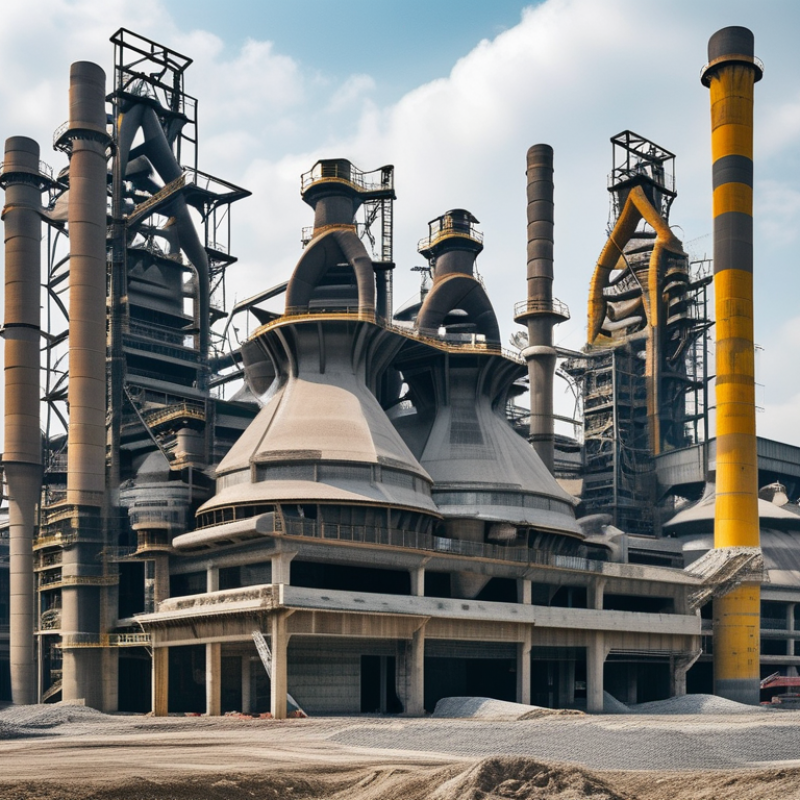
The industrial construction sector in China is experiencing a significant shift towards sustainable materials. New eco-friendly options are gaining traction as companies aim to reduce their carbon footprint. Bamboo, for instance, is emerging as a popular choice due to its strength and rapid growth rate. It can be used for scaffolding and structural elements, making it a versatile replacement for traditional timber.
Recycled materials are also making waves. Innovations in reusing industrial waste help lower the demand for new raw materials. For example, concrete made from recycled aggregates is becoming widely used. This approach minimizes landfill waste and promotes a circular economy. However, there are challenges in quality control and consistency that still need addressing.
Adoption of these materials isn't uniform across the industry. Many companies face resistance due to the perceived initial costs and concerns over durability. Awareness and education are crucial in overcoming these hurdles. As the market evolves, the balance between innovation and practical application remains a topic of ongoing reflection for stakeholders in the construction sector.
Advancements in prefabrication techniques are shaping the future of industrial construction in China. These methods allow for faster project completion and higher precision in building components. Factories can now produce standardized modules, which are transported to the site for assembly. This reduces on-site labor and time significantly. The shift to prefabrication also enhances quality control, as components are built in a controlled environment.
However, challenges exist. Integrating prefabricated elements with traditional construction poses difficulties. There are concerns about customization limits, which can affect design flexibility. Additionally, the transportation of large modules may require specialized logistics, leading to increased costs. Some industry experts argue that more research is needed to optimize these processes further.
Despite these issues, the trend towards prefabrication can improve sustainability. By reducing materials waste, it contributes to greener construction practices. Building information modeling (BIM) helps in planning and executing these prefabricated projects. Yet, the industry must refine its approaches to maximize benefits while addressing existing limitations. Innovations in training and technology can pave the way for more effective use of these techniques in the future.
Smart materials are revolutionizing the construction industry in China. These materials adapt to environmental changes, enhancing the efficiency of construction processes. According to a report from the China Construction Industry Association, smart materials can reduce construction time by up to 30%. This is remarkable, given the current demand for rapid urbanization and infrastructure development in the country.
One of the notable applications is in self-healing materials. These can automatically repair cracks, extending the lifespan of structures. A study published in the Journal of Structural Engineering found that using such materials can lead to savings of up to 25% on maintenance costs. However, the adoption of smart materials is still uneven across the industry. Many traditional contractors remain skeptical about their effectiveness and cost implications.
Another key trend is the use of thermal-responsive materials. These can regulate temperature and improve energy efficiency in buildings. However, implementation requires careful planning and coordination among stakeholders. Miscommunication often leads to project delays. Despite these challenges, the potential benefits are too significant to ignore. Embracing smart materials could significantly reshape the construction landscape in China.
| Material Type | Trend Description | Impact on Efficiency | Sustainability Rating |
|---|---|---|---|
| Smart Concrete | Concrete embedded with sensors for real-time monitoring | Improves structural integrity and reduces maintenance costs | High |
| 3D Printed Materials | Use of 3D printing technologies for construction components | Reduces waste and accelerates construction time | Medium |
| Eco-friendly Insulation | Natural materials for thermal and acoustic insulation | Enhances energy efficiency and comfort | High |
| Recycled Steel | Utilization of recycled steel for framing and structures | Higher strength with lower carbon footprint | Very High |
| Cross-Laminated Timber (CLT) | Prefabricated wood panels for quick assembly | Lightweight and reduces construction time | High |
| Nanomaterials | Materials engineered at the molecular level for enhanced properties | Increases durability and resistance to environmental factors | Medium |
| Smart Glass | Windows that adjust transparency based on sunlight | Reduces energy consumption for heating and cooling | High |
| Green Roof Systems | Ecosystem on rooftops for building insulation and biodiversity | Improves air quality and reduces urban heat | Very High |
| Self-Healing Materials | Materials that can repair themselves when damaged | Increases lifespan and reduces maintenance needs | Medium |
| Modular Construction Systems | Prefabricated modules for faster assembly | Significantly reduces construction time and costs | High |
In recent years, the demand for recycled and eco-friendly construction materials in China has grown significantly. This shift reflects a broader awareness of environmental issues. Many builders now prioritize sustainability in their projects. This trend includes using materials like reclaimed wood, recycled metal, and green concrete. Each choice contributes to reducing the ecological footprint.
Tips: Consider sourcing local materials. This practice not only cuts down on transportation emissions but supports local economies. Look for certified recycled materials to ensure quality and sustainability. The challenge remains in verifying the sources of these materials. Trustworthy suppliers can sometimes be hard to find.
The push for eco-friendly options often comes with obstacles. Some recycled materials may not meet specific performance standards required for industrial use. Builders must balance sustainability with safety and durability. Regular testing is essential to ensure these materials perform as expected under different conditions. Understanding both the benefits and limitations can lead to better project outcomes.
Regulatory changes in China significantly influence the selection of construction materials. As environmental standards tighten, builders are compelled to consider sustainable options. This shift impacts everything from concrete to steel. Materials with lower carbon footprints are becoming the preferred choice. Builders need to adapt quickly to remain competitive.
Tips: Focus on sourcing locally. It reduces transportation emissions and supports the local economy.
Moreover, the introduction of strict safety regulations forces companies to rethink their material choices. Compliance is no longer optional; it’s essential. This has led to innovations in lightweight materials that maintain strength while reducing costs. However, the shift may sometimes compromise speed in construction timelines.
Tips: Always consult with material experts before making decisions. Their insights can save time and costs in the long run.
Adapting to these regulatory changes requires ongoing education for industry professionals. Keeping abreast of the latest guidelines is crucial. As the industry evolves, so too should material strategies. Emphasizing quality over cost will yield long-term benefits.
: Prefabrication allows for faster project completion and higher precision in building components. It reduces on-site labor significantly.
Integrating prefabricated elements can be difficult, especially regarding customization limits and design flexibility.
Prefabrication reduces material waste and supports greener construction practices, which is crucial for environmental conservation.
Smart materials adapt to environmental changes, enhancing process efficiency. They can reduce construction time by up to 30%.
Self-healing materials automatically repair cracks, potentially saving up to 25% on maintenance costs.
Many traditional contractors are skeptical about the effectiveness and cost implications of smart materials.
Builders prioritize recycled materials like reclaimed wood, recycled metal, and green concrete to reduce ecological footprints.
Consider sourcing local materials to cut transportation emissions and support local economies, enhancing sustainability.
Some recycled materials may not meet performance standards required for industrial use, which can affect safety.
Testing ensures that materials perform as expected under different conditions, balancing sustainability with safety and durability.
The "Industrial Construction Material Trends" in China reflect a significant shift towards sustainability and efficiency in the sector. Emerging sustainable materials are gaining traction, driven by a growing environmental consciousness and the need for eco-friendly practices. Alongside this, advancements in prefabrication techniques are streamlining construction processes, reducing waste, and enhancing the overall quality of industrial projects.
Moreover, the integration of smart materials is playing a crucial role in improving construction efficiency by enabling responsive and adaptive structures. The trend towards recycled and eco-friendly construction materials is also notable, as industries seek to minimize their carbon footprint. Finally, regulatory changes are influencing material selection, pushing for stricter adherence to sustainability standards while promoting innovation within the construction industry. Overall, these trends signify a transformative era in China’s industrial construction landscape, focused on sustainable development and technological advancement.

PEKA Build Materials