
The global market for cement products, precast concrete structures, and complementary structural building materials is undergoing a paradigm shift driven by urban transformation, industrial decarbonization, and stringent energy performance regulations. As infrastructure developers across North America, Europe, and the Asia-Pacific region accelerate green building adoption (LEED v4.1, BREEAM), the demand for high-strength, durable, and low-carbon cementitious assemblies has reached an unprecedented peak.
Information Gain Insights: Modern architectural engineering no longer evaluates cement products in isolation. Today's commercial developments demand holistic envelope systems where precast cementitious cores seamlessly interface with high-grade metal cladding (such as PEKA aluminum curtain walls), thermal insulation barriers (Glass Wool, TPO), and high-durability composite materials to optimize lifecycle costs and thermal envelope efficiency.
To assist procurement directors, structural engineers, and architectural specifiers, this whitepaper evaluates the Top 10 Cement Products Manufacturers & Factories worldwide. We examine their manufacturing capacities, material science innovations, quality management benchmarks, and structural synergies with auxiliary building facade solutions.
Core Focus: EcoPact Low-Carbon Concrete, Susteno Circular Cement, Ultra-High-Performance Concrete (UHPC).
Capabilities: Operating in over 70 countries, Holcim leads global decarbonization through supplementary cementitious materials (SCMs), calcined clay technology, and engineered precast elements designed for infrastructure longevity and extreme weather resilience.
Core Focus: Heavy Industrial Cement Production, Fiber-Reinforced Concrete (FRC), Prefabricated Structural Modules.
Capabilities: CNBM is the world's largest building material conglomerate. Its factories feature automated clinker lines, carbon capture utilization systems, and massive precast production output serving mega-infrastructure projects globally.
Core Focus: High-Grade Portland Cement, Special Hydraulic Binders, Precast Infrastructure Elements.
Capabilities: Renowned for lowest-in-class unit production costs and state-of-the-art waste heat power generation (WHPG), Conch supplies standardized cement formulations and precast concrete blocks to international markets across Asia and Africa.
Core Focus: Vertically Integrated Ready-Mix, Vertua Zero-Carbon Products, Architectural Precast Wall Panels.
Capabilities: CEMEX leverages digital twin optimization (CEMEX Go) across its global plant network, manufacturing specialized fast-setting cement mortars and architectural precast facades for commercial high-rises.
Core Focus: CCUS-Enabled Cement, Smart Concrete with IoT Sensors, Heavy-Duty Paving & Civil Precast.
Capabilities: Pioneering zero-emission cement manufacturing at its Brevik facility, Heidelberg specializes in high-durability concrete formulations capable of withstanding freeze-thaw and aggressive chemical environments.
Core Focus: Infrastructure Modular Precast, Architectural Concrete Cladding, Utility Enclosures.
Capabilities: Operating extensive manufacturing networks across North America and Europe, CRH provides custom-engineered precast solutions integrated with structural framing systems.
Core Focus: Eco-Cement (Resource Recycling), Seismic-Resilient Concrete, High-Strength Grout Products.
Capabilities: Japan's flagship cement producer excels in recycling urban waste into high-performance hydraulic cement, offering extreme durability for seismic zone building foundations.
Core Focus: Engineered Precast Modules, AAC Blocks, High-Durability Infrastructure Binders.
Capabilities: The largest cement producer in India with over 130 MTPA capacity, supplying rapid-setting precast concrete solutions for major transit and urban development projects.
Core Focus: Specialized Hydraulic Binders, Architectural Fair-Faced Concrete, Restoration Mortars.
Capabilities: Operating in Italy, Germany, and the US, Buzzi focuses on custom mortar formulations and white cement solutions for modern architectural structures.
Core Focus: Integrated Architectural Metal Cladding, Precast Magnetic Formwork Systems, Composite Envelope Solutions.
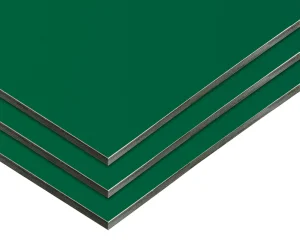
Capabilities: Serving as a key specialized manufacturing node in China, PEKA produces custom aluminum curtain walls, honeycomb panels, and magnetic concrete formwork solutions (e.g. GME-900Y) that optimize modern offsite precast concrete assembly.
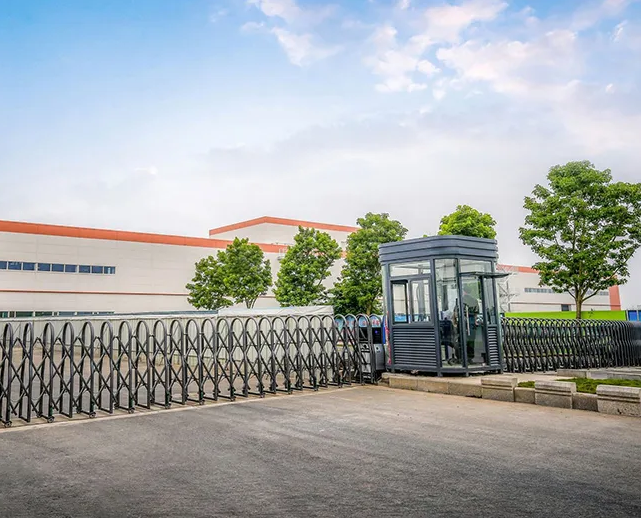
Leading OEM/ODM Manufacturer of Metal Facades, Architectural Ceilings & Composite Envelopes | Hebei, China
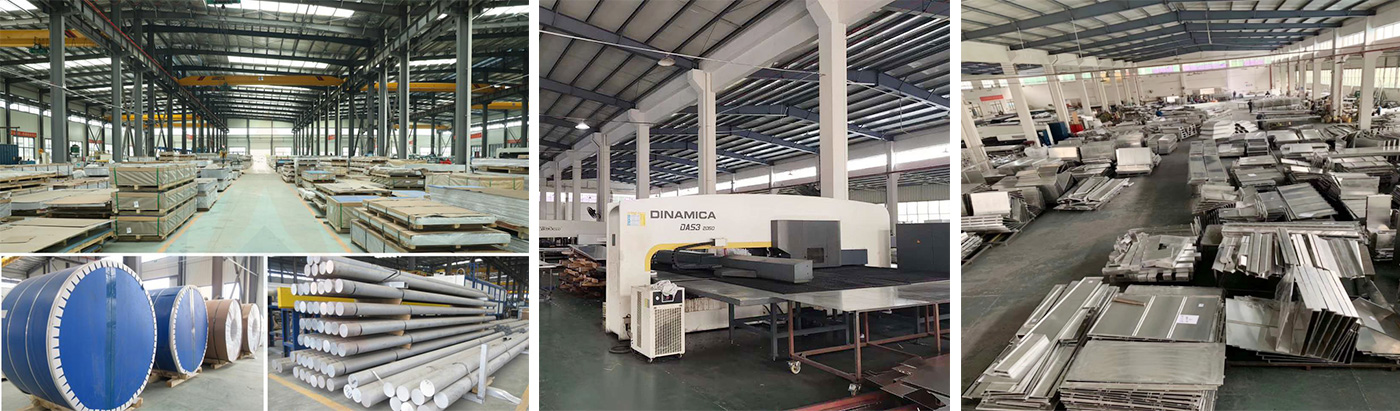
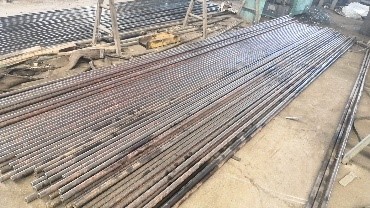
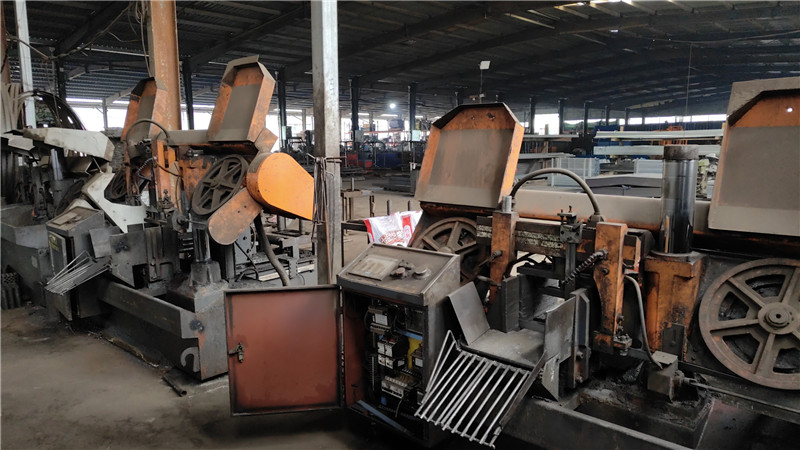
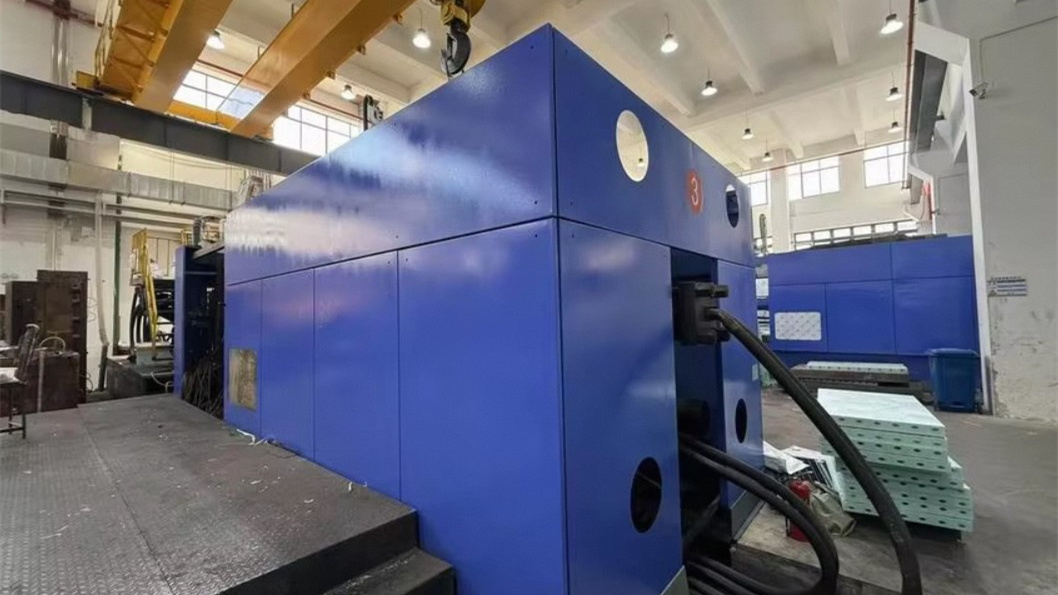
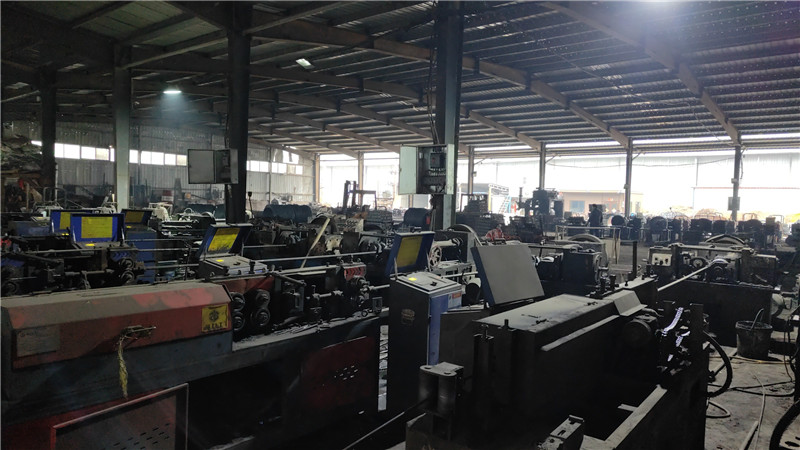
PEKA Building Materials has been established for more than 10 years (Founded in 2009). Covering an area of 10,000 square meters with an 8,000 square meter modern plant, PEKA is a pioneer in the production of metal decorative materials in China. The company operates 100+ skilled staff and large-scale precision equipment.
Our company's annual sales reach 160 million yuan, with an annual shipment volume of approximately 580,000 square meters. We produce, sell, and develop customized building materials including aluminum curtain walls, aluminum ceilings, honeycomb panels, air-conditioning covers, and perforated panels.
Since entering the building materials industry, we have focused on quality management. Rigorous testing and high-standard scientific management ensure that our products are produced using world-renowned brand raw materials.
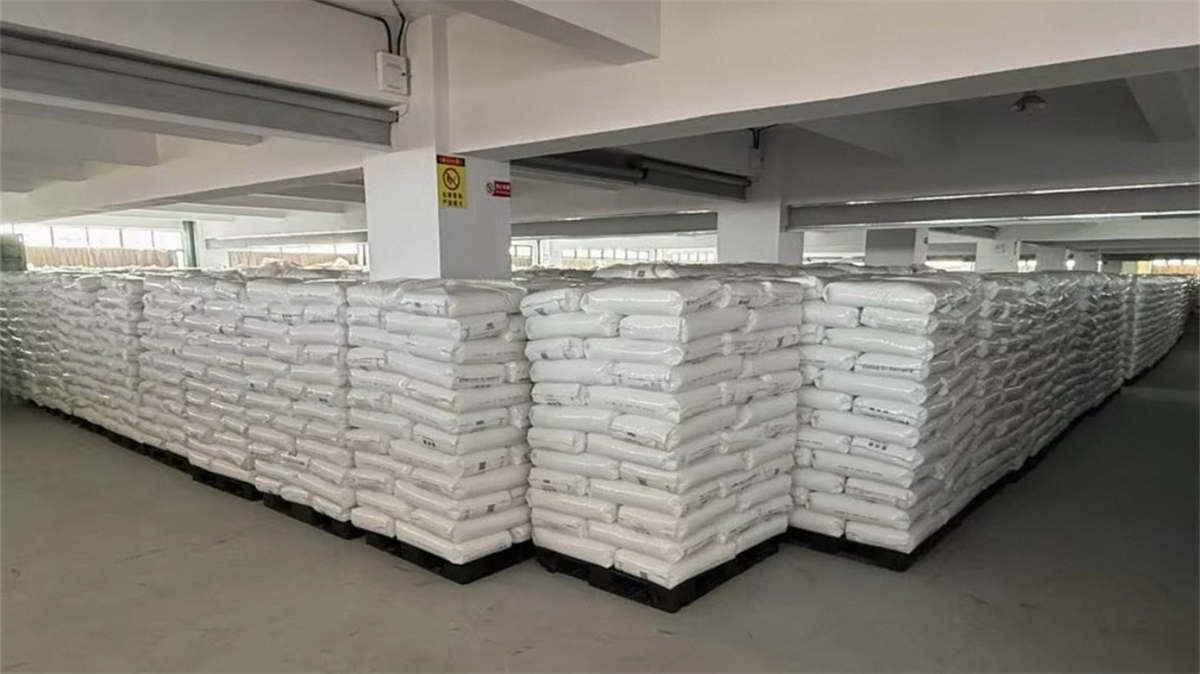
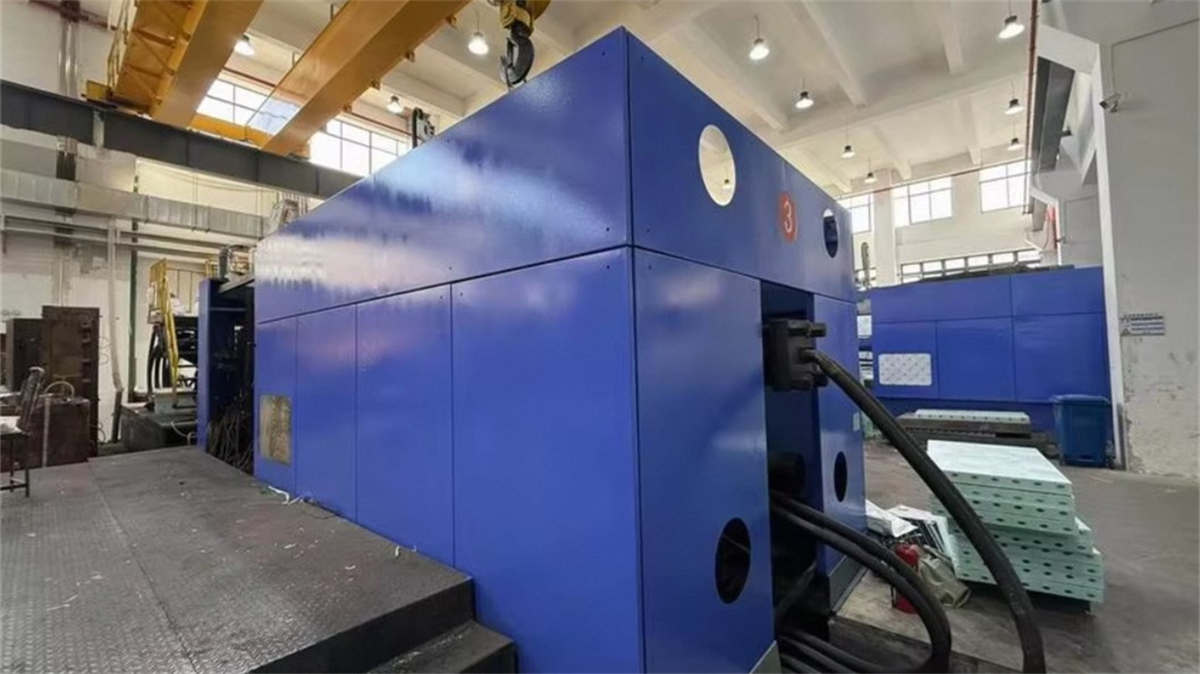
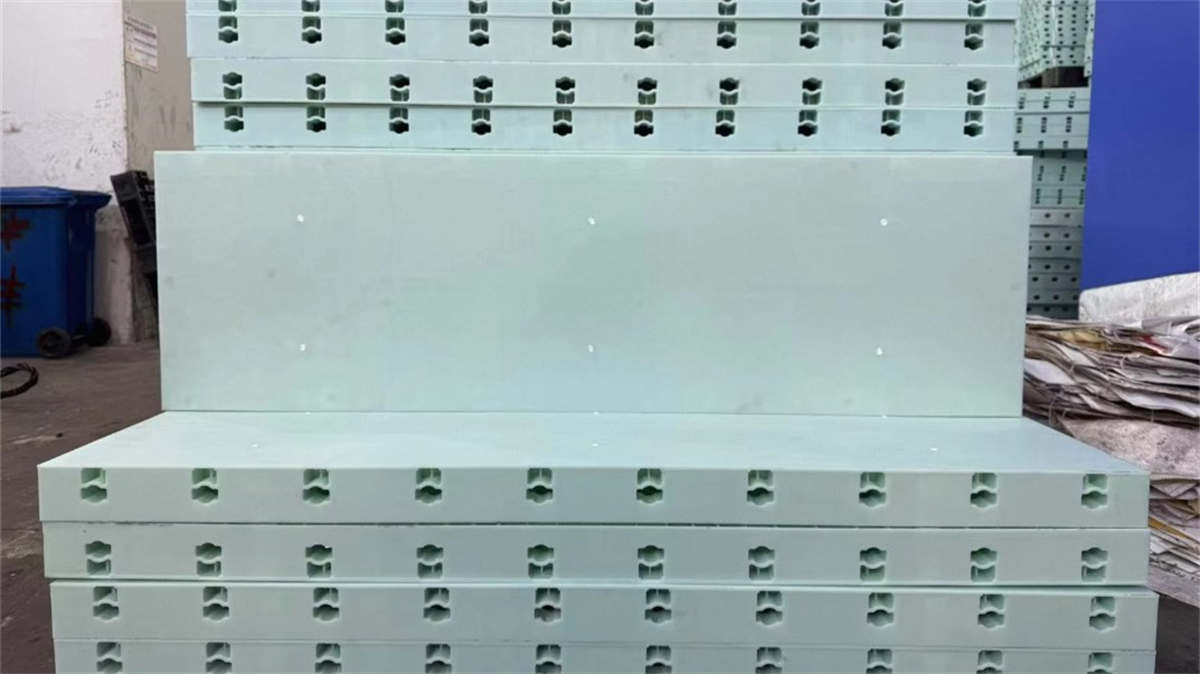
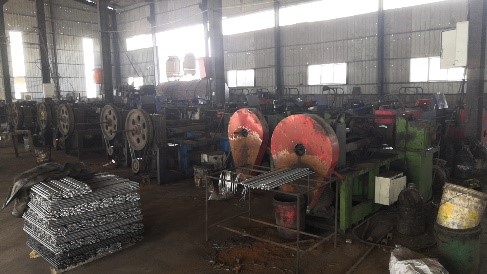
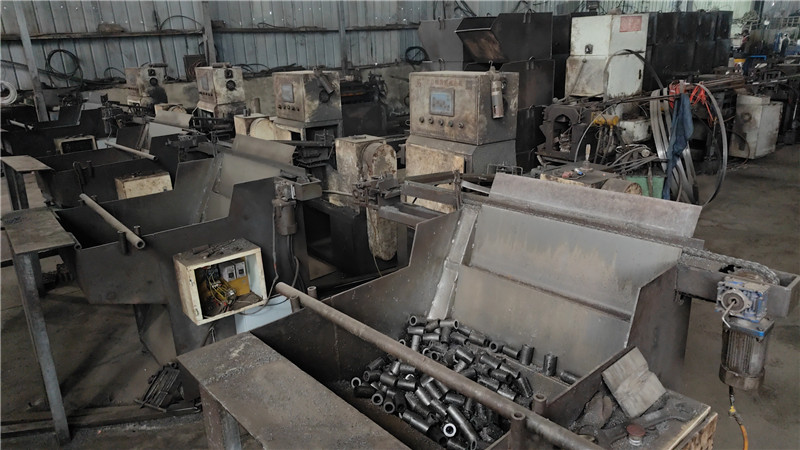
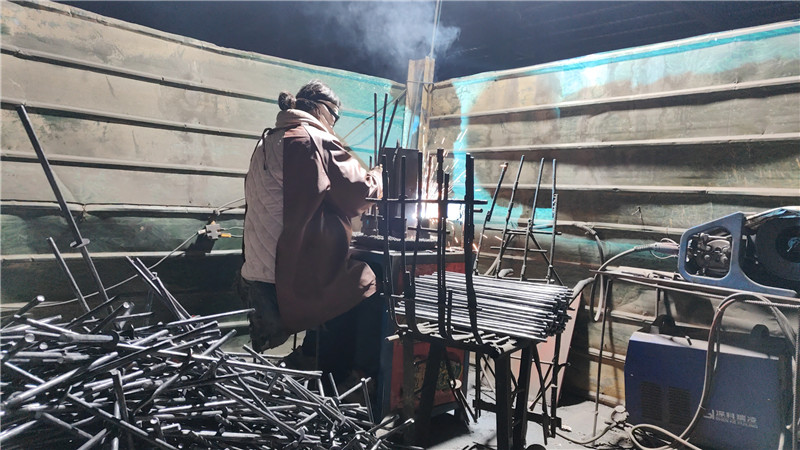
The cement products sector is moving rapidly toward zero-carbon formulations, automated offsite assembly, and smart structural monitoring. Over the next decade, technology progression will follow four distinct evolutionary phases:
| Phase & Timeline | Core Innovation | Primary Material Science | Impact on Building Envelopes |
|---|---|---|---|
| Phase 1: 2025–2027 | Low-Carbon Cement Binders | Calcined Clay (LC3), Fly Ash & Slag SCM Optimization | Reduces embodied carbon by 30-40% in structural precast elements without sacrificing early compressive strength. |
| Phase 2: 2027–2029 | 3D Concrete Printing (3DCP) | Thixotropic Mortars & Rapid-Setting Hydration Agents | Eliminates traditional formwork cost; allows complex parametric facade geometry integrated with aluminum sub-frames. |
| Phase 3: 2029–2032 | Smart Bio-Self-Healing Concrete | Bacterial Endospores & Micro-Encapsulating Polymers | Self-repairs micro-cracks up to 0.8mm; extends bridge and facade service life by over 50 years. |
| Phase 4: 2032–2035 | Nano-Engineered Carbon Capture Envelopes | Graphene-Reinforced UHPC with Direct-Air Carbon Sequestration | Turns building structures into carbon-negative sinks while delivering ultra-high flexural strength (>30 MPa). |
In modern urban towers, heavyweight precast concrete floor slabs and shear walls are encapsulated by lightweight, high-weatherability aluminum curtain walls (such as PEKA systems) and insulated composite panels. This hybrid approach optimizes structural load while achieving thermal compliance with ASHRAE 90.1 standards.
Offshore structures, port seawalls, and coastal resorts require sulfate-resistant cements paired with non-corrosive building materials. Incorporating TPO waterproofing membranes and WPC outdoor wall cladding ensures complete moisture resistance against salt spray.
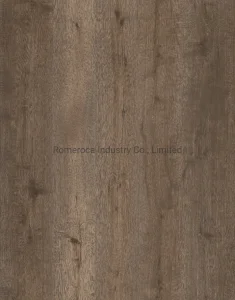
Precast concrete magnetic box systems (such as the GME-900Y series) allow rapid assembly of prefabricated room modules in factory environments. Combined with pre-finished woodgrain PVC decorative materials and glass wool insulation, on-site installation time is reduced by up to 60%.
A leading cement products factory combines high-capacity automated batching, strict ISO 9001 quality management, robust R&D in low-carbon SCM formulations (such as fly ash and slag incorporation), and third-party certified testing for compressive strength, freeze-thaw durability, and fire resistance.
UHPC exhibits compressive strengths exceeding 120–150 MPa (compared to 30–50 MPa for standard concrete) and exceptional flexural strength due to steel or synthetic fiber reinforcement. It features near-zero water permeability, making it ideal for thin, lightweight, ultra-durable architectural facades and infrastructure joints.
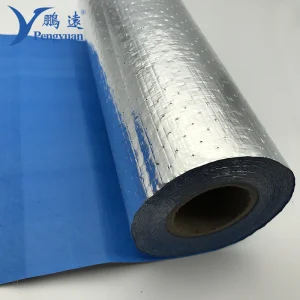
Precast cement structures expand and contract under thermal cycles. Integrating high-performance aluminum curtain walls, neutral silicone structural adhesives, and continuous thermal insulation (such as glass wool or aluminum foil sarks) prevents thermal bridging, moisture ingress, and structural cracking over the building lifecycle.
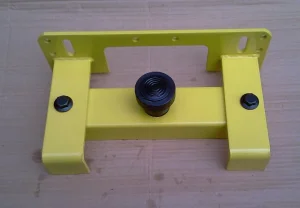
Precast concrete magnetic boxes provide strong holding forces to secure side formwork against steel casting tables without welding or drilling. This drastically improves formwork setup efficiency, reduces table damage, and ensures precise dimensional tolerances for concrete panels.
SCMs such as blast furnace slag, silica fume, and calcined clays replace carbon-intensive clinker in cement formulations. Using SCM-based cement products earns significant points under LEED v4.1 (Material and Resources credit) and BREEAM decarbonization categories.
 PEKA Build Materials