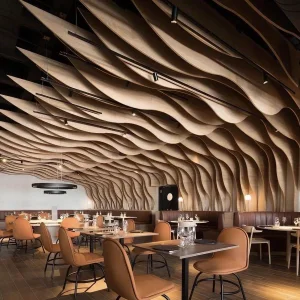
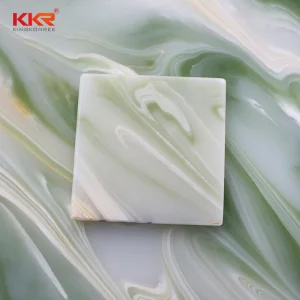
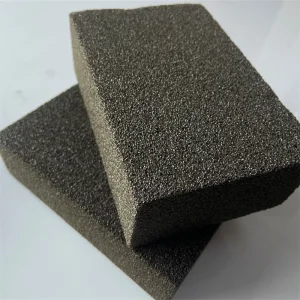
Exacting standards and direct wholesale logistics for high-demand global markets.
In the modern era of globalization, the procurement of heavy industrial supplies, architectural metal systems, and raw engineering polymers has transitioned from localized transactions to deeply integrated global supply networks. Urbanization programs across the Middle East, high-performance commercial construction in Europe, and industrial scale-ups in the Americas require robust structural materials that offer prolonged operational lifetimes under severe conditions.
As organizations face heightened pressure to minimize capital expenditure (CAPEX) while optimizing structural durability, the demand for cost-effective, high-standard materials has surged. Choosing an integrated supplier and exporter from China provides critical advantages, allowing global operators to hedge against supply chain volatility, ensure compliance with strict environmental mandates, and access a wide array of specialized engineering components.
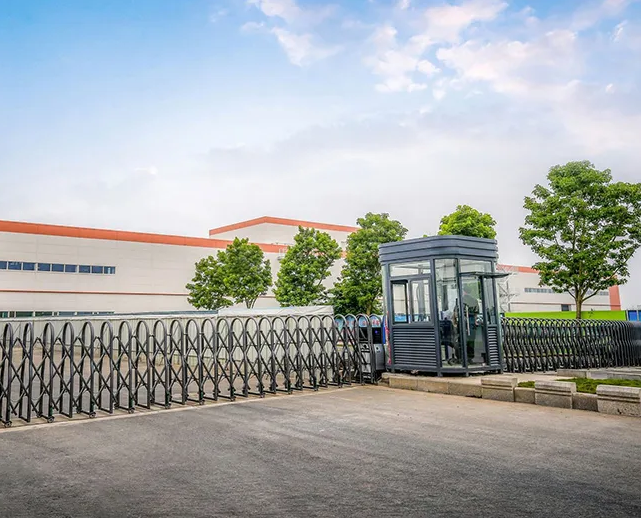
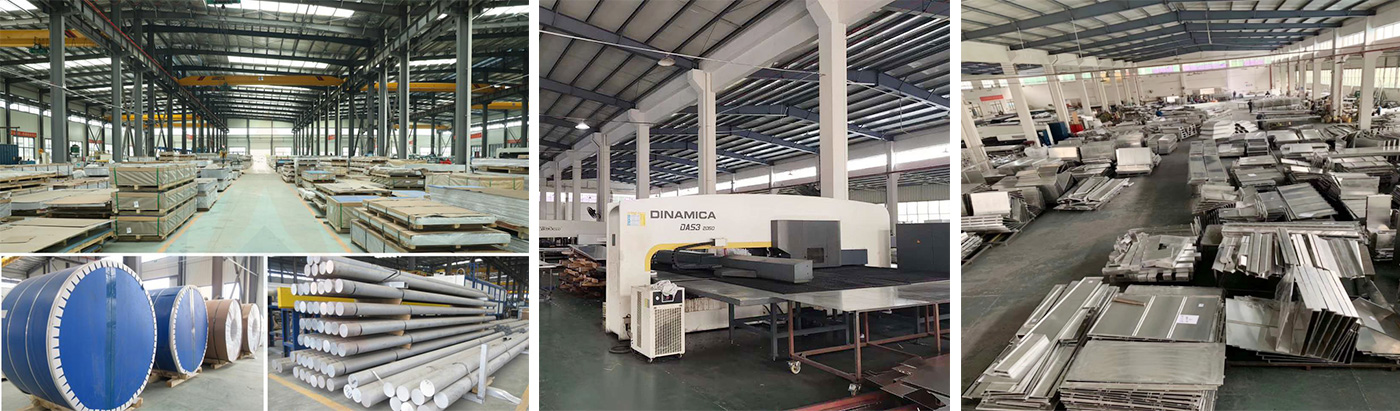
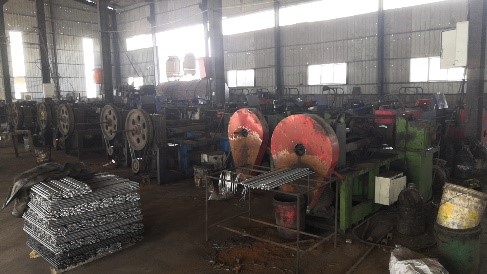
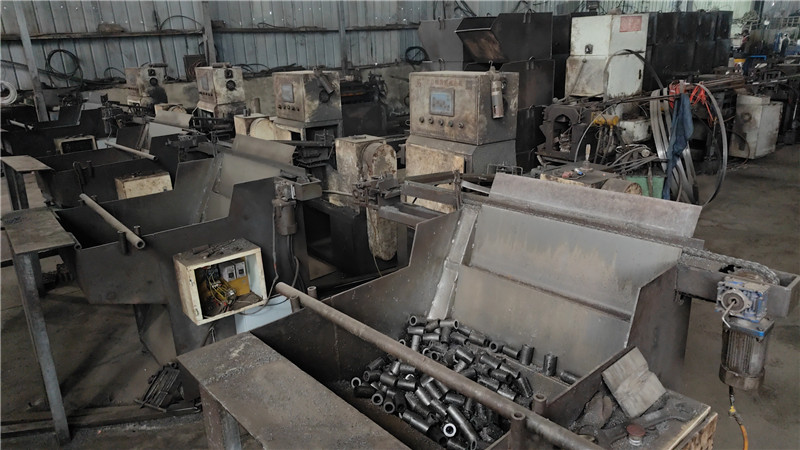
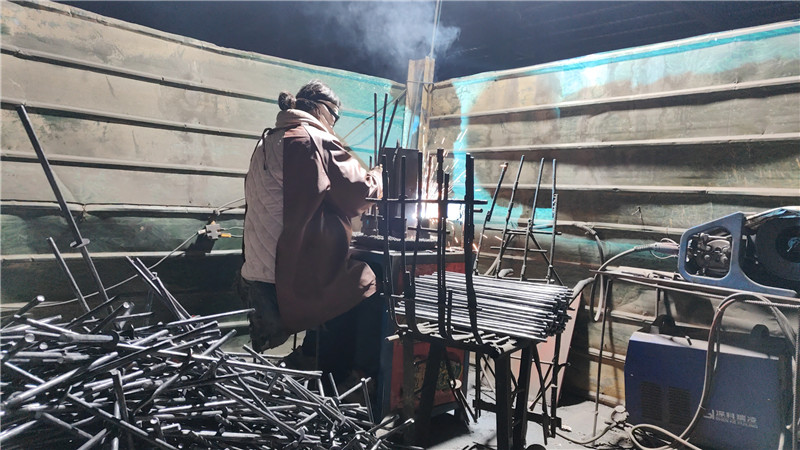
Established for over a decade (founded in 2009), PEKA Building Materials has developed into an industry-leading manufacturer and exporter of architectural systems and building materials. Spanning a modern production layout of over 10,000 square meters (with 8,000 square meters of specialized heavy fabrication workshops), our facility supports complex design outputs, including customized aluminum curtain walls, aluminum ceilings, aluminum honeycomb panels, air-conditioning covers, and perforated acoustic panels.
Located in Hebei, China, the company maintains a dedicated workforce of over 100 industrial specialists and engineering personnel. Driven by technological innovation, PEKA supports global architectural initiatives with an annual output reaching 580,000 square meters of finished metal cladding systems, yielding annual trade revenues exceeding 160 million RMB (yuan).
Why Chinese industrial clusters deliver unmatched lead times, material precision, and economic viability.
In northern and southern China, manufacturing plants are situated near major raw metal refineries, chemical extrusion lines, and coating producers. This spatial proximity limits internal logistics costs, allows fast raw material sourcing, and maintains structural flexibility even when handling large-volume projects.
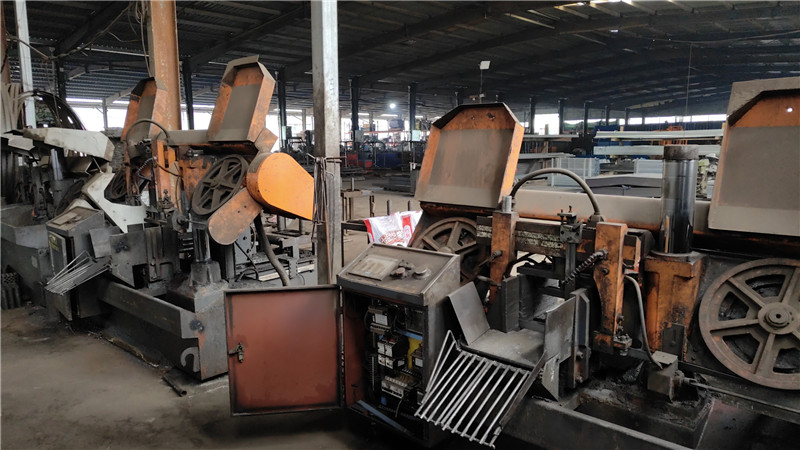
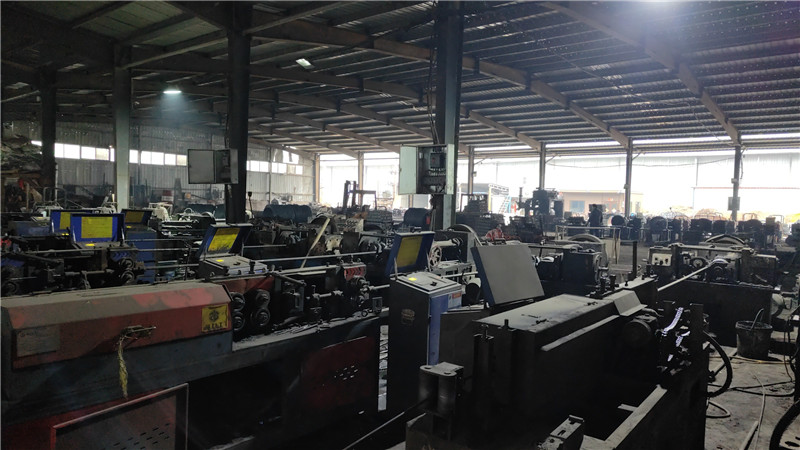
Deploying multi-axis CNC bending systems, laser perforation arrays, and automated powder coating plants reduces human error. Standardizing these processes enables tolerances within +/- 0.5mm on complex custom metal sheets, providing architectural uniformity across thousands of shipped square meters.
Direct access to deepwater ports (such as Tianjin, Qingdao, and Shenzhen) and rail links connecting Central Asia and Europe streamlines logistical operations. This minimizes freight transit times and reduces structural loading costs, protecting finished products from dynamic moisture exposure during transit.
| Performance Indicator | China Wholesale (Integrated) | Localized Fragmented Sourcing | Strategic Advantage |
|---|---|---|---|
| Bending & Laser Tolerances | ± 0.5 mm (Automated CNC) | ± 1.5 mm to 2.0 mm | Enables fast on-site installation, reducing layout time and alignment costs. |
| Coating Standards (AAMA 2605) | Yes, PPG and Aksu certified options | Varies, often uncertified coatings | Guarantees 20+ years of weatherability in high-UV coastal areas. |
| Production Capacity Scale | Up to 50,000 ㎡ monthly per plant | Limited to 10,000 - 15,000 ㎡ | Safely supports massive commercial, multi-phase developments. |
| Logistics Operations | Direct FOB/CIF containers, custom packaging | Ex-works third-party delivery | Lowers freight transit risks with heavy steel bracing and protective films. |
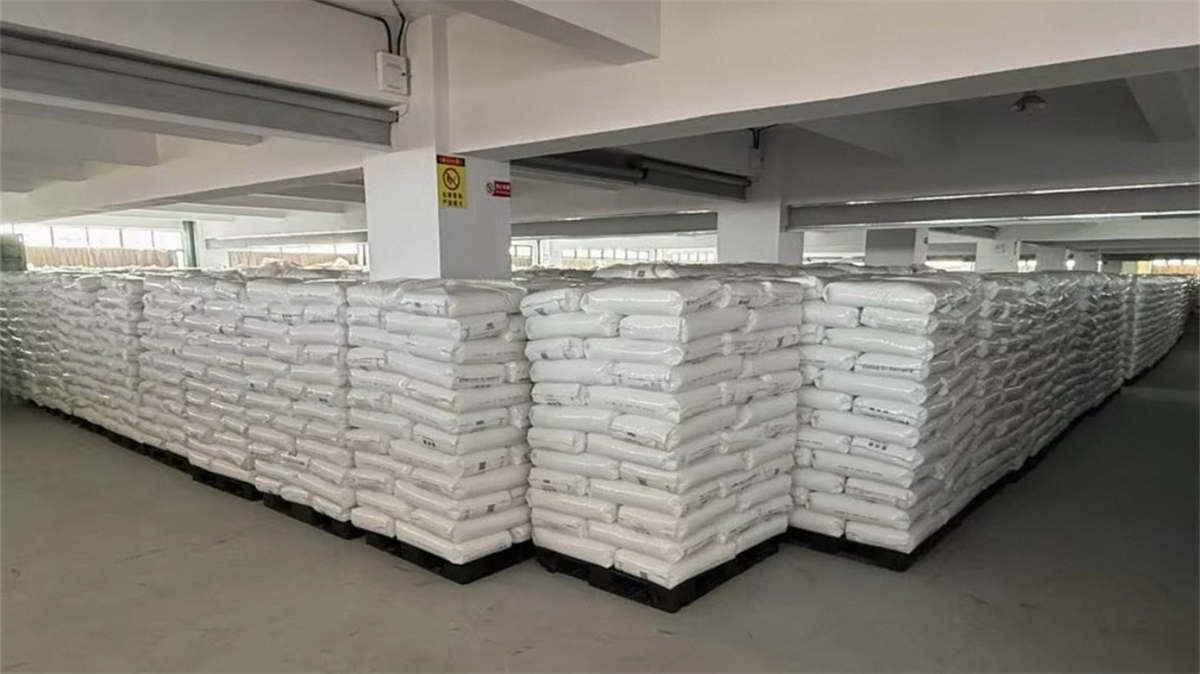
Building products are only as reliable as their constituent raw materials. PEKA Building Materials implements strict incoming material control protocols to prevent structural failures, surface discoloration, and dimensional warping. By sourcing raw materials from verified domestic and international vendors, we build reliable performance into every panel and profile.
Approved Material Standards Include:
How PEKA’s engineering outputs integrate into diverse global infrastructures.
Deploying custom-engineered aluminum curtain walls and perforated cladding on multi-story towers. These systems balance wind load calculations, thermal expansion limits, and seismic drift ratios, providing a structural envelope that is easy to align on-site.
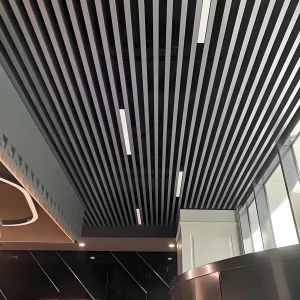
Large public transit centers require high acoustic mitigation, Class-A fire ratings, and access to mechanical overhead services. PEKA’s linear baffle ceiling systems and perforated acoustic panels provide durable, access-friendly design choices.
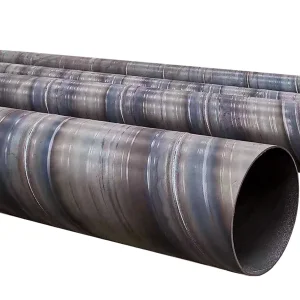
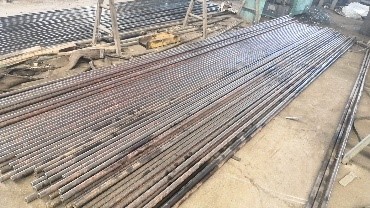
Using high-quality spiral welded carbon steel pipes for water treatment plants, oil distribution runs, and large structural piles. Designed to meet API 5L and ASTM specifications, these products support long service lives under variable subterranean pressures.
The global construction landscape is shifting toward low-carbon footprints, circular product lifetimes, and smart buildings. This shift directly impacts material selection. Non-recyclable composites are being replaced by highly durable alloy sheets, bamboo-based fiberboards, and lightweight foam glass insulation cores.
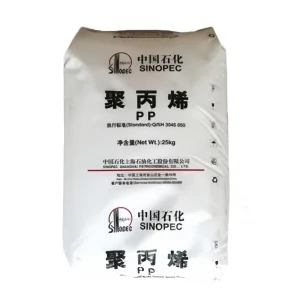
By investing in green manufacturing workflows, we lower the embodied carbon index of our aluminum panels. Fluorocarbon coating developments now deliver high solar reflectance indexes (SRI), helping buildings reduce active HVAC cooling loads. Simultaneously, we are incorporating composite plastic polymers (like PP M2600r) to produce lightweight, recyclable electrical housings and structural components.
How B2B procurement managers can protect projects against transit delay, dimensional errors, and coating failures.
Cladding elements and metal systems can easily scratch if improperly packed. Our factory uses protective adhesive films on all coated faces, dense foam separators, and heavy plywood crates. This safeguards critical edges during sea shipping and crane offloading at arrival ports.
Before shipping containers leave the factory, our QC technicians conduct cross-hatch adhesion tests, coating thickness measurements (minimum 30 microns for exterior architectural elements), and dimensional checks. We also welcome independent third-party inspections (such as SGS or TÜV) to verify compliance before dispatch.
To coordinate freight logistics smoothly, we work with buyers on flexible Incoterms, including FOB (Free on Board), CIF (Cost, Insurance, and Freight), and DDU (Delivered Duty Unpaid). We provide complete HS Code documentation, mill test certificates, and country-of-origin paperwork to clear customs without delays.
Combining structural steel elements (such as H-beams and spiral welded pipe runs) with aluminum interior trims or exterior panels simplifies shipping. Consolidating materials into fewer shipments reduces ocean freight costs, coordinates arrival schedules, and streamlines project tracking.
Answers to technical, regulatory, and logistical questions for international procurement teams.
Diverse structural surfaces, insulating materials, and high-performance composites.
 PEKA Build Materials