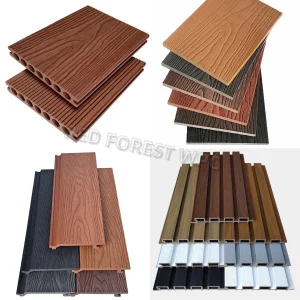
High durability formulations built to withstand high relative humidity, intense UV radiation, and hyper-saline coastal exposure.
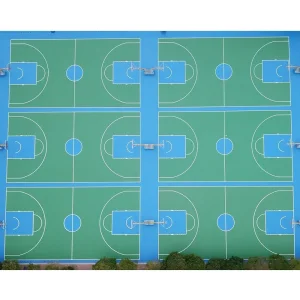
An engineering deep dive into flooring material customization for low-lying Pacific islands experiencing hyper-saline groundwater and extreme tropical weathering.
The Republic of Kiribati, spanning across millions of square kilometers in the central Pacific, presents one of the most demanding environmental profiles globally for civil engineering and building materials. The combination of high relative humidity (averaging 80% year-round), intensive ultraviolet radiation (UV Index exceeding 11), high ambient temperatures, and consistent exposure to air-borne salt spray forces a paradigm shift in material selection. Conventional timber decays rapidly under intense humidity and wood-boring pests, while low-grade polymers undergo severe photolytic degradation, leading to chalking, cracking, and structural failure.
In Kiribati, urban hubs such as South Tarawa face unique spatial and logistical limits. Construction projects must utilize low-maintenance, heavy-duty floor surfaces that do not require specialized heavy equipment to deploy. Additionally, potable water conservation means that damp-curing of concrete subbases is often compromised, forcing flooring materials to have high tolerance for residual concrete moisture. High-density Polyurethane (PU), advanced Wood Plastic Composites (WPC), and pure Aliphatic Polyurea spray systems are changing the durability parameters of local structures, replacing vulnerable natural woods and high-maintenance metals.
Formulations tested under ASTM B117 salt spray standards ensure zero degradation from highly concentrated saline vapors and ocean sprays common in coastal Tarawa communities.
Incorporating advanced hindered amine light stabilizers (HALS) directly into the polymer chains prevents the molecular breakdown caused by equatorial sunlight.
Non-porous surfaces coated with silver-ion or organic antimicrobial technologies stop mold, mildew, and black algae from colonizing damp areas.
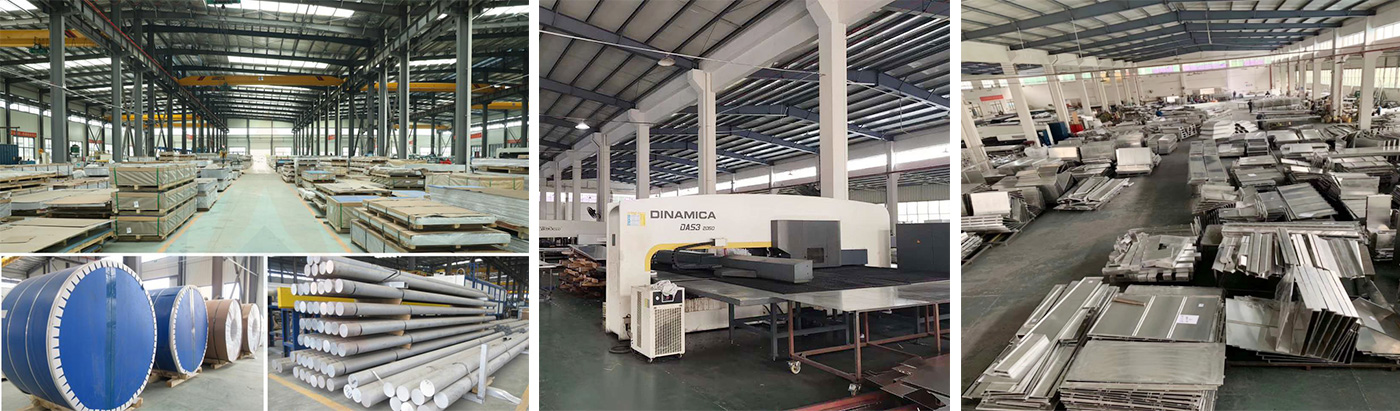
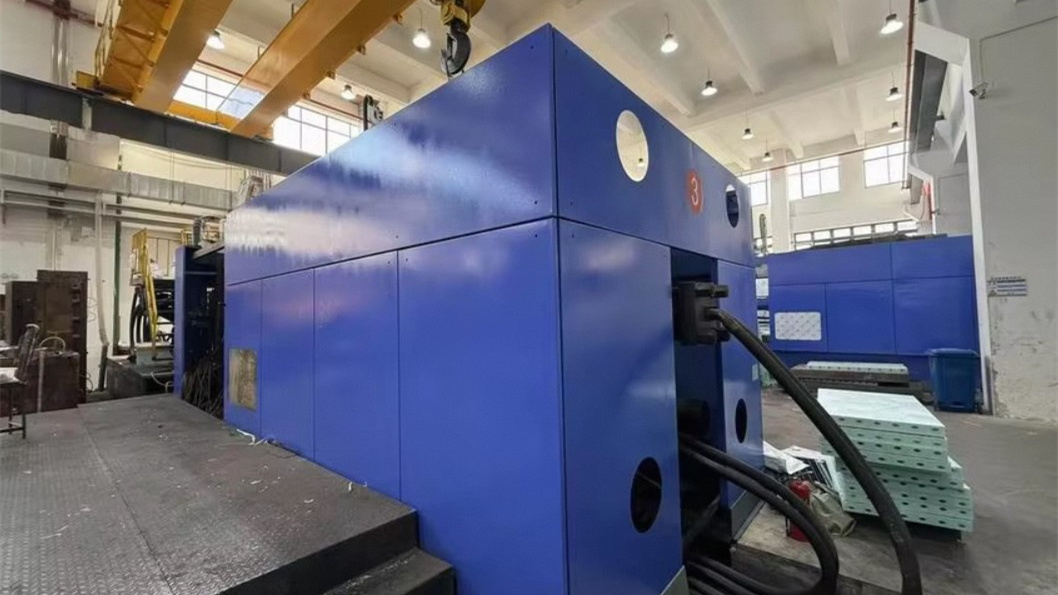
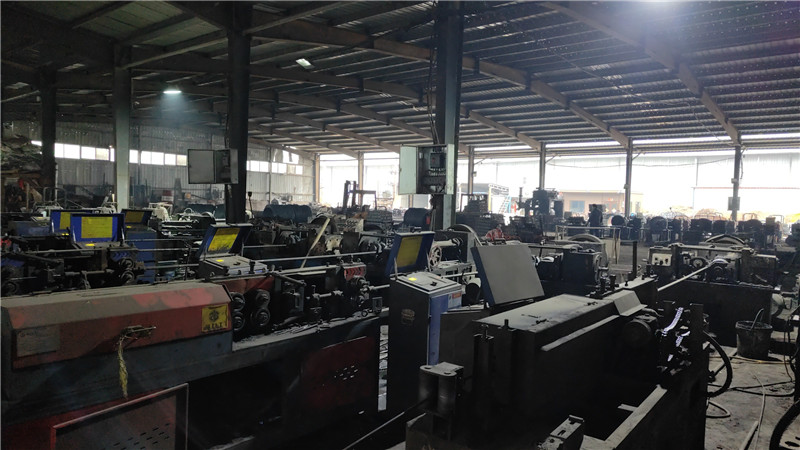
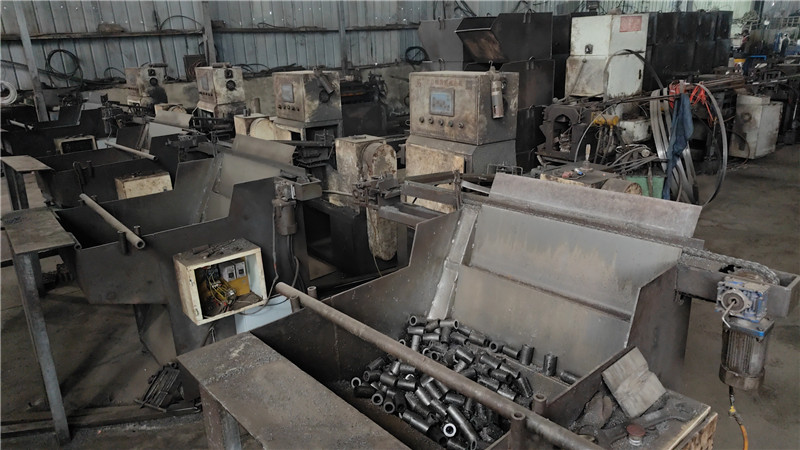
Established in 2009, PEKA Building Materials has spent more than 10 years engineering, testing, and exporting heavy-duty building systems to complex environmental regions globally. Headquartered in Hebei, China, our manufacturing facilities span over 10,000 square meters, featuring a robust staff of 100+ highly trained professionals. Operating with a capital infrastructure driving annual sales of 160 million Yuan and annual shipments exceeding 580,000 square meters, PEKA integrates modern production equipment with rigorous quality management frameworks.
As an industry leader in customized metallic cladding and composite flooring systems, we maintain deep technical partnerships with premium global material suppliers. Our commitment to architectural safety and aesthetics makes us the preferred sourcing partner for major marine, commercial, and athletic infrastructure projects in Micronesia and the broader Pacific.
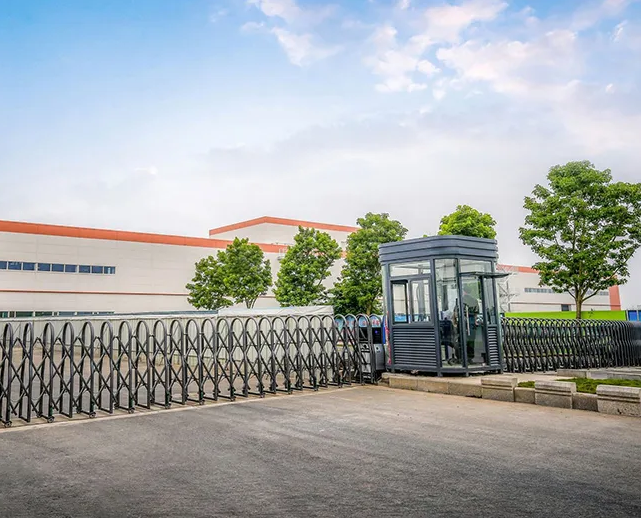
Ensuring architectural compliance and safety across complex oceanic municipal developments.
Architects and structural engineers planning projects in Kiribati face strict localized structural requirements. Floor finishes must not only withstand heavy foot traffic but also resist dynamic moisture movement from the underlying soil. Below, our technical division outlines the core performance standards engineered into PEKA flooring products to meet global building standards, including ASTM, EN, and ISO frameworks.
| Product Category | Primary Standard | Key Engineering Metric | Kiribati Application Suitability |
|---|---|---|---|
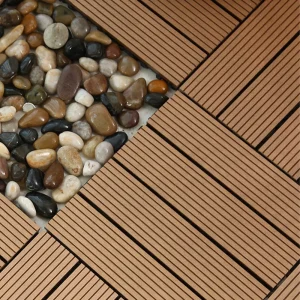
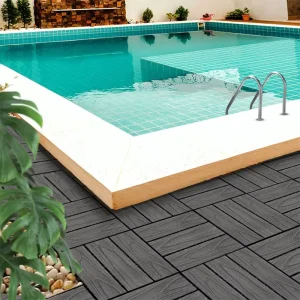
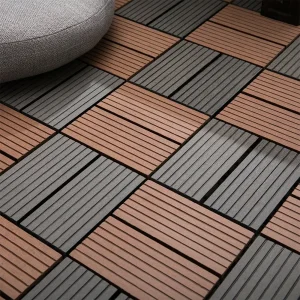
| WPC Decking Series | ASTM D7032 | Moisture absorption < 0.5% after 28 days immersion | Coastal pathways, eco-resort balconies, municipal boardwalks |
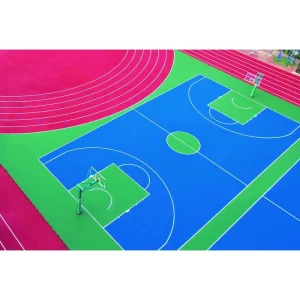
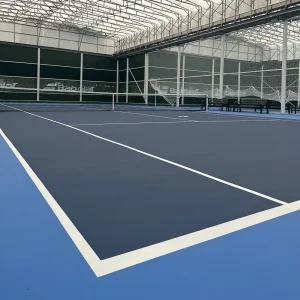
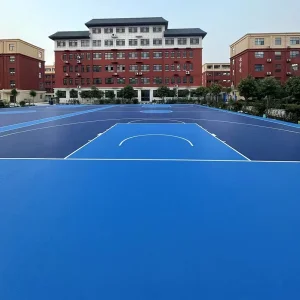
| Silicon PU Sports Systems | EN 14877 | Force reduction > 35% under wet/humid conditions | Outdoor basketball courts, community running tracks |
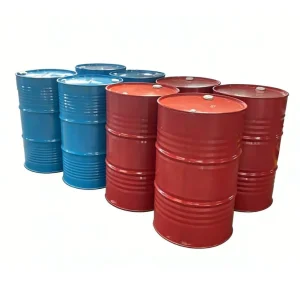
| Pure Polyurea Coatings | ASTM D638 | Tensile strength > 21 MPa; Elongation > 350% | Roof-deck waterproofing, heavy industrial workshop flooring |
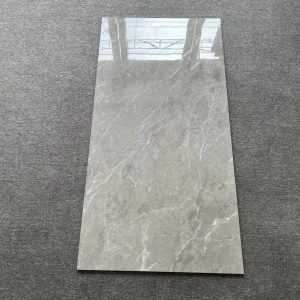
| Porcelain & Vitrified Tiles | ISO 10545-3 | Water absorption < 0.1% (Class Ia) | Medical facilities, governmental offices, schools |
Our ongoing research focuses on bio-based polymer matrices to decrease dependence on virgin plastics while boosting UV degradation thresholds. By modifying the cellular structure of our Wood Plastic Composites, we have achieved a higher density surface barrier. This barrier prevents moisture ingress even when submerged under high-salinity seawater during king tides—a critical consideration for maritime infrastructure design in Tarawa.
Years of Engineering
Sqm Shipped Annually
Yuan Annual Output
Kiribati Compliance
Seamless global shipping coordinates delivering structural building materials directly to Pacific port authorities.
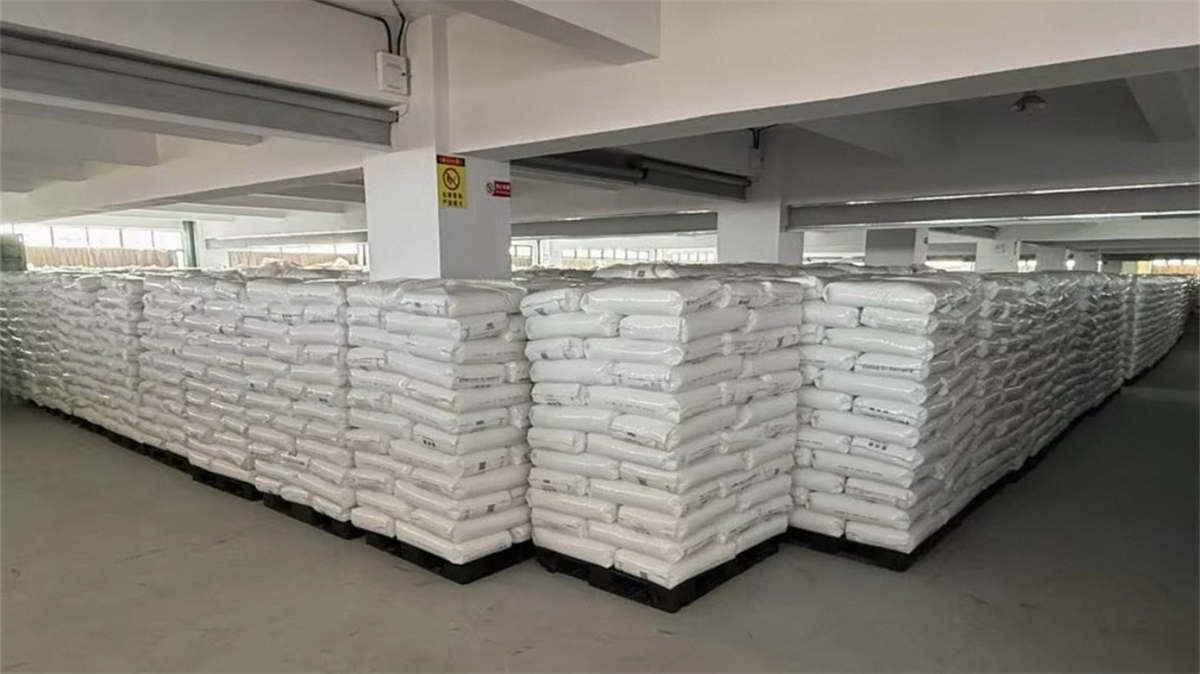
Shipping construction materials to Remote Island Developing States (SIDS) like Kiribati demands precise logistical planning. With major ports situated at Betio (Tarawa) and Kiritimati (Christmas Island), PEKA provides specialized export packaging designed for marine transit. All ocean freight containers undergo treatment to prevent moisture-induced corrosion on cargo, utilizing desiccant packs and heavy-duty shrink-wrapping to block saltwater air during long ocean crossings.
Additionally, we supply comprehensive digital assembly and installation guides for each flooring material. Since specialized installation equipment is often unavailable locally, our engineering division adapts the anchoring processes. For instance, our WPC decking uses snap-lock hidden T-clip fasteners. These require only basic hand tools for rapid installation, which helps lower reliance on imported technical labor and supports the involvement of local workers.
Technical responses matching the procurement needs of local architects, importers, and structural engineers.
Natural wood absorbs moisture in environments where the relative humidity regularly exceeds 80%. This leads to swelling, warping, and rot, and also makes it vulnerable to termites. PEKA's WPC (Wood Plastic Composite) features a high-density, co-extruded protective outer shell. This shell seals the internal composite core, preventing moisture absorption and insect damage, and eliminating the need for periodic staining or chemical treatments.
Unlike standard asphalt or low-grade acrylic paints that soften and crack under direct equatorial sun, Silicon PU 8.0 uses cross-linking polyurethane polymers. These maintain elasticity up to 70°C surface temperature, preventing bubbling and delamination. This ensures sports courts remain safe, slip-resistant, and resilient for years.
To ensure proper adhesion, concrete exposed to salt air must be high-pressure washed with fresh water to remove soluble salts. Once dry, applying our specialty penetrating epoxy primer seals the concrete pore structure. Afterward, spraying our pure polyurea coating creates an elastomeric membrane that isolates the concrete from moisture, oxygen, and salt, stopping carbonation and rebar corrosion.
Production cycles typically run 15–20 days depending on customization requirements. Transit times to Tarawa range from 35–45 days, routing through regional ocean transshipment hubs like Suva (Fiji) or Auckland (New Zealand). We handle all export customs clearances and coordinate container booking to ensure timely deliveries.
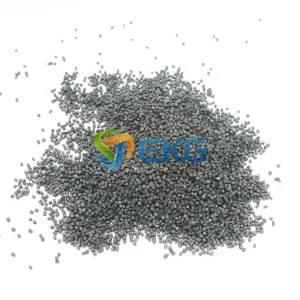
Yes. Our TPE and WPC materials are manufactured without VOCs, phthalates, or heavy metals. Unlike treated pressure-treated wood, which can leach toxic copper and arsenic into sensitive atoll groundwater and surrounding coral reef habitats, our composite materials remain inert. They do not release chemicals throughout their service life.
Explore high-durability floor materials and accessories engineered for harsh tropical conditions.
Ready to discuss structural specifications for your project in Kiribati?
Send Inquiry Now PEKA Build Materials