PEKA Build Materials
Advanced polymers, sports surfacing systems, and architectural composites customized for municipal developers and corporate buyers in Tunis.
As the primary economic and commercial nerve center of Tunisia, the Greater Tunis metropolitan area is undergoing a profound infrastructure transformation. From the revitalization of logistics complexes around the Port of Radès to the luxury commercial developments of Les Berges du Lac, modern architectural paradigms demand high-durability surfaces. Standard flooring materials regularly fail due to North Africa's unique environmental challenges—extreme thermal fluctuations, marine air containing highly corrosive chloride ions, and dry, abrasive desert winds blowing from the Sahara.
Consequently, procurement managers and municipal engineers are pivoting towards high-specification synthetic materials and advanced coatings. In sports complexes across Ariana and Carthage, silicon polyurethane (SPU) has replaced brittle acrylic substrates, offering enhanced shock-absorption and life-expectancy. Concurrently, heavy industrial environments (manufacturing zones in Ben Arous, warehousing corridors near La Goulette) are transitioning to seamless, high-build aliphatic polyurea coatings capable of resisting chemical leaks, forklift shear forces, and concrete expansion cracking.
This whitepaper outlines the performance metrics, logistics, and engineering profiles required by global firms executing projects in the Tunis basin, providing the baseline for selecting sustainable building materials that conform to local and international building codes.
When sourcing industrial and commercial flooring materials for deployment in Tunisia, multinational engineering procurement corporations (EPCs) evaluate several core performance metrics. These criteria ensure that the chosen suppliers can deliver long-term value, maintain compliance with European-influenced local building regulations, and withstand local environmental factors.
Materials must perform without softening at surface temperatures exceeding 60°C during peak summer months, preventing indentation, track deformation, or chemical degradation.
Coastal project sites, particularly along the Gulf of Tunis, demand high-density structures and hydrophobic surfaces (e.g., pure polyurea) to prevent moisture penetration and salt-crystal degradation.
Given the highly expansive clay soils characteristic of the Tunis plain, flooring systems require high tensile elongation properties to bridge structural hairline cracks.
Zero-VOC and low-odor formulations (like our TPE and bio-compatible Silicon PU) ensure conformance to regional LEED standards and indoor air quality requirements.
To assist structural engineers and estimators, the table below provides performance benchmarks comparing standard flooring options with the advanced materials developed for the high-intensity environments of Tunis.
| Material Classification | Tensile Strength (MPa) | Elongation at Break (%) | Shore Hardness | UV Stability (QUV 1000h) | Ideal Application Zones in Tunis |
|---|---|---|---|---|---|
| Aliphatic Polyurea (Spray) | > 21.0 | > 380% | 85A - 45D | Excellent (Non-yellowing) | Flat Roofs, Port Hangars, Chemical Storage |
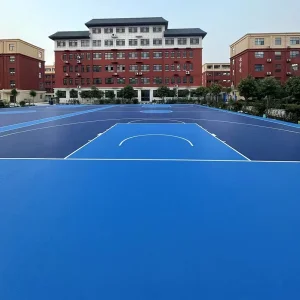
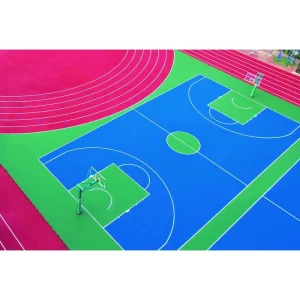
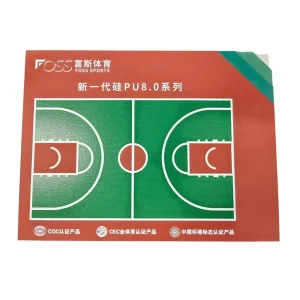
| Silicon PU (SPU 8.0) | > 4.5 | > 220% | 65A - 80A | Very High (Stable) | Municipal Running Tracks, Multi-Sport Courts |
| TPE Polymer (Eco-Low Odor) | > 8.0 | > 450% | 70A | Excellent | Automotive Fleet Flooring, High-Impact Utility Pads |
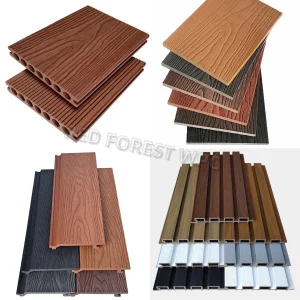
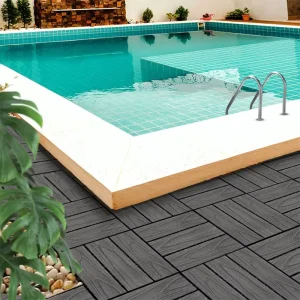
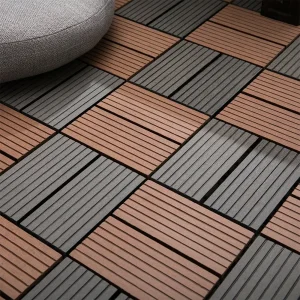
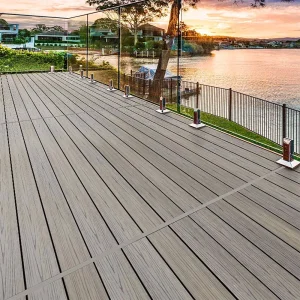
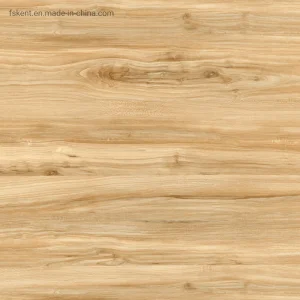
| Wood-Plastic Composite (WPC) | > 25.0 (Flexural) | N/A (Rigid) | 85D | High (UV-Stabilized) | Coastal Boardwalks, Resort Terraces, Gardens |
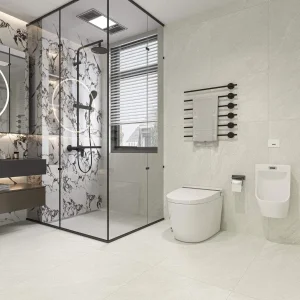
| Vitrified Ceramic Porcelain | > 35.0 (Modulus of Rupture) | N/A (Rigid) | MOHS 7 | Immune | Commercial Malls, Luxury Hotels, Transit Hubs |
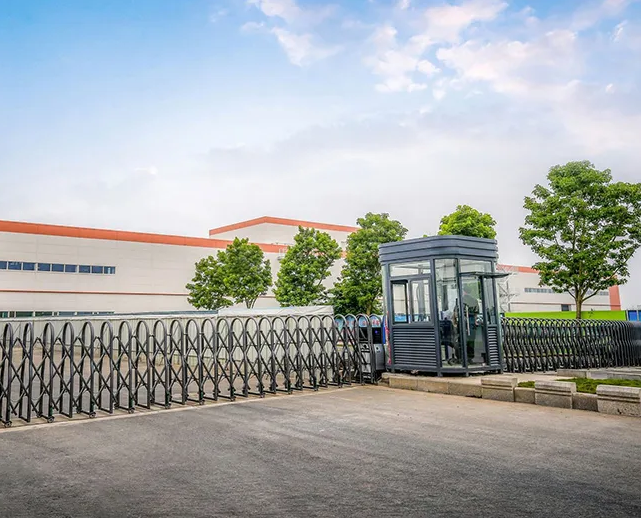
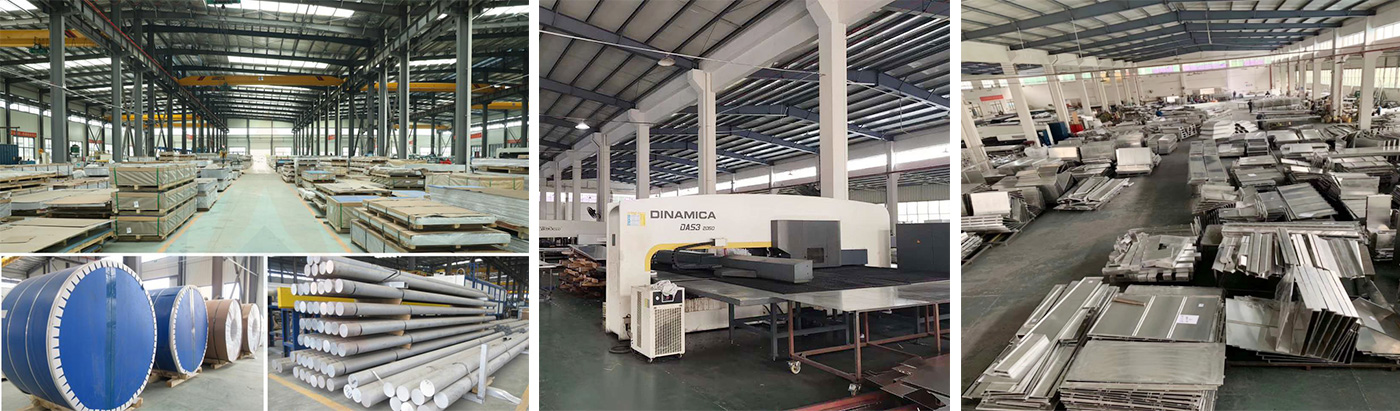
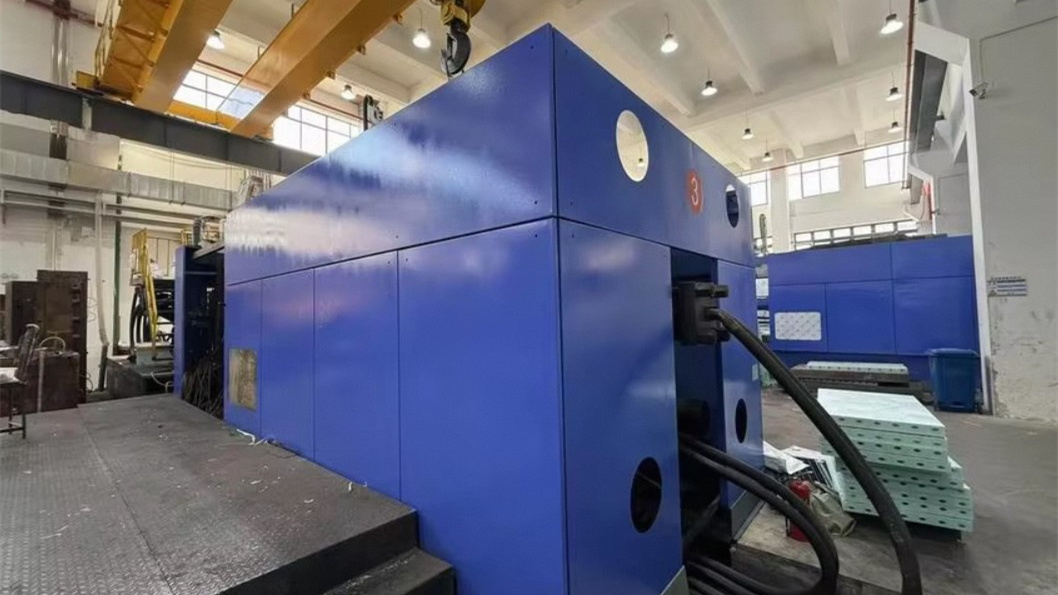
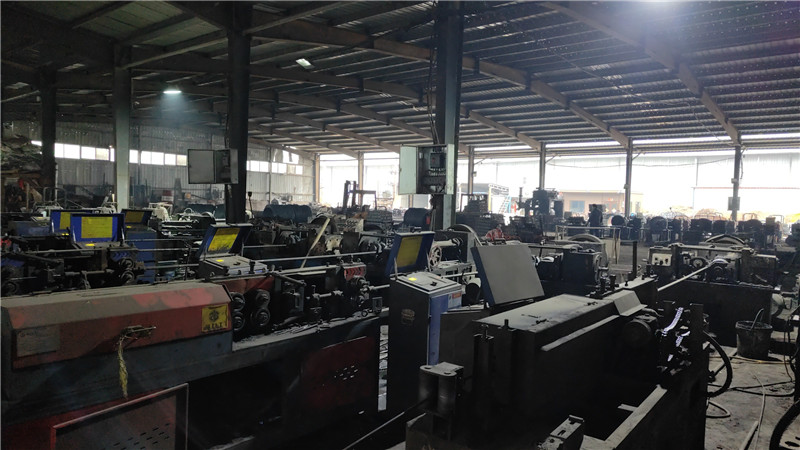
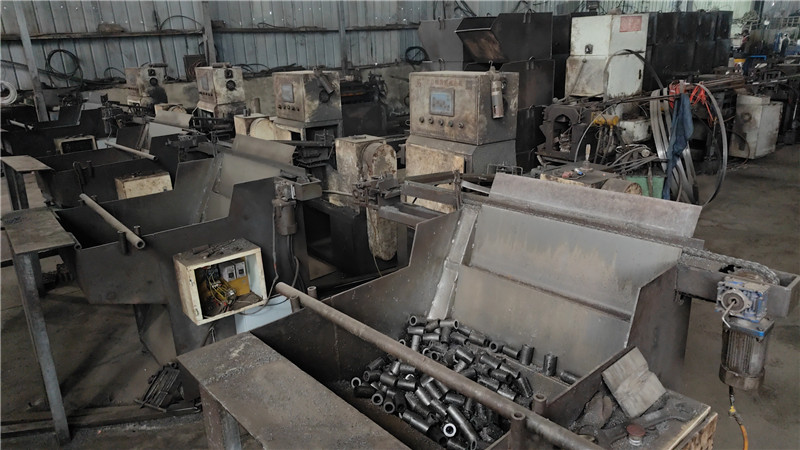
Founded in 2009, PEKA Building Materials has established itself as an industry pioneer and a trusted global partner in the fabrication of high-performance architectural systems and surface materials. Operating from an expansive 10,000-square-meter facility with an active manufacturing footprint of 8,000 square meters, our company integrates research, advanced manufacturing, and global logistical pipelines to serve critical building markets worldwide, including key infrastructure developments in the Tunis region.
Historically recognized for our expertise in premium architectural metals, we produce and export custom aluminum curtain walls, aluminum ceilings, aluminum honeycomb panels, aluminum air-conditioning covers, and perforated metal systems. Over the past decade, we have expanded our capacity to address global flooring and architectural surface needs, achieving an annual shipment volume of approximately 580,000 square meters and annual sales reaching 160 million Yuan.
Developing robust architectural projects in Tunis requires understanding the localized challenges. Our design team focuses on solving technical failures by utilizing advanced materials engineering:
Standard liquid waterproofing membranes degrade rapidly under North Africa's high-UV index. An aromatic polyurea base provides structural elastomeric crack-bridging, but it must be shielded. By utilizing our 2025 High Quality Aliphatic Pure Spraying Polyurea coating systems, projects achieve long-term color retention, absolute water impermeability, and resistance to standing water containing marine salt. This system is ideal for municipal concrete roofs, multi-story parking decks in Tunis, and the corrosion-prone coastal structures of La Goulette.
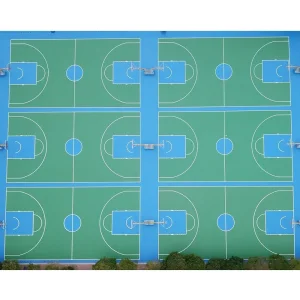
Tunisian municipal athletics initiatives demand outdoor courts that resist severe cracking caused by clay soil shifting during rain/drought cycles. SPU 8.0 introduces an organosilicon compound into traditional polyurethane matrices. This creates a dual-layer profile: a hard top-coat resistant to sand-laden desert winds and a micro-elastic cushion coat that protects athletes' joints while maintaining dynamic flexibility to span minor structural cracks in the underlying concrete.
Inside vehicles parked in Tunis during the summer, interior air temperatures can reach 80°C. Standard PVC and low-grade rubber floor mats release high concentrations of volatile organic compounds (VOCs) and hazardous odors. Our premium thermoplastic elastomers (TPE) maintain their structural profile, slip-resistance, and complete chemical stability up to 120°C, providing a clean, odorless environment for large fleet operators and commercial transit networks in North Africa.
Natural wood decking in Tunis commercial venues requires constant oiling, sealing, and maintenance to avoid warping, splitting, and infestation by marine boring insects. Wood-Plastic Composites (WPC) offer a sustainable alternative, combining recycled wood fibers with high-density polyethylene (HDPE). This creates a composite material resistant to moisture absorption and termites, preserving its structural integrity and aesthetic appeal in high-traffic commercial zones.
Complete product range optimized for durability, environmental compliance, and safety standards in Tunis municipal and private developments.
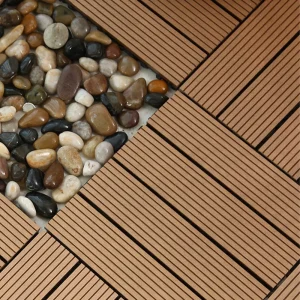
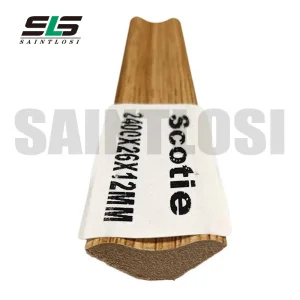
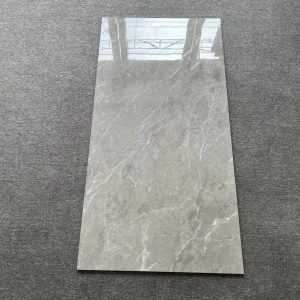
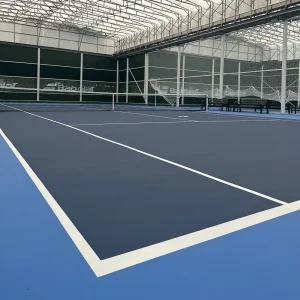
To ensure comprehensive project coverage and to support custom design elements, PEKA maintains the following product lines for delivery to Tunis logistics hubs:
As international construction standards progress towards carbon neutrality and intelligent material design, the expectations for architectural surfaces in Tunisia are evolving. Building materials must transition from passive structural components into active elements that contribute to energy efficiency and carbon mitigation.
Future sports court surfacing will integrate embedded piezo-electric arrays and smart diagnostics to monitor structural shifts, helping city authorities in Greater Tunis track ground shifts and manage maintenance before cracks visible to the naked eye form. Additionally, next-generation Silicon PU materials will incorporate high-albedo infrared reflective pigments, reducing the urban heat island effect across municipal sports parks.
To support green building certifications (such as LEED and BREEAM) in Tunisia's expanding commercial developments, WPC systems will utilize 100% locally sourced recycled agricultural cellulose fibers combined with post-consumer polymers. These materials are engineered for complete recyclability at the end of their lifecycle, preventing plastic accumulation in regional landfills.
Our chemical engineering pipeline is replacing petroleum-derived amine chain extenders with organic alternatives synthesized from seed oils. This structural shift reduces the embodied carbon footprint of our waterproofing and floor coatings by 35% while preserving their extreme chemical, mechanical, and UV resistance profiles.
Successful construction projects require a reliable supply chain. PEKA has established structured logistical pipelines and compliance verification processes specifically designed for North African import dynamics:
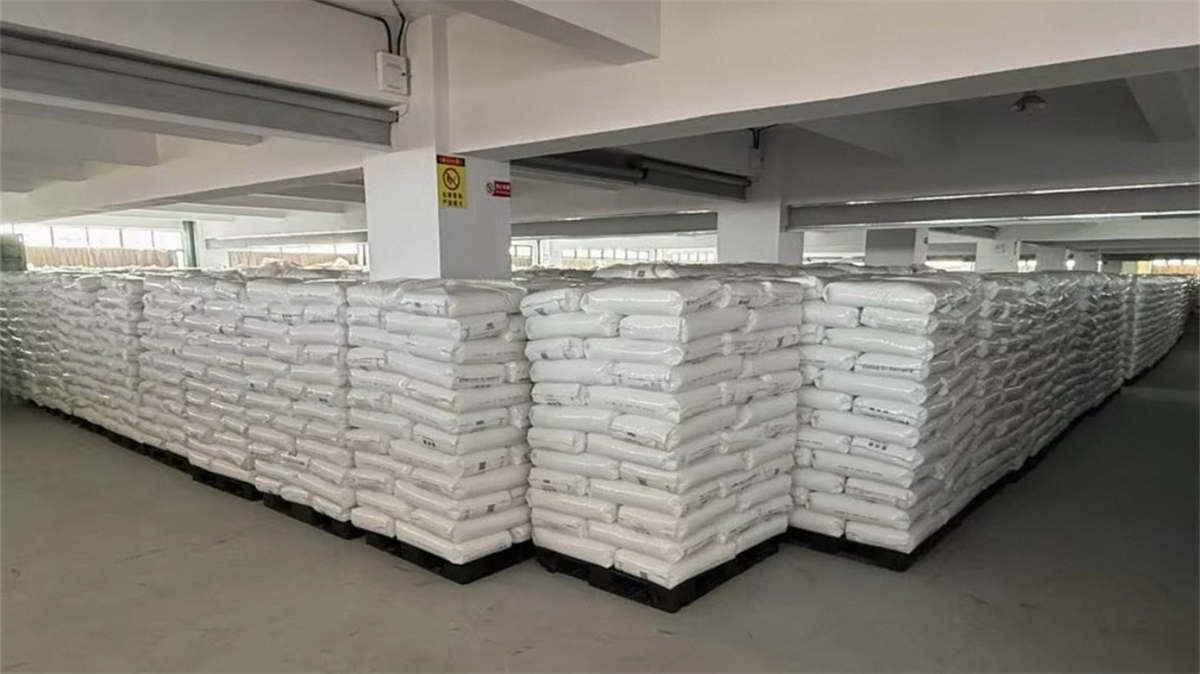
All flooring orders are processed and containerized at our manufacturing base in Hebei. Cargo is dispatched through Tianjin Xingang or Qingdao Port, using direct maritime routes to the Port of Radès, Tunis. We offer full-container-load (FCL) consolidation, protective moisture-barrier shrink-wrapping, and optimized palletization to ensure materials arrive without damage from humidity and temperature fluctuations during sea transit.
To ensure smooth customs clearance in Tunisia, we provide comprehensive technical documentation, including:
For large industrial applications (such as high-build polyurea spray coatings or running track systems), PEKA provides remote technical support and detailed application guides. We collaborate closely with local Tunisian applicators, providing correct nozzle configurations, substrate moisture parameters, and multi-layer curing profiles to ensure long-term installation success.
Answers to common technical, chemical, and logistical questions from structural engineers, contractors, and project planners in Tunisia.
Our Silicon PU (SPU) 8.0 formulation incorporates an organic silicon modifier within the main polyurethane structure. This modification makes the material highly resistant to ultraviolet radiation, preventing the yellowing, chalking, and embrittlement common in standard polyurethane materials exposed to the intense solar radiation of North Africa. The system remains elastic and retains its dynamic performance characteristics across temperatures ranging from -20°C to +75°C.
The substrate concrete must be fully cured (minimum 28 days), structurally sound, clean, and dry. Relative moisture content in the concrete must be below 4%. The surface should be prepared by grinding or shot-blasting to achieve a concrete surface profile of CSP 3-5. Due to the high humidity levels in coastal Tunis, a dedicated concrete primer must be applied to prevent outgassing and pinholes before spraying the polyurea coating at high temperatures and pressures.
Our typical production lead time ranges from 14 to 21 days from order confirmation to port dispatch, depending on order volume. Maritime transit from Tianjin Xingang or Qingdao to the Port of Radès in Tunis generally takes between 32 and 45 days. We recommend that contractors allow a total of 60 to 70 days from initial deposit to arrival at the project site to accommodate customs clearance processes.
Yes, all of our structural and surface materials—ranging from our aluminum curtain wall panels to our synthetic sports court systems and composite decking—are manufactured to meet international standards. We supply CE declarations, European test certifications (such as EN 13501-1 for fire behavior, DIN 51130 for slip resistance, and ISO 9001 quality management certificates) to simplify the technical approval process with Tunisian control offices (e.g., Veritas, Apave).
TPE (Thermoplastic Elastomer) is a physical blend of plastic and rubber that contains no plasticizers, which are the main source of chemical outgassing and odors in PVC. In hot climates like Tunis, where vehicle interiors can heat up significantly, TPE does not release volatile compounds (VOCs). Additionally, TPE maintains its flexibility at low temperatures and does not degrade, crack, or become greasy under intense heat, offering a longer lifespan compared to PVC options.
Contact our engineering support team for detailed CAD specifications, custom color matching, and container load optimization estimates.