Specially optimized for Afghanistan's unique geographical conditions, severe temperature fluctuations, and complex structural engineering needs.
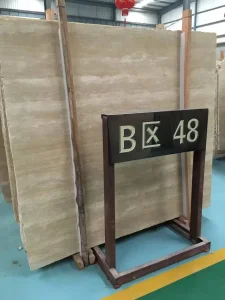
Afghanistan holds a tremendous wealth of premium geological reserves, including high-grade marbles (such as the famous white marble of Herat), onyx, granite, and travertine. However, decades of geopolitical shifts and limited local refining infrastructure have severely constrained the domestic processing capacity of the Afghan stone industry. While raw stone block mining is active, finishing operations lack advanced high-tech machinery, quality standardization, and specialized chemical resins necessary to manufacture architectural-grade building materials.
As the country initiates key infrastructure, commercial urban revitalization projects, and housing developments in cities like Kabul, Herat, Kandahar, and Mazar-i-Sharif, contractors are facing a critical gap in finding high-performance stone panels, flexible stone veneers, and durable roofing components. This mismatch between massive local construction demand and limited technological refinement capacities has driven Afghan buyers to heavily rely on specialized direct-to-factory Chinese exporters. Modern projects require materials that can withstand intense UV indices, high dry winds, and extreme diurnal temperature variations typical of the region.
On a global level, the architectural stone material industry is experiencing a profound transition away from traditional heavy stone slabs toward lightweight, flexible, and chemically enhanced materials. The carbon-heavy extraction and logistics of transporting heavy natural stone across long intercontinental corridors has prompted international regulators and builders to favor energy-efficient alternatives. This includes Modified Clay Materials (MCM) and polyurethane (PU) stone replicates.
These global trends are highly relevant to the landlocked geography of Afghanistan. Standard stone slabs present massive transit challenges and high breakage rates when navigated through mountain passes from regional ports. Engineered stones, flexible veneers, and stone-coated metallic roofing systems provide the exact physical properties demanded by contemporary civil engineering: reduced structural dead loads, simplified seismic design requirements, minimal transportation carbon footprint, and superior thermal insulation ratings. Importers who align their product procurement with these structural innovations stand to capture the highest margins in the rebuilding market.
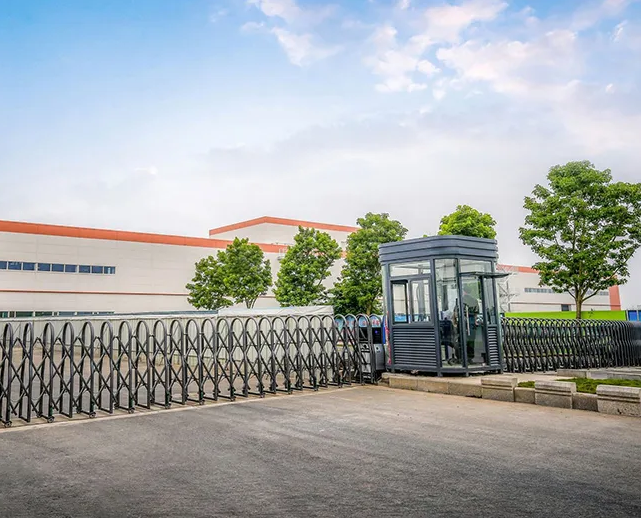
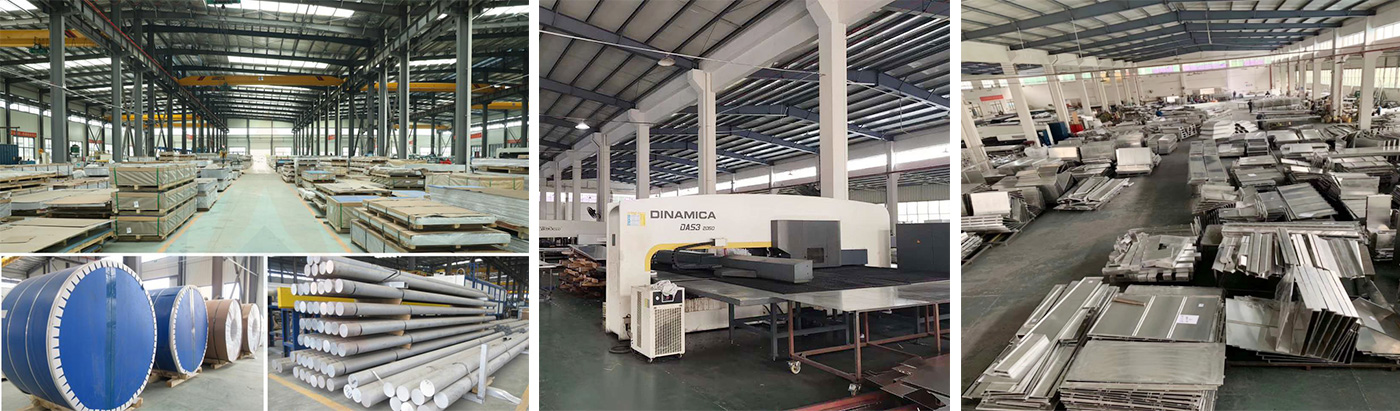
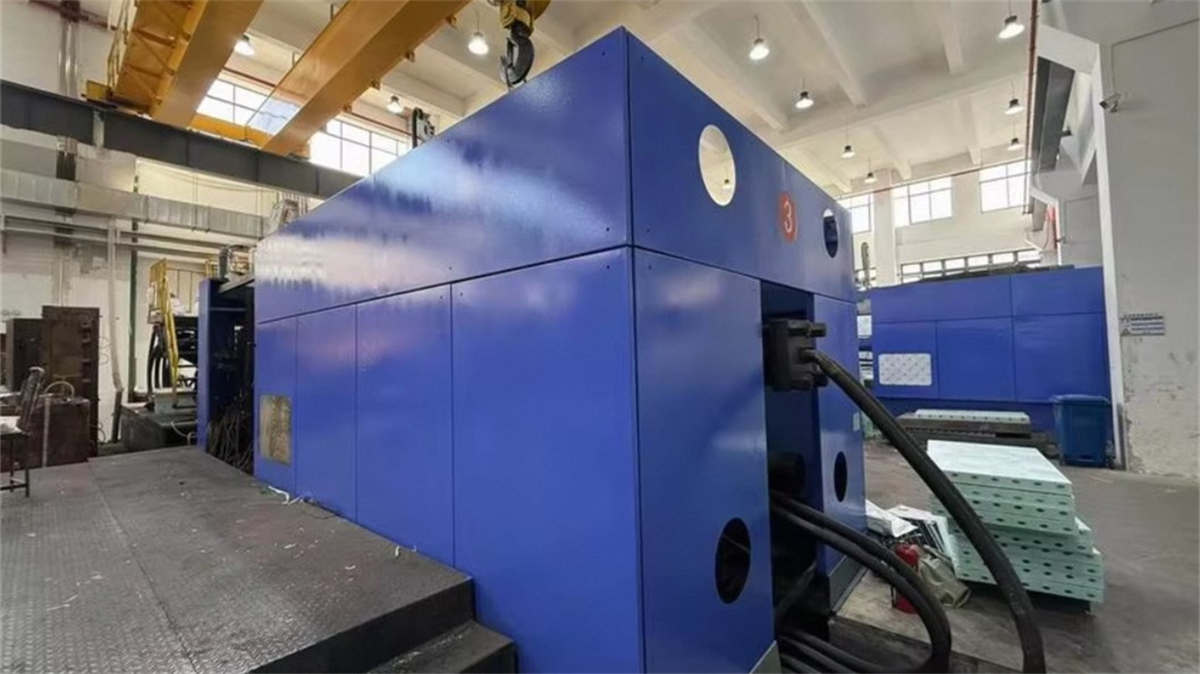
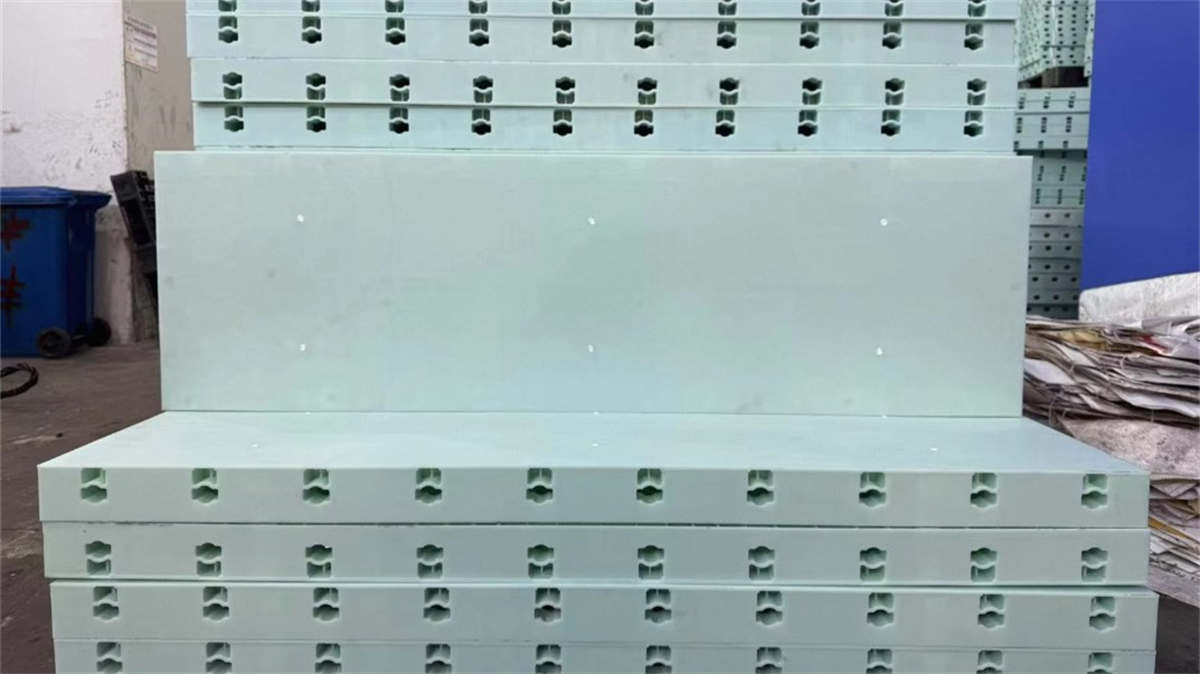
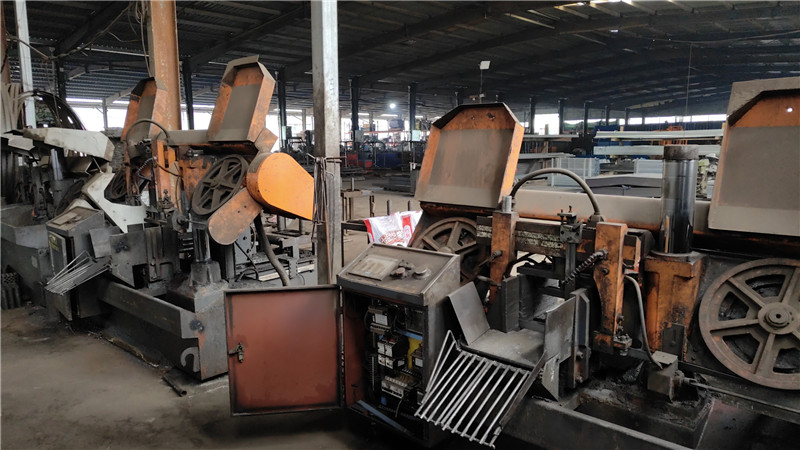
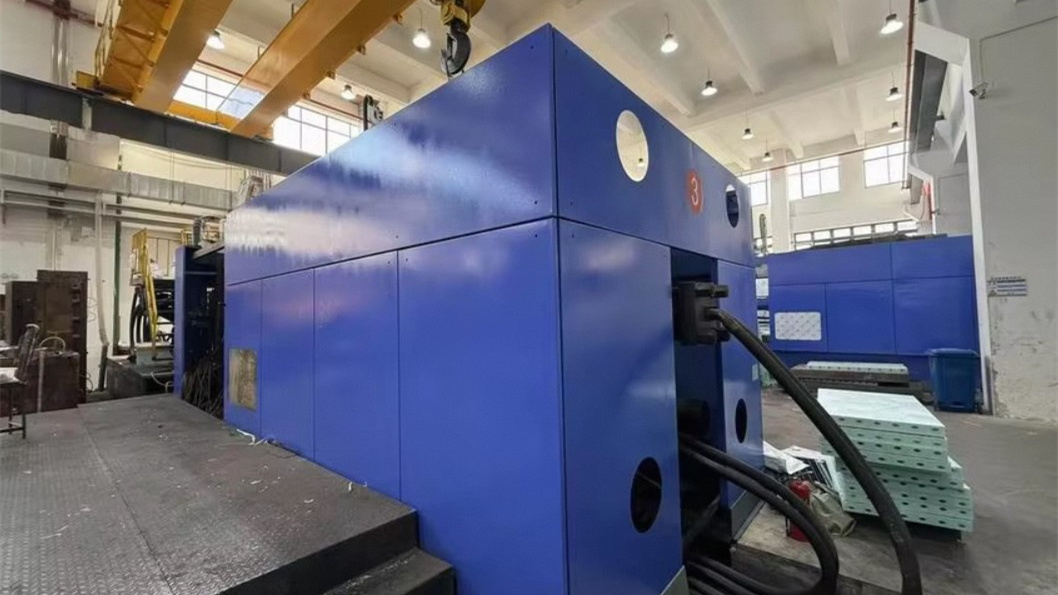
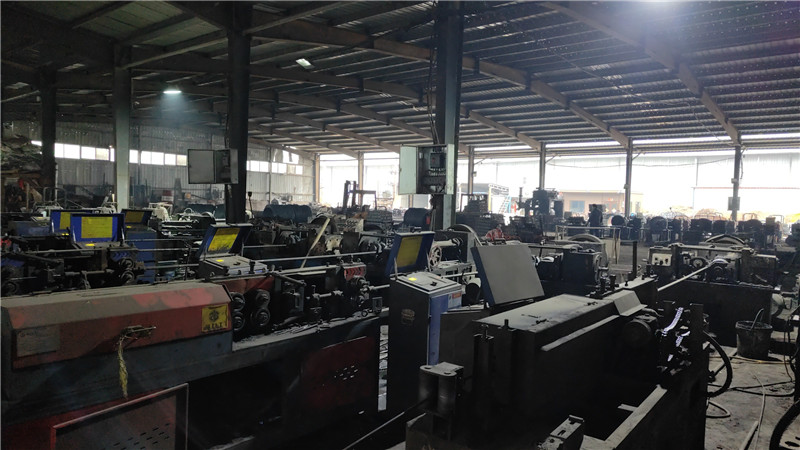
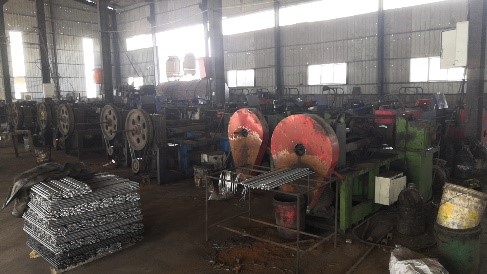
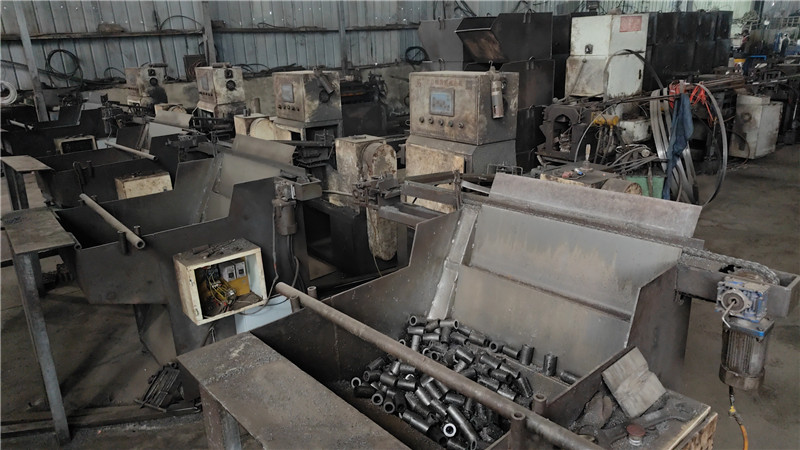
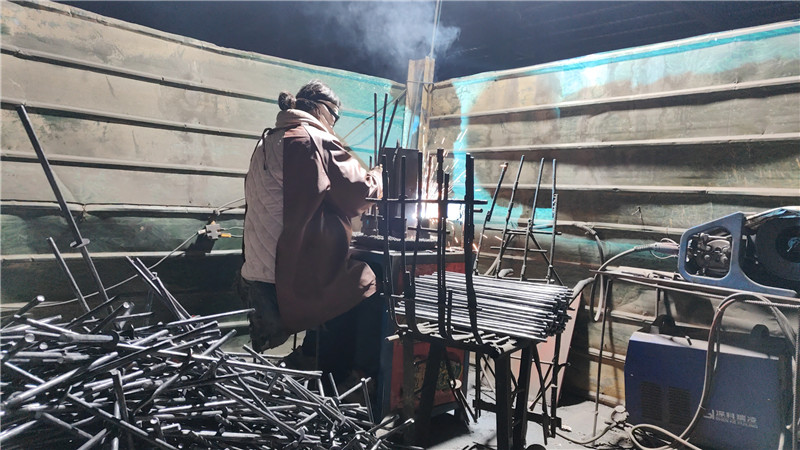
Established for more than 10 years, PEKA Building Materials produces, sells, and develops customized building materials products such as aluminum curtain walls, aluminum ceilings, aluminum honeycomb panels, aluminum air-conditioning covers, and aluminum perforated panels. As a premier curtain wall manufacturer based in Hebei, China, we operate a production area of 8,000 square meters, powered by a dedicated team of over 100 industrial professionals. We operate large-scale high-precision machinery designed to deliver exact structural tolerances required by international architectural standards.
Founded in 2009 and covering a total site footprint of 10,000 square meters, PEKA is a pioneer in the production of metal decorative and cladding materials in China. With over a decade of manufacturing experience, our annual sales volume has reached 160 million yuan, with annual shipment volumes exceeding 580,000 square meters. We specialize in turning architectural designs into reality, helping structural engineers and purchasing managers configure building systems that survive the harshest outdoor climates.
Why PEKA's manufacturing pipeline in Hebei offers unprecedented quality-cost balance for major Afghan reconstruction contracts.
Years of intensive research and development in metal building components and composite stone-metal integration have earned our brand prestigious recognition inside China and across regional export markets. We maintain strict quality management system audits to ensure every panel conforms to rigorous testing specifications. Our materials are highly preferred for commercial structures requiring decade-long finish stability.
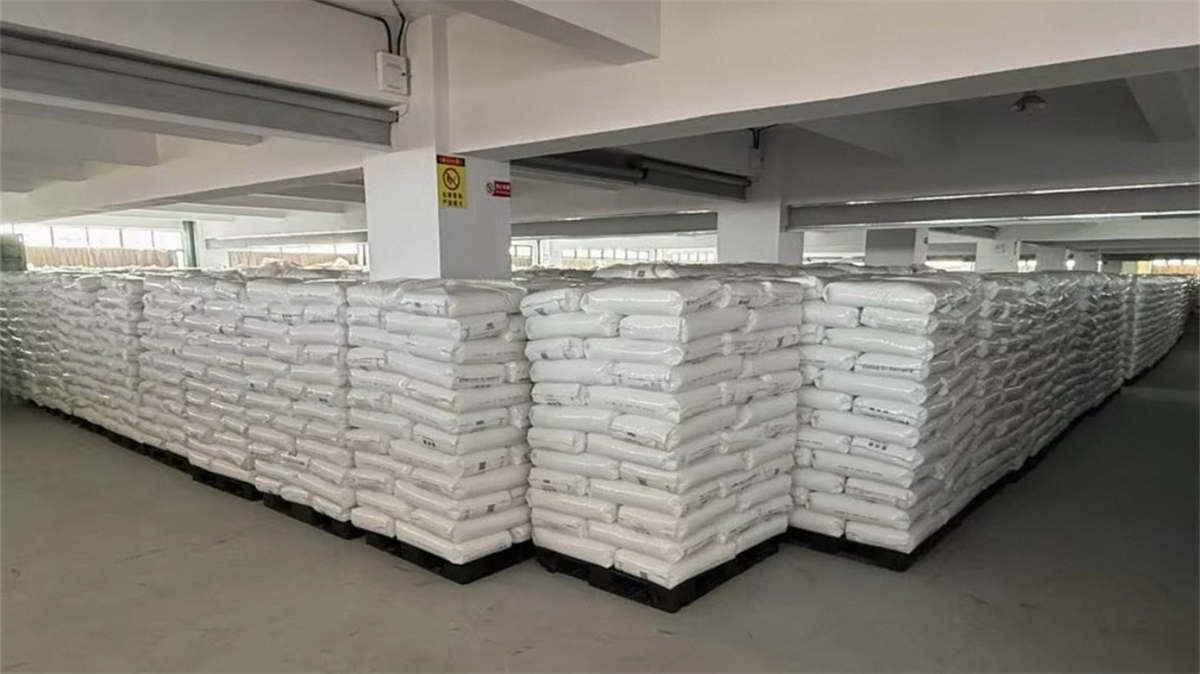
We source raw inputs from global chemical and metallurgical pioneers to ensure that all our composite materials exhibit high structural stability, resistance to environmental degradation, and long paint-retention life. Our supply chain utilizes:
Our deep-level commercial integrations allow us to manufacture high-spec materials at scale while maintaining optimal price points. This cost-efficiency allows Afghan project managers to access materials that match European testing standards at fractions of the market rate, protecting project budgets while elevating build quality.
Analyzing engineered performance across key construction environments in Kabul, Kandahar, and regional provinces.
| Regional Construction Application | Geological & Climate Challenges | Recommended Material System | Engineered Benefits |
|---|---|---|---|
| Commercial Facades in Kabul | Extreme UV degradation, high dust storm abrasion, seismic activity. | Flexible Artificial MCM Stone Tiles / PU Granite Panels | Will not crack under sudden shifts, resists color fading, high sand abrasion durability. |
| Historical Preservation & Heritage Sites | Maintaining aesthetic authenticity without adding heavy load stress. | Polished Beige Travertine / Soft Stone Fabrics | Delivers natural finishes with minimal structural weight, safeguarding fragile bases. |
| High-End Residential Developments | Severe winter cold and hot summer desert temperatures. | Metal Shingles Stone Coated Roofing Systems | Excellent insulation properties, reduces HVAC load, resists severe snow load and wind lift. |
| Public Infrastructure & Museums | High visitor traffic, fire hazard containment, moisture seepage. | Conservation-Grade Flexible Stone Veneer | Class A fire rating, waterproof backing, maintains air quality via zero-VOC formulation. |
Discover our complete collection of high-performance architectural materials, built to satisfy international quality guidelines.
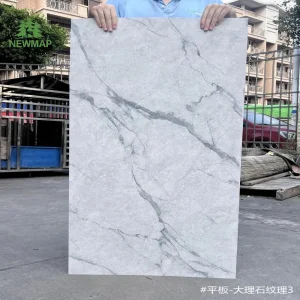
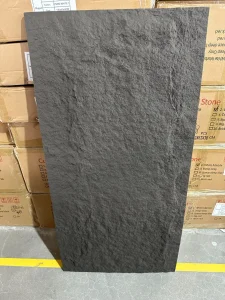
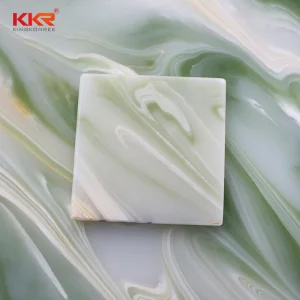
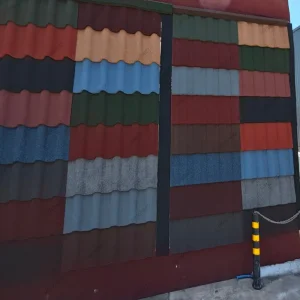
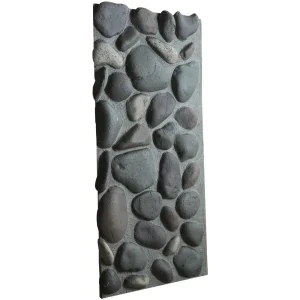
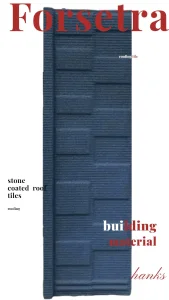
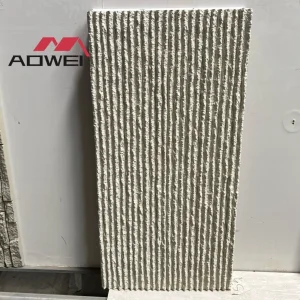
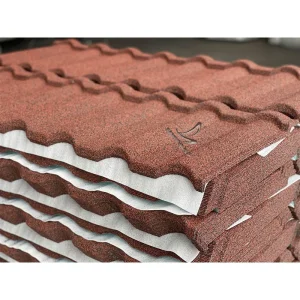
How technological shifts are restructuring architectural demands across Central & South Asia.
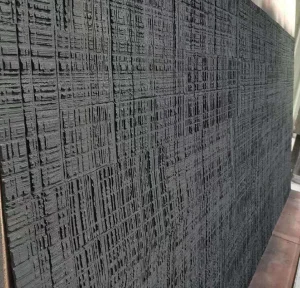
Traditional rigid masonry is increasingly replaced by flexible polymer-modified earth materials. This shift prevents micro-cracking caused by structural settling, thermal expansion, and seismic stresses, making it perfect for rapid urban reconstruction.
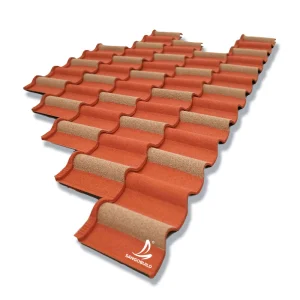
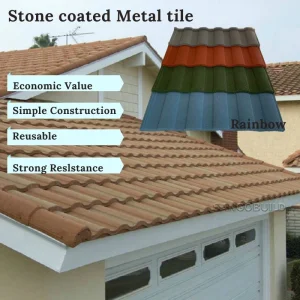
Metal tiles coated with basaltic stone chips are replacing heavy clay or plain corrugated sheets. They deliver thermal deflection, dampen acoustics during heavy rainfall, and survive intense snow loads in alpine provinces.
Modern architectural codes prioritize insulation layers that decouple the building's structural concrete core from ambient heat. Our lightweight PU panels act as reliable barriers, lowering cooling power consumption.
Frequently asked questions by commercial contractors, importers, and architects ordering stone materials for Afghanistan.
Direct-to-factory prices, audited quality certifications, and custom material sizing for your next regional project.
 PEKA Build Materials