PEKA Build Materials
1 / 5
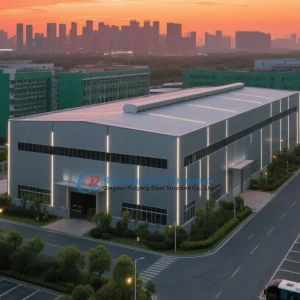
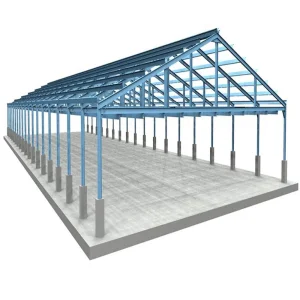
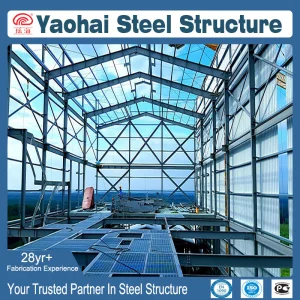
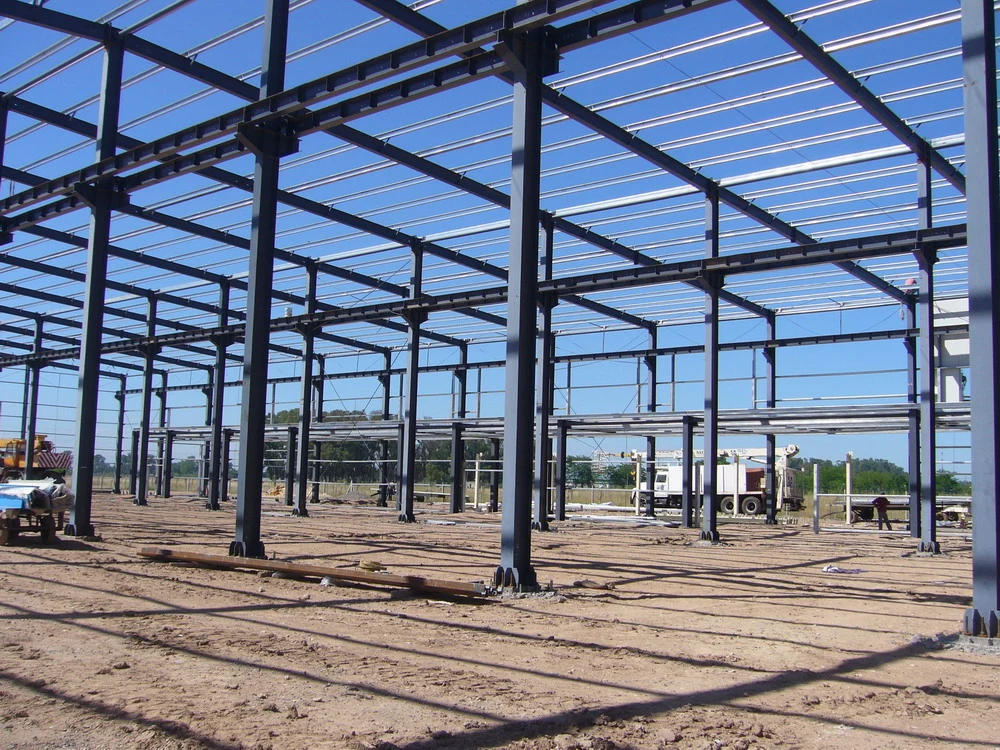
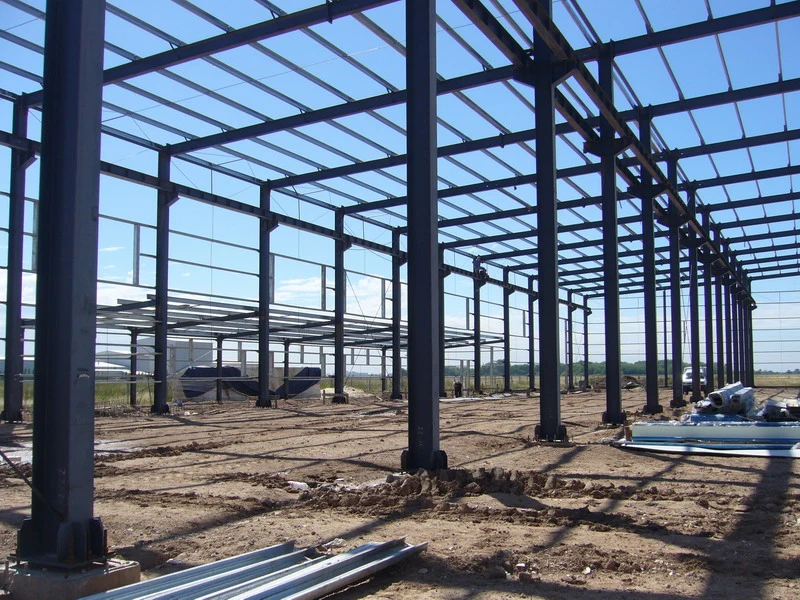
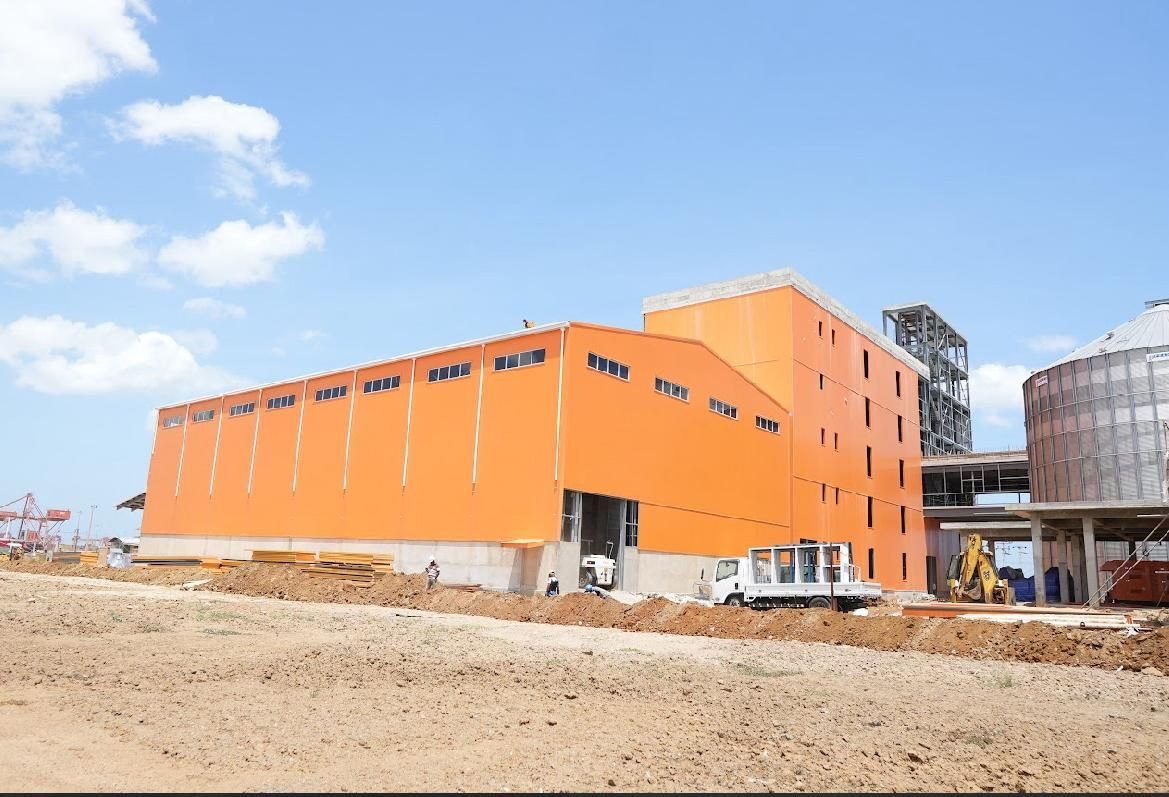
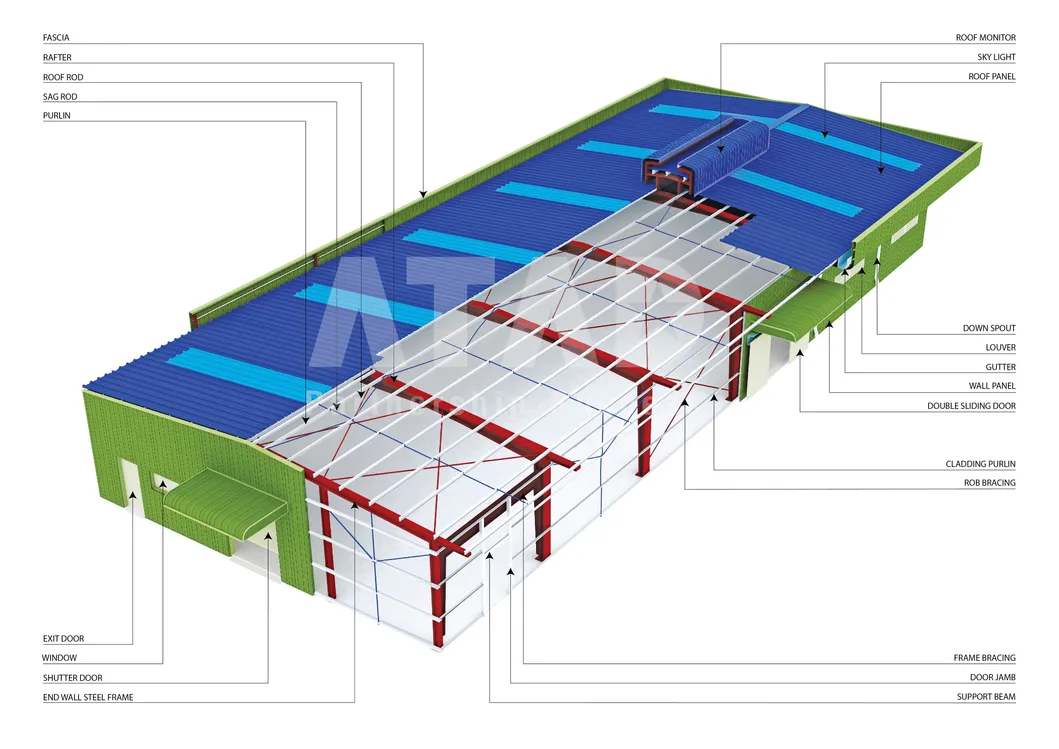
Pre-engineered steel buildings are structural systems built over a structural concept of primary members, secondary members, roof, and wall sheeting connected to each other. These buildings can be customized with various additions such as skylights, turbo vents, mezzanine floors, crane systems, and insulation based on specific requirements.
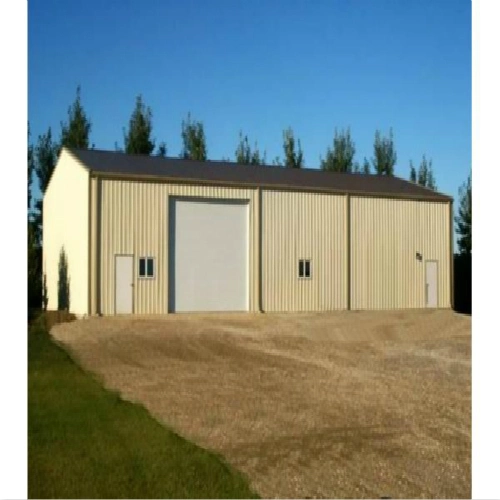
Factories, Workshops, Warehouses, Cold Storages, Steel Mills, Assembly Plants.
Showrooms, Supermarkets, Offices, Shopping Centers, Exhibition Halls, Restaurants.
Schools, Hospitals, Conference Halls, Laboratories, Museums, Stadiums.
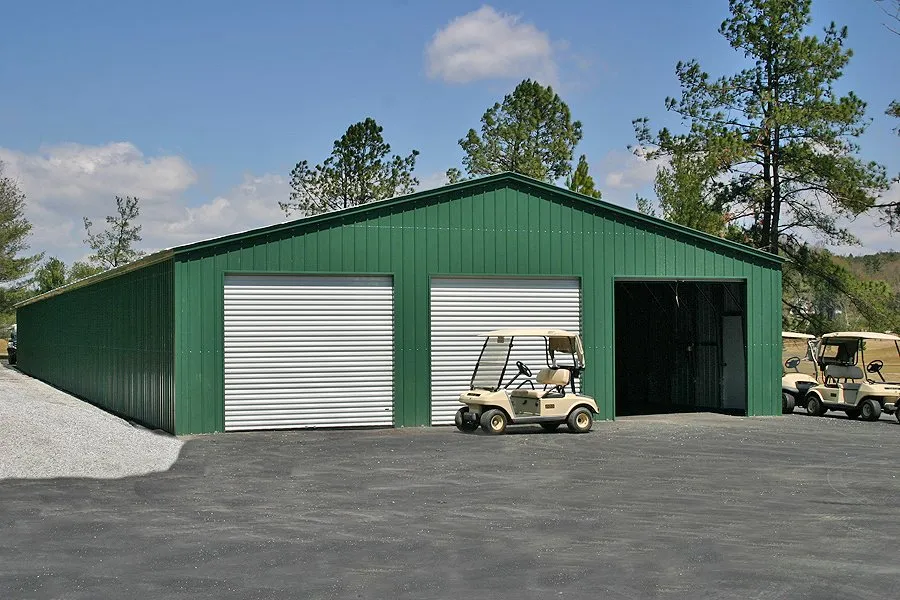
Farms, Utility Shelters, Pump Stations, Aircraft Hangars, Airport Terminals.
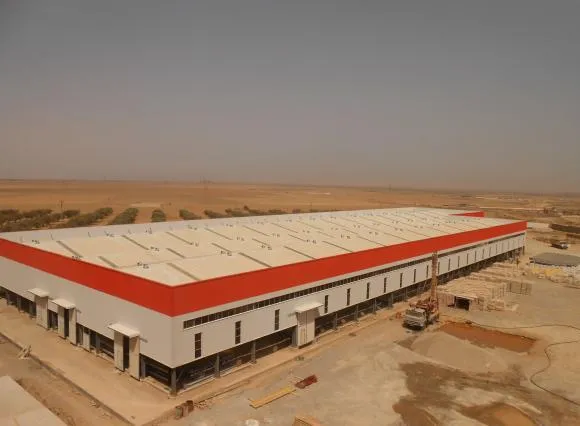
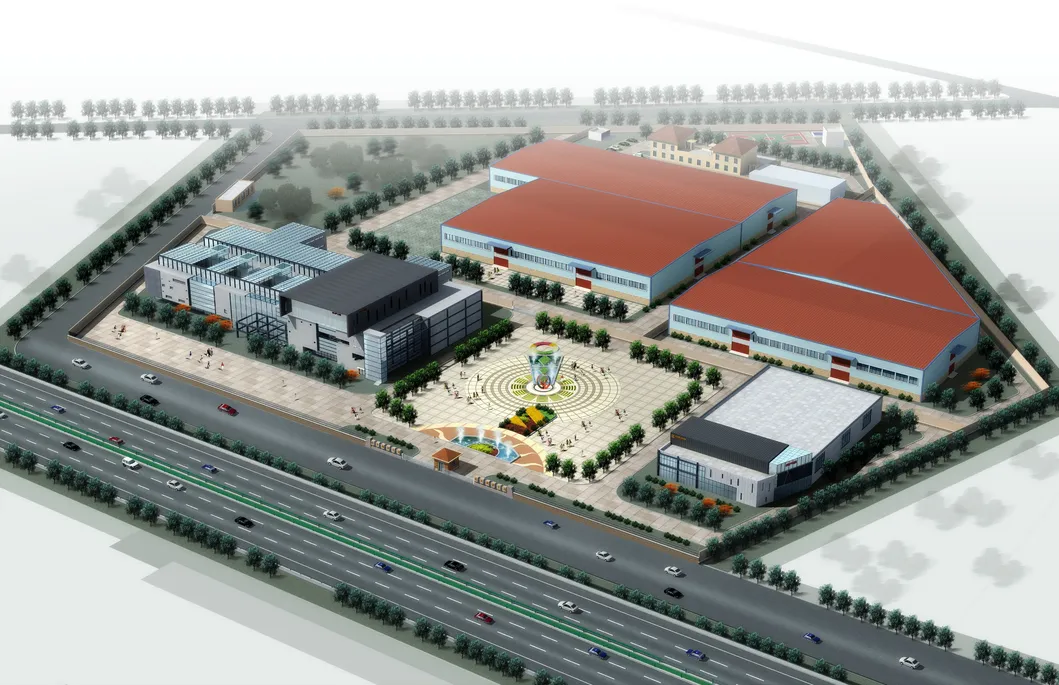
Price per square meter can be 25%-30% lower than conventional buildings with low site erection costs.
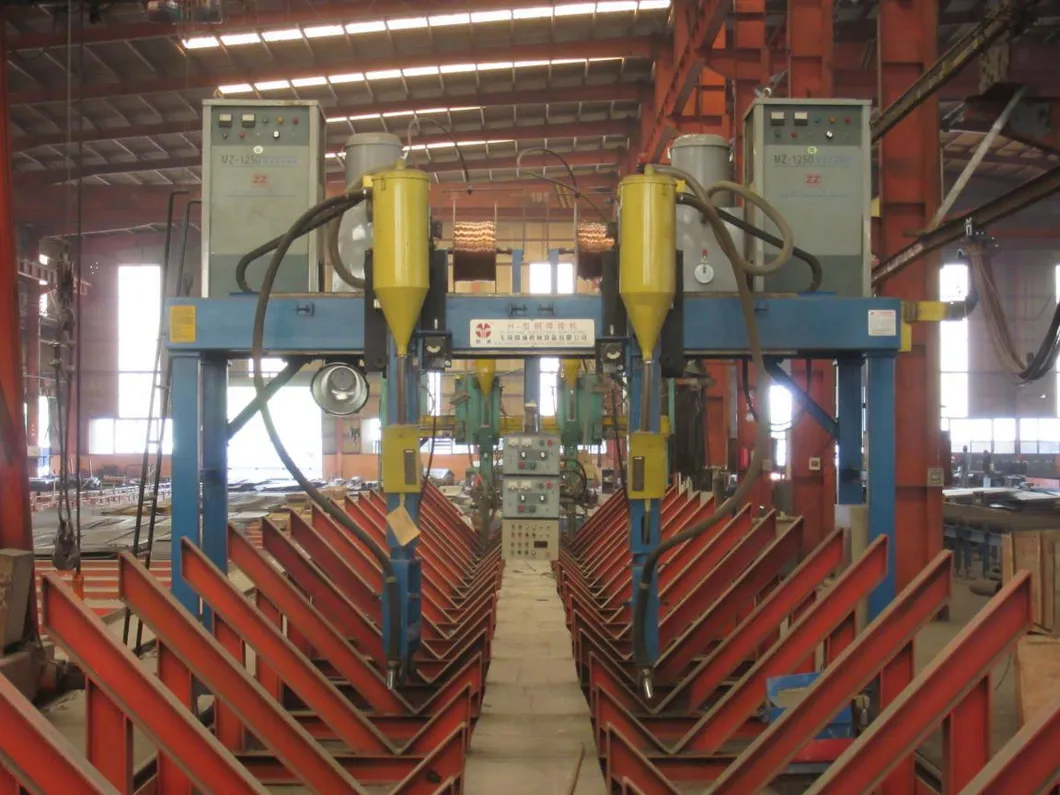
All components are factory-fabricated. Requires 60% less construction time compared to traditional concrete.
Easily expandable and flexible in design requirements with low transportation costs.
A green solution with CO2 reduction, high recyclability, and excellent energy efficiency.
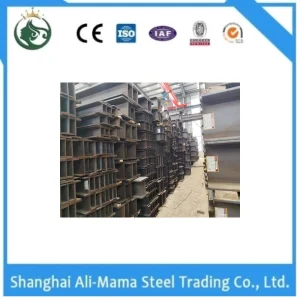
Includes columns, rafters, and supporting members that carry the main load.
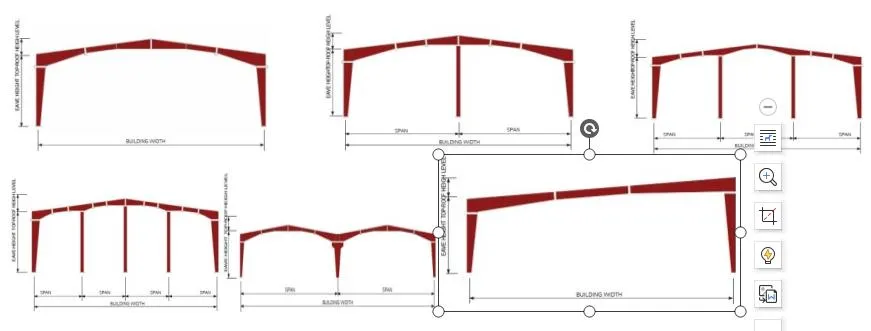
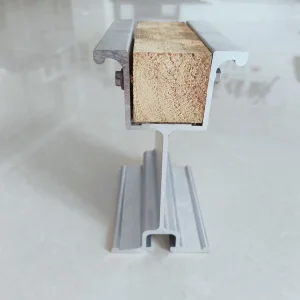
Cold-formed parts like purlins, girts, eave struts, and bracing with high yield strength (345 MPa).
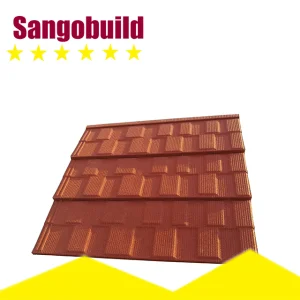
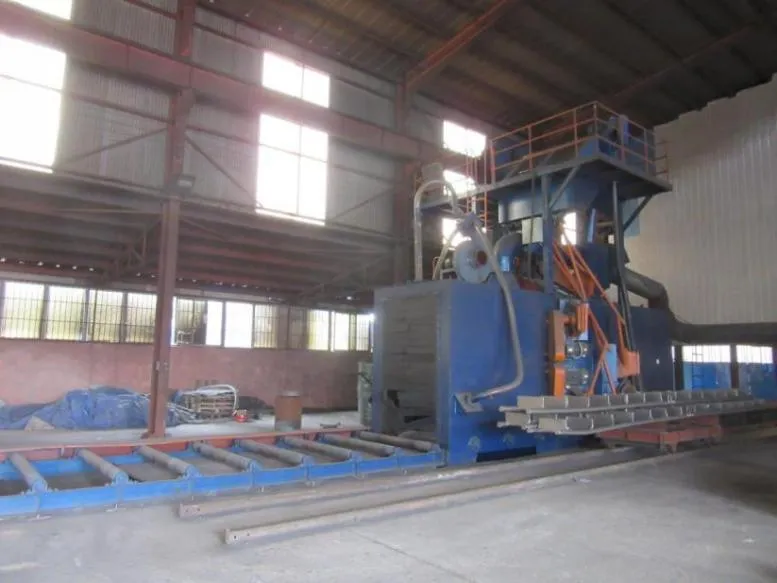
Galvanized steel panels (0.3mm - 0.6mm) with corrosion-resistant primer and top coats.
| Material Component | Specifications | Yield Strength |
|---|---|---|
| Built-up Plates | GB/T1591 | 34.5 kN/cm² |
| Hot Rolled Beams | GB/T11263 | 23.5 kN/cm² |
| Cold Form Galvanized | GB/T 2518 | 45.0 kN/cm² |
| Roof/Wall Panels | GB/T12754 | 34.5 kN/cm² |
| High Strength Bolts | GB/T 1228 | 72 to 83 kN/cm² |
A: PEB is a structural system where components are factory-designed and fabricated to exact specifications, then assembled on-site using bolted connections. It includes primary frames, secondary members, and cladding.
A: Generally, pre-engineered steel buildings are 25% to 30% more cost-effective. Savings come from reduced material waste, lower labor costs, and significantly faster construction timelines.
A: Yes, they are designed according to international load codes (like GB50009). They account for wind loads, snow loads, and seismic activities, ensuring high durability and safety.
A: Steel buildings require very low maintenance. The galvanized and painted surfaces provide excellent corrosion resistance, and the structural integrity remains stable for decades.
A: Absolutely. PEBs are highly flexible. Crane systems, mezzanine floors, and roof monitors can all be integrated into the custom design based on your specific operational needs.
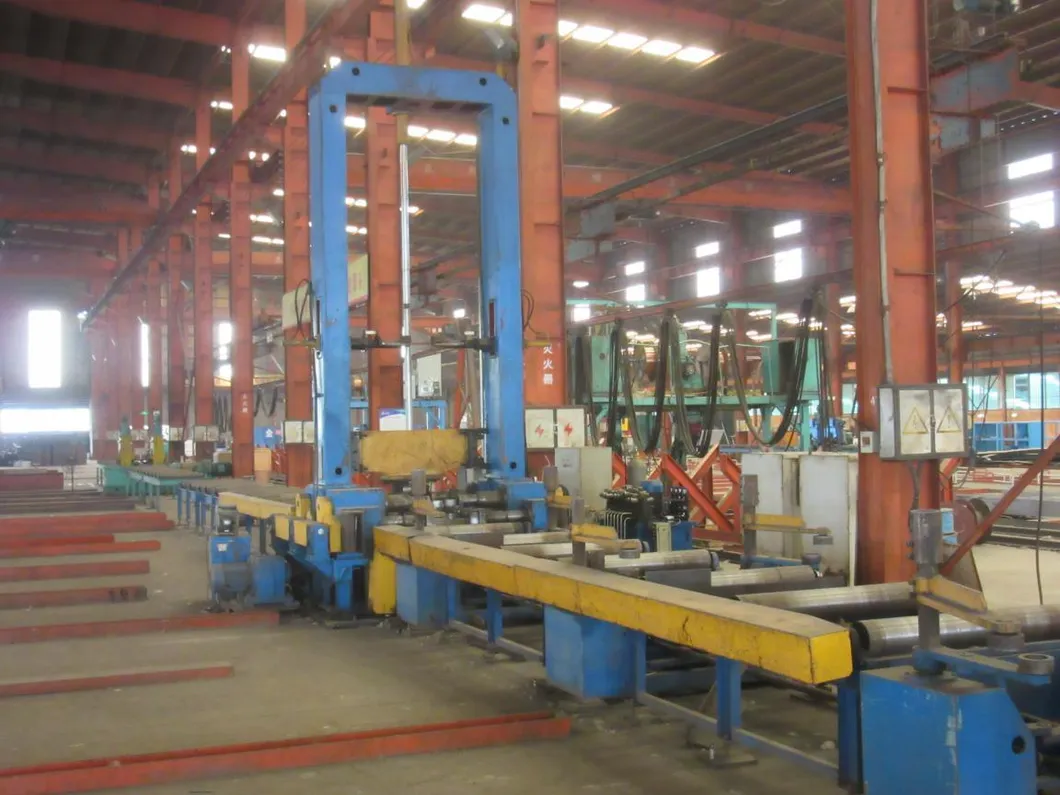
A: With a production capacity of 2000 tons per month and automated CNC machinery, fabrication is highly efficient. Timelines depend on project scale but are significantly faster than traditional methods.