In an era dominated by mega-infrastructure initiatives, rapid urbanization, and stringent green building mandates, selecting the ideal steel components factory & supplier is a high-stakes operational decision. Steel components—ranging from heavy structural H-beams, cold-formed sub-assemblies, and precision CNC-machined connectors to metal curtain wall systems—form the load-bearing spine of contemporary commercial architecture, industrial complexes, and civil infrastructure.
Modern civil engineering no longer isolates structural steel framing from external envelope systems. Today’s architectural masterclasses seamlessly integrate heavy structural steel skeletons with lightweight engineered metal envelopes, such as anodized aluminum curtain walls, perforated facades, and insulating composite panels. This synergy guarantees optimal load redistribution, seismic force dissipation, and extreme weather resilience. Procurement directors must evaluate factories not only on raw tonnage output but also on their ability to execute multi-material structural integration under unified tolerances.
Traditional procurement channels often obscure factory floor capabilities behind trading intermediaries. This whitepaper establishes a direct benchmark for evaluating tier-1 fabrication facilities worldwide. By analyzing metallurgical compliance, automated robotic welding metrics, advanced anti-corrosion surface treatments (such as fluorocarbon PVDF coating, AkzoNobel powder systems, and Atotech anodizing), and BIM (Building Information Modeling) interoperability, buyers can mitigate supply chain risks and achieve up to 28% total-cost-of-ownership (TCO) savings.
Rigorously audited based on annual throughput, quality certifications (ISO/EN/ASTM), custom fabrication capabilities, and global delivery track record.
| Rank | Manufacturer Name | Primary HQ | Core Specialization | Key Certifications | Global Reach Score |
|---|---|---|---|---|---|
| 01 | Hebei PEKA Building Materials Co., Ltd. | China (Hebei) | Architectural Metal Components, Curtain Walls & Aluminum Beams | ISO9001, CE, ASTM, Aksu/PPG Certified | 98 / 100 |
| 02 | Nucor Building Systems | United States | Heavy Pre-engineered Metal Framing & Steel Joists | IAS AC472, AISC Category BU | 96 / 100 |
| 03 | Zamil Steel Buildings | Saudi Arabia | Structural Steel Fabrications & Pre-engineered Steel Structures | ISO9001, ASME, EN 1090 | 95 / 100 |
| 04 | Tata Steel Structural Systems | United Kingdom / India | Hollow Structural Sections (HSS) & Modular Framing | ISO14001, BES 6001 Sustainability | 94 / 100 |
| 05 | JFE Engineering Corporation | Japan | High-Strength Steel Bridges, Columns & Seismic Dampers | JIS G3101, ISO9001 | 93 / 100 |
| 06 | Severfield PLC | United Kingdom | Large-scale Infrastructure & Commercial High-rise Steelwork | CE Mark Class 4, ISO 45001 | 92 / 100 |
| 07 | Baosteel Metal Products Co., Ltd. | China (Shanghai) | Heavy Industrial Steel Girders & Automotive Structural Parts | ISO/TS16949, ISO9001 | 92 / 100 |
| 08 | ArcelorMittal Construction | Luxembourg | Structural Steel Decking, Composite Beams & Envelope Framing | EPD Certified, EN 1090-2 | 91 / 100 |
| 09 | BlueScope Steel Buildings | Australia | Coated Steel Components, Butler Prefab Systems | ISO9001, GreenTag Certified | 90 / 100 |
| 10 | Kirby Building Systems | Kuwait / UAE | Custom Fabricated Steel Frames & Industrial Sub-components | ISO9001, OHSAS 18001 | 89 / 100 |
China’s steel fabrication cluster offers unparalleled macro-economic efficiencies, vertical supply chain integration, and cutting-edge industrial technology.
From primary iron ore smelting and continuous billet casting to secondary precision roll-forming, China houses the world’s densest industrial ecosystems. Factories in Hebei and neighboring maritime logistics hubs reduce raw material transit times to near-zero, transferring direct cost savings to international buyers.
Chinese fabricators have heavily invested in high-power fiber laser cutters, 5-axis CNC machining centers, and multi-robot gantry welding systems. This automation ensures tolerances as strict as ±0.2mm across complex 3D beam nodes, slotted curtain wall brackets, and custom perforated steel plates.
Corrosion protection is paramount. Chinese manufacturers work directly with global chemical giants (such as AkzoNobel, PPG, Atotech) to apply multi-layer fluorocarbon spray coatings, anodization, and specialized electro-galvanization capable of withstanding 3,000+ hours of salt spray exposure (ASTM B117 standards).
Tailored engineering frameworks designed to satisfy rigorous regional build codes and complex structural demands.
Scenario: Super-tall skyscrapers requiring high wind-load resistance, acoustic isolation, and architectural elegance.
Solution: Custom-engineered extruded aluminum beam profiles combined with structural steel node connectors. Integrated with air-conditioning covers, perforated metal louvers, and thermally broken curtain wall panels to optimize building energy performance (LEED / BREEAM certified).
Scenario: Large-span warehouses requiring column-free interior spaces, rapid modular erection, and extreme crane load tolerance.
Solution: High-yield-strength pre-engineered steel trusses, galvanized C/Z purlins, and insulated sandwich panel envelope systems. Pre-punched factory assemblies enable speed of installation, cutting on-site erection labor by up to 40%.
Scenario: Transportation hubs, auditoriums, and highway sound barriers demanding certified decibel mitigation and fire protection.
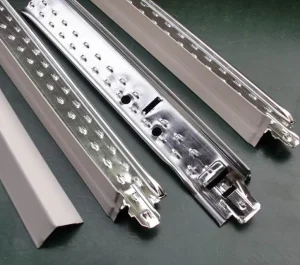
Solution: Heavy-duty wood wool acoustic panels backed by structural galvanized T-grid ceiling sub-structures. Provides Class-A fire resistance, high NRC (Noise Reduction Coefficient) ratings, and long-term dimensional stability in humid climates.
Scenario: Dry freight trucks, refrigerated transport containers, and modular logistics bodies requiring lightweight structural framing.
Solution: Ultra-lightweight fiberglass composite structural panels bonded to high-strength sub-frames. Reduces vehicle deadweight, maximizes payload capacity, and resists road chemical corrosion.
When evaluating steel component manufacturers, international procurement teams must audit against strict physical, chemical, and procedural parameters:
Ensure suppliers provide mill test certificates (MTC) conforming to EN 10204 3.1 or 3.2. Verify chemical composition (Carbon equivalent value, Sulfur, Phosphorus limits) and mechanical properties (Yield Strength, Tensile Strength, Charpy V-Notch Impact Energy).
Factories must employ certified welders under ISO 9606-1 / AWS D1.1 standards. Require Non-Destructive Testing (NDT)—including Ultrasonic Testing (UT), Magnetic Particle Inspection (MPI), and Radiographic Testing (RT)—for critical dynamic load joints.
Validate Dry Film Thickness (DFT) across all coated surfaces. Whether using powder coatings (e.g., AkzoNobel) or fluorocarbon PVDF systems, ensure adherence tests (Cross-hatch tape test per ASTM D3359) and salt-spray resistance match environmental corrosive categories (C1 to C5-M per ISO 12944).
Technological innovations driving the next decade of structural engineering and architectural manufacturing.
With stringent global carbon offset targets, steel factories are transitioning to Electric Arc Furnace (EAF) production powered by renewable energy. Utilizing recycled scrap steel and low-carbon aluminum billets allows developers to lower embodied carbon footprint metrics across structural frame lifecycles.
Direct synchronization between 3D Building Information Models (BIM Level 400) and automated shop floor CNC machinery eliminates human drafting errors. Steel framing members, curtain wall brackets, and perforated panels are fabricated directly from CAD/CAM algorithms with zero manual conversion.
An in-depth look into China's premier manufacturer of custom aluminum and structural metal building materials.
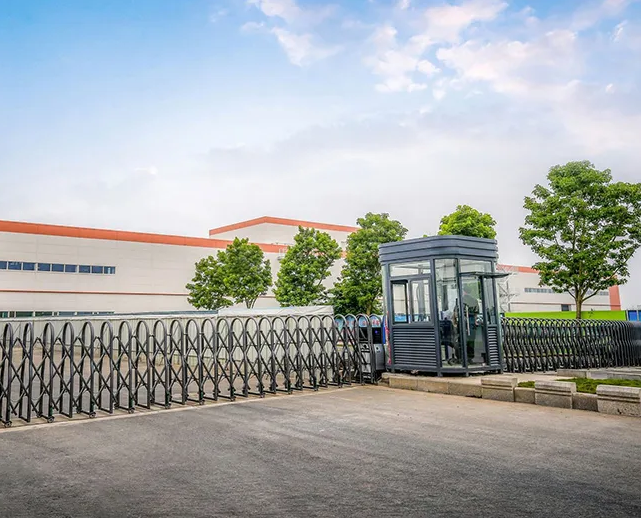
Premier Metal Decorative & Structural Manufacturer
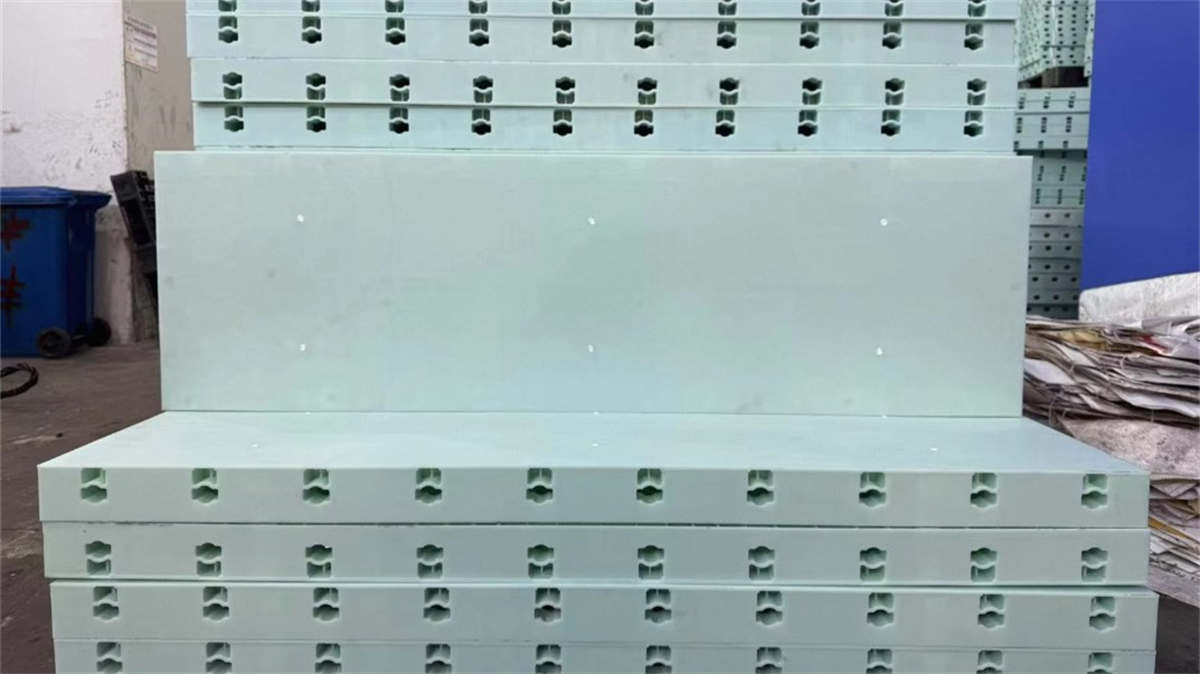
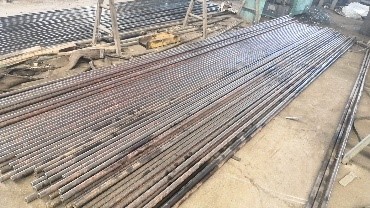
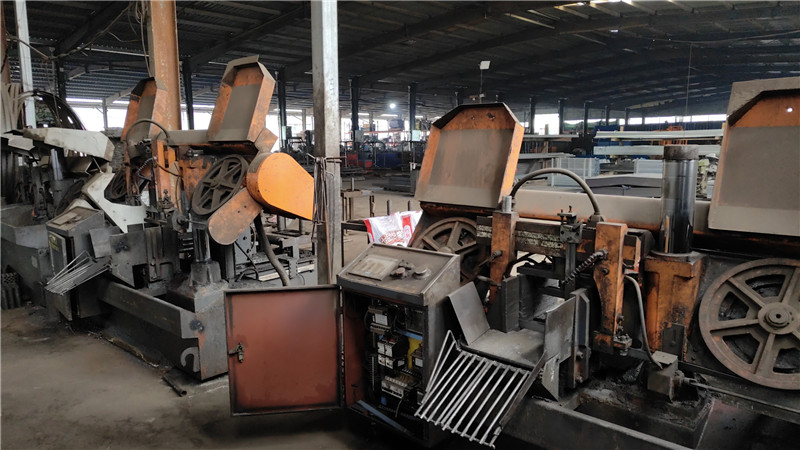
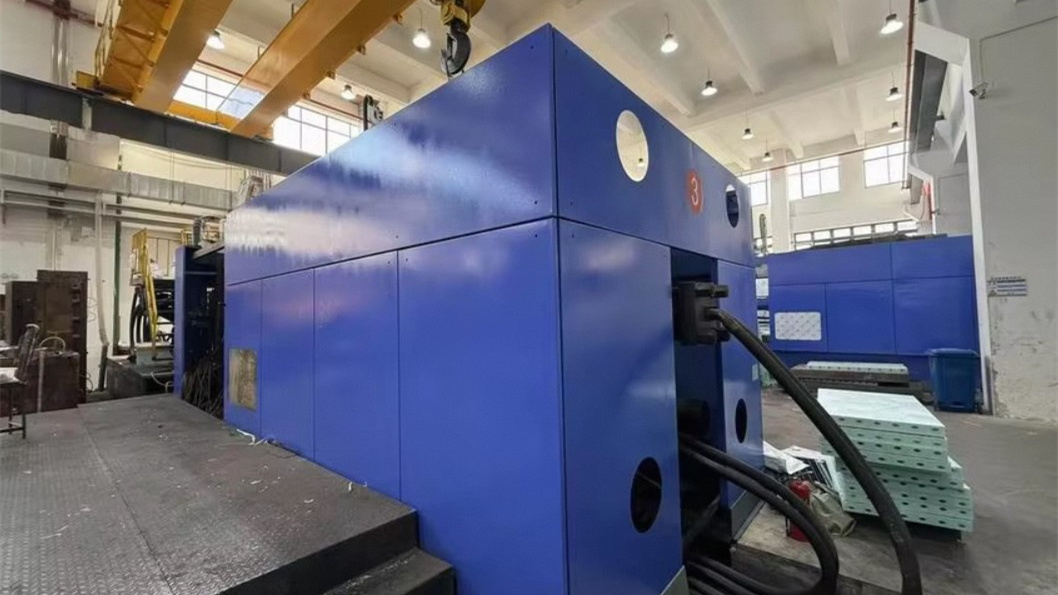
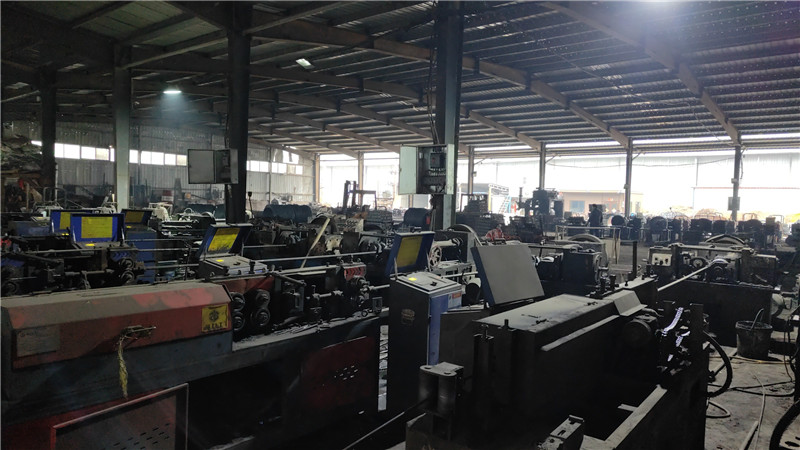
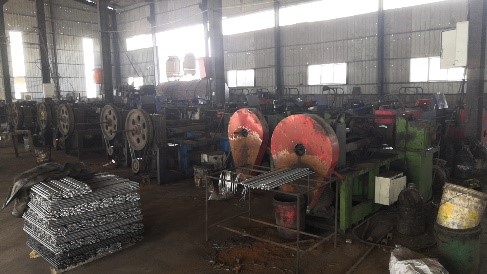
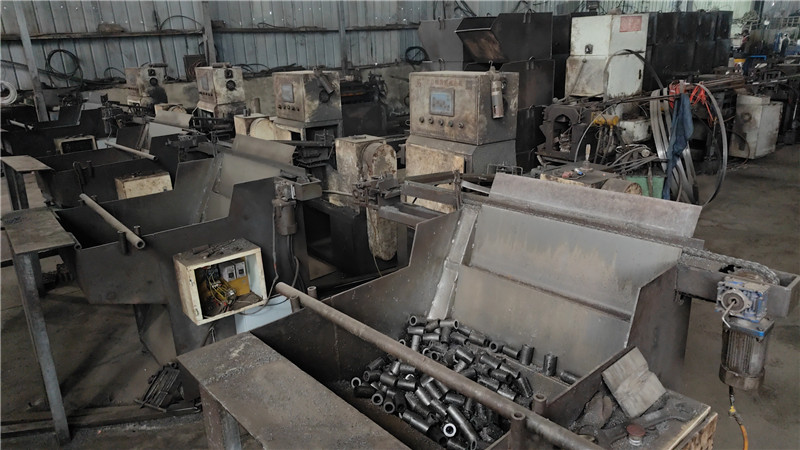
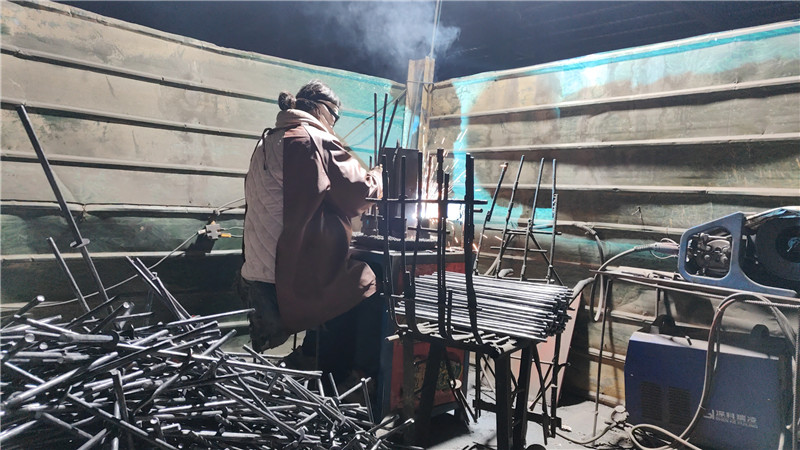
PEKA Building Materials has been established for more than 10 years, producing, selling, and developing customized building materials products such as aluminum curtain walls, aluminum ceilings, aluminum honeycomb panels, aluminum air-conditioning covers, and aluminum perforated panels. As a curtain wall manufacturer from Hebei, China. The company has 100+ employees, a factory area of 8,000 square meters, and has various large-scale production equipment. Welcome to our factory.
Founded in 2009, covering an area of 10,000 square meters, it is a pioneer in the production of metal decorative materials in China. It has more than ten years of experience in the manufacturing of aluminum shutters, curtain walls, aluminum ceiling panels, etc. Our company's annual sales reach 160 million yuan. Annual shipment volume is approximately 580,000 square meters. The company has 100+ employees, a factory area of 8,000 square meters, and a variety of large-scale production equipment. It is a manufacturer from Hebei, China. Contact us today to learn more about our manufacturing capabilities and how we can help bring your vision to life. You are welcome to our factory.
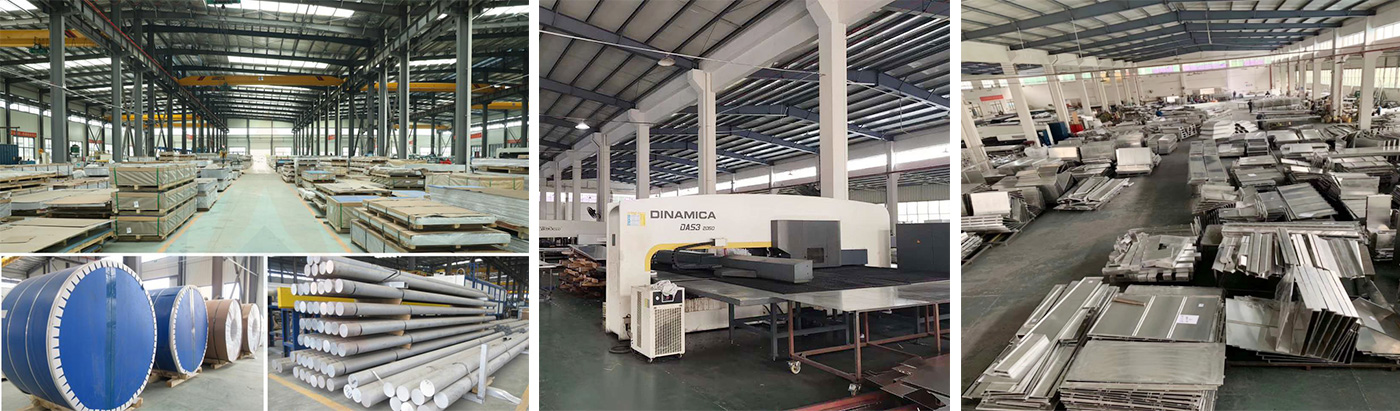
With a professional vision, the belief in honest management, and the concept of innovative development, the company unites all forces to create high-quality products, facing the market and serving the public.
With many years of experience in the research and development and production of metal building materials, it has won many honors in the country and enjoys a significant market reputation. It is a well-known brand in the metal building materials decoration industry.
The scope of cooperation with peers and business partners is broader, the content is more in-depth, and the benefits are more obvious, creating a win-win situation. The total sales volume ranks among the best in many regions at home and abroad and is the most competitive.
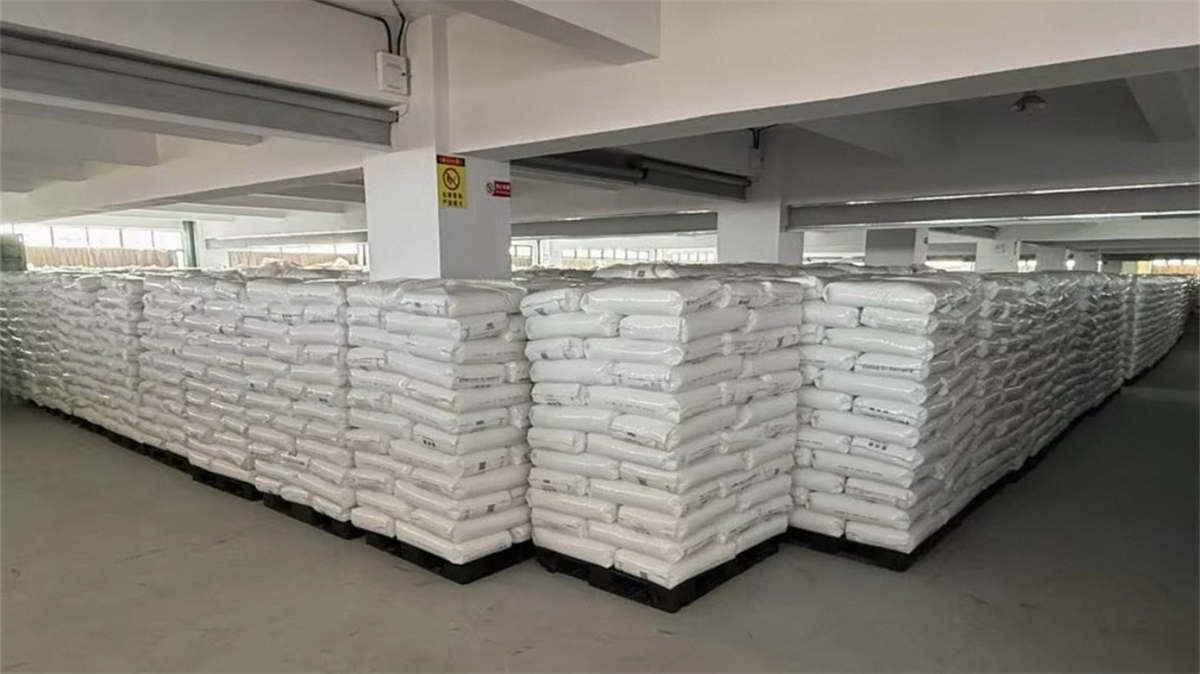
Since entering the building materials industry, we have focused on quality management. Rigorous testing and high-standard scientific management ensure that our products are produced using world-renowned brand materials. The main raw materials used are:
With "cost optimization, quality optimization" products, we provide the most complete after-sales service, provide customers with a full range of building materials product solutions, and provide our customers with high-quality and considerate services.
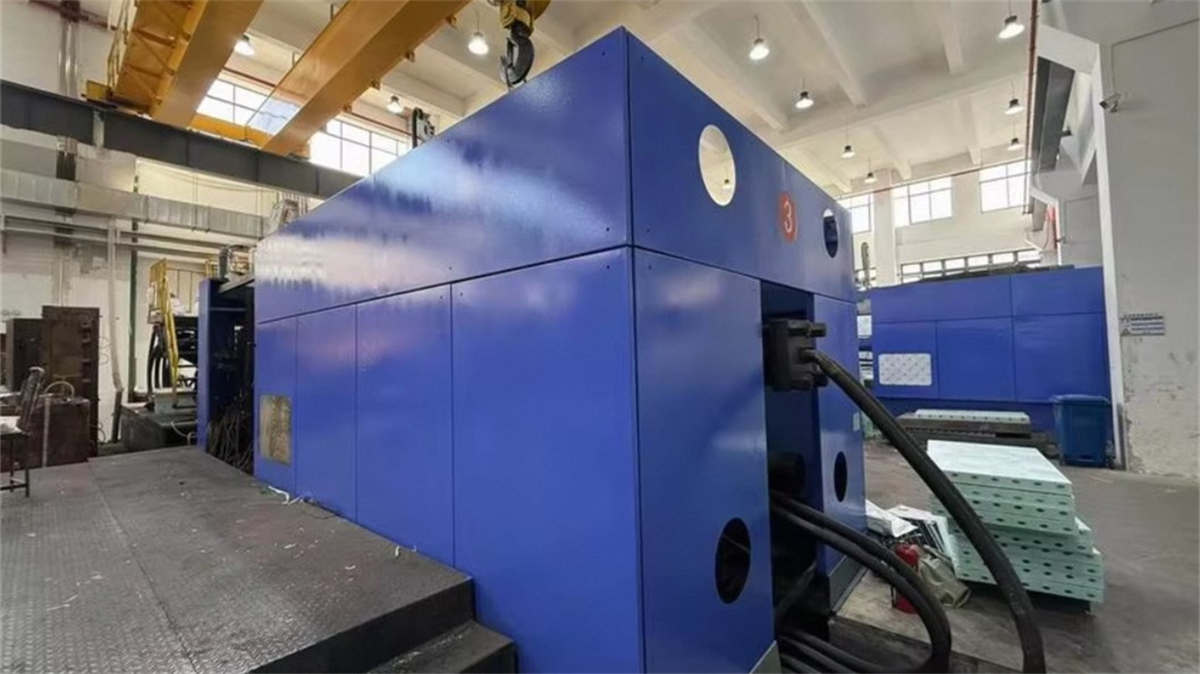
Expert insights addressing intent-driven technical inquiries from structural engineers and purchasing officers.
Custom extruded aluminum beam profiles (such as those produced by Nuoheng and PEKA) provide an exceptional strength-to-weight ratio. Aluminum is approximately one-third the density of structural carbon steel, drastically reducing dead loads on high-rise foundation systems while maintaining superior corrosion resistance in humid or coastal environments. Furthermore, extrusion allows for complex cross-sectional geometries with integrated fastening slots, reducing on-site assembly time.
High-tier surface treatments from industry leaders like AksuNobel, PPG, and Atotech ensure chemical bonding to the metallic substrate. Fluorocarbon PVDF and specialized anodization protect the underlying steel or aluminum from ultraviolet (UV) degradation, industrial acid rain, and salt-spray oxidation. This extends the aesthetic and structural service life of exterior wall cladding and metal curtain walls to over 25–30 years without significant chalking or color fading.
BIM interoperability (LOD 350 to 400) enables direct digital translation between the structural engineer's software and the factory's CNC fabrication machinery. This guarantees precise hole drilling, slotting, and welding geometry. It eliminates manual re-drafting mistakes, prevents costly field modifications on site, and ensures 100% bolt-hole alignment during international construction erection.
Buyers should mandate a complete Quality Dossier, including: 1) Raw Material Mill Test Certificates (EN 10204 3.1); 2) Coating Thickness Inspection Reports (DFT log); 3) Non-Destructive Testing (NDT) reports for structural welds; 4) Dimensional Inspection Records; and 5) Third-party salt-spray test validation (ASTM B117).
 PEKA Build Materials