For global EPC contractors, architects, and industrial procurement managers, finding high-performance synthetic materials represents the foundation of project durability and compliance.
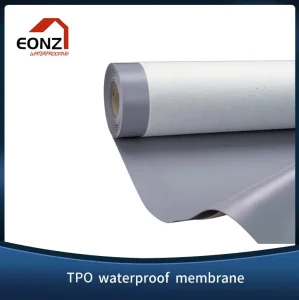
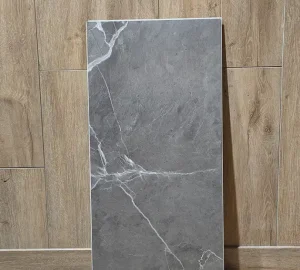
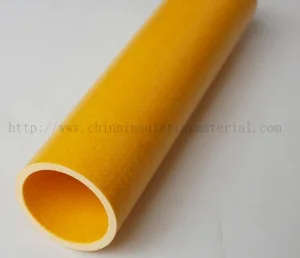
Modern building initiatives rely heavily on synthetic compounds, chemical additives, and advanced metallic alloys to satisfy structural, thermal, and regulatory demands. The transition from organic raw materials to highly optimized synthetic composites (such as WPC interior panels, pultruded FRP profiles, and TPO roofing membranes) has redefined construction longevity and sustainability. In an era dominated by strict environmental regulations and fluctuating material supplies, global enterprises need manufacturers that not only offer cost efficiencies but also meet rigorous certification standards.
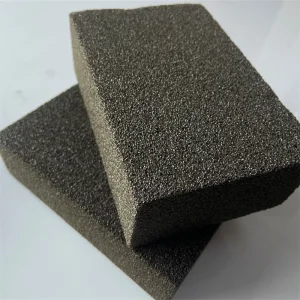
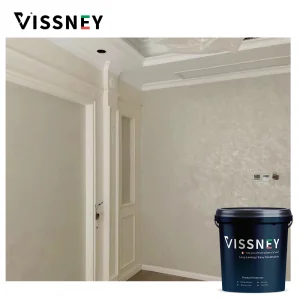
Selecting a premier partner in the synthetic material segment involves evaluating their material science expertise, manufacturing scale, and raw material sourcing. From polycarboxylic superplasticizers that optimize concrete flowability to lightweight hollow glass microspheres used in high-performance thermal insulation paints, industrial operations require precise compound formulations. This guide evaluates the leading synthetic materials manufacturing operations, emphasizing compliance, supply chain agility, and technological innovation.
Over a decade of engineering excellence in custom metal components and decorative architectural systems.
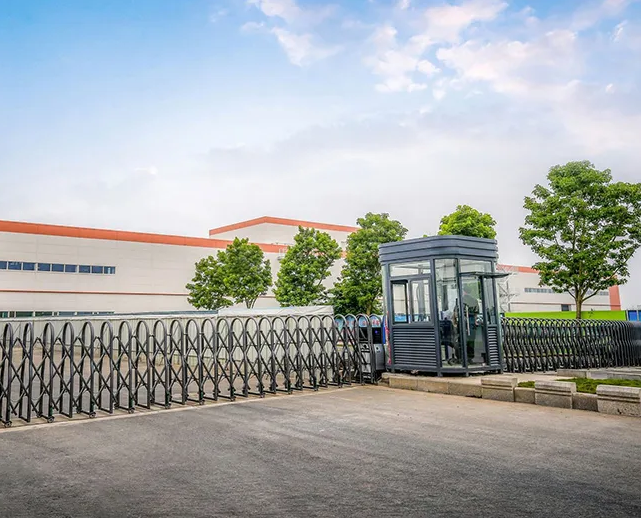
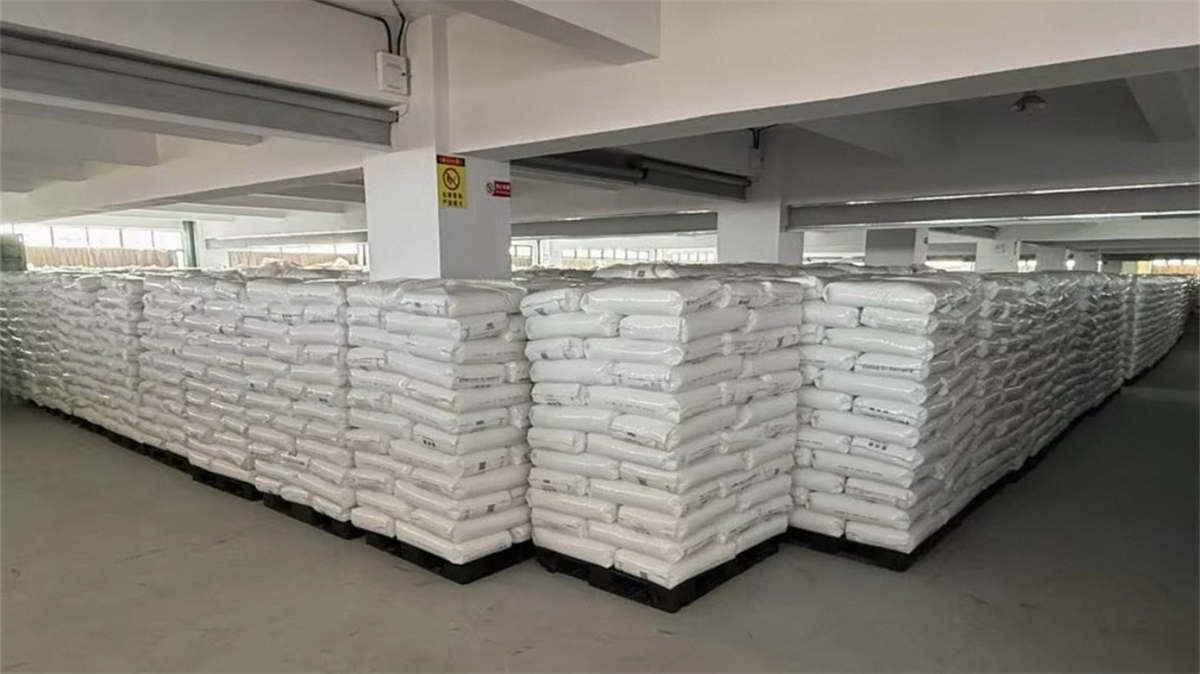
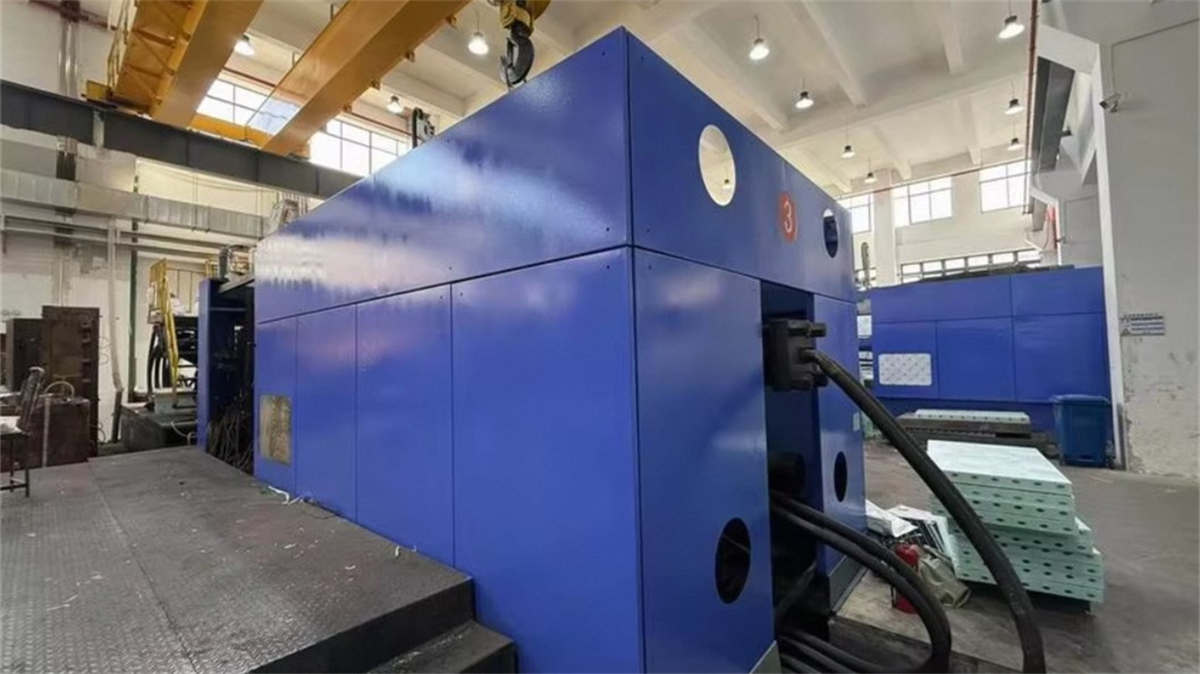
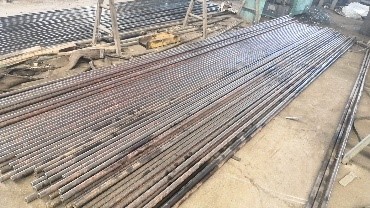
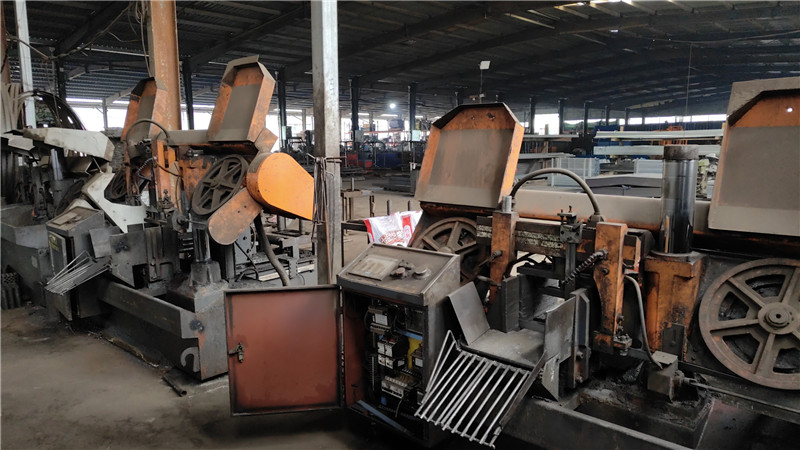
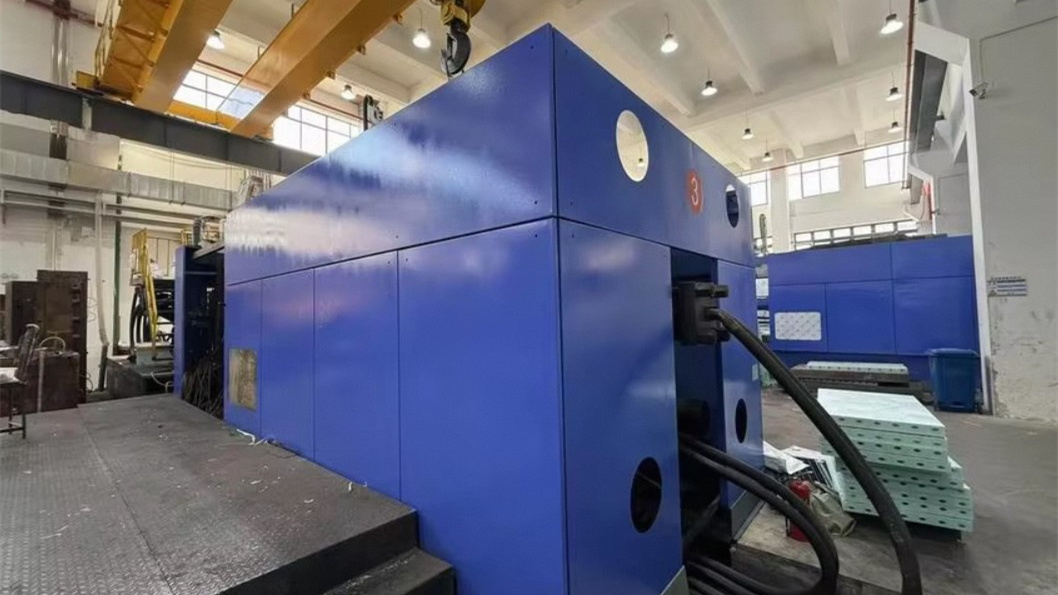
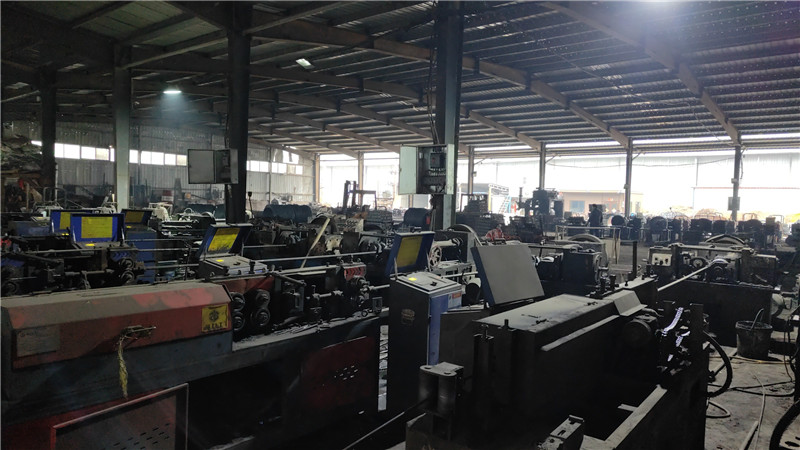
Hebei PEKA Building Materials Co., Ltd., established in 2009, operates as a key manufacturer of metal decorative and building materials in China. Located in Hebei, PEKA features a factory layout of 8,000 to 10,000 square meters, equipped with high-precision manufacturing systems. With more than 100 employees and an annual shipment volume reaching approximately 580,000 square meters, PEKA generates annual sales of 160 million RMB.
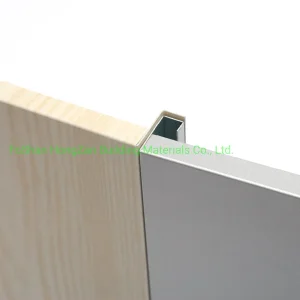
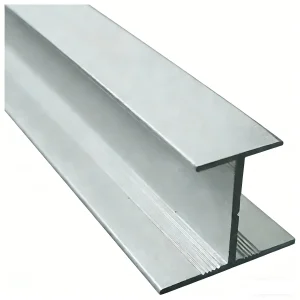
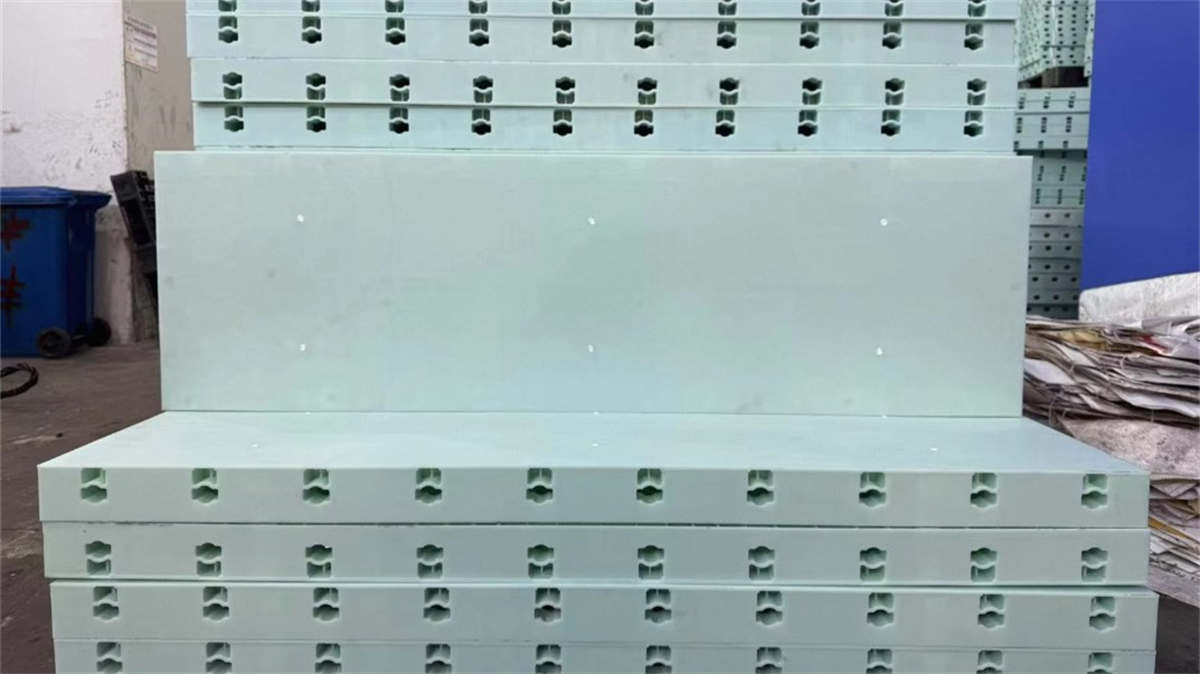
PEKA specializes in developing, producing, and customizing architectural solutions, including aluminum curtain walls, aluminum ceilings, aluminum honeycomb panels, aluminum air-conditioning covers, and aluminum perforated panels. By focusing on quality management, PEKA integrates international-grade raw materials into its production lines to ensure product longevity, aesthetics, and structural integrity across globally distributed projects.
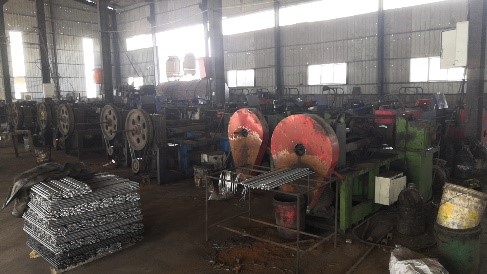
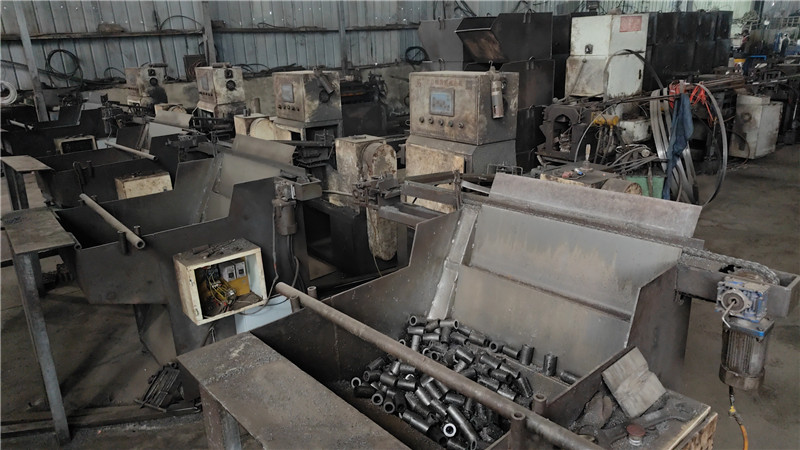
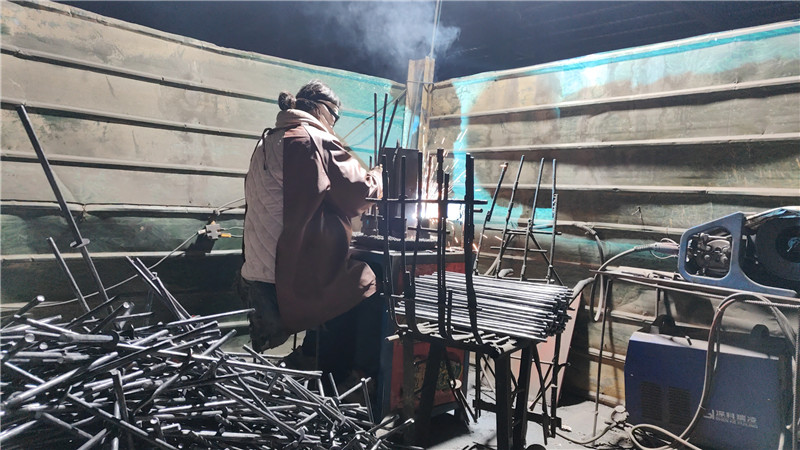
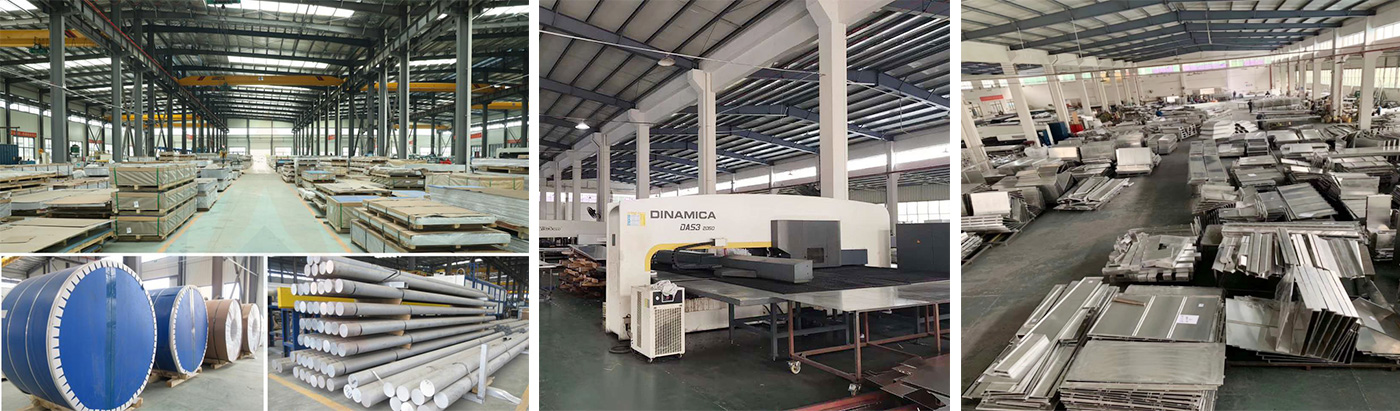
Why leading global engineering and architectural firms collaborate with Hebei PEKA for high-specification metal construction materials.
An analysis of Chinese manufacturing advantages, compliance verification, and risk mitigation for international enterprise procurement.
China's dominance in synthetic and building materials goes beyond labor scale; it is built on integrated industrial clusters. In regions like Hebei, raw material sourcing, chemical processing, tool making, and shipping systems are situated in close proximity. This concentration simplifies logistics, allows for fast tooling adjustments, and minimizes carbon footprints during early processing stages. By utilizing local raw material inputs, manufacturers can adjust production volumes dynamically to accommodate major infrastructure initiatives without causing delays.
Exporting products to North America, the European Union, or Australia requires compliance with regional safety and building codes. Standard products can fail verification if they lack appropriate documentation. Leading Chinese manufacturers address this by pursuing international certifications early in the product development cycle:
Before purchasing materials, overseas entities should verify the factory’s ISO 9001 quality systems and request test reports from recognized third-party agencies such as SGS, TÜV, or Intertek.
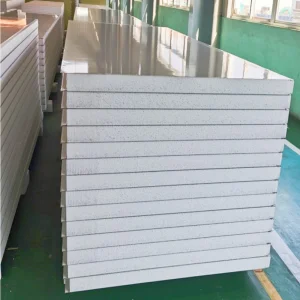
Modern architectural projects rarely use off-the-shelf specifications. Aluminum curtain walls, custom ceiling suspension systems, and sandwich panel insulation require engineering design support. The Hebei PEKA engineering team, for example, provides 3D CAD/BIM drawing translation, custom punch tooling for perforated panels, and finishes customized to localized weather conditions (such as high-UV or coastal saline environments).
Highlighting emerging material advancements and their applications in demanding commercial projects.
To maximize value from these material technologies, design engineers must understand where they excel:
Answers to technical and logistical questions commonly raised by procurement directors and structural engineers.
 PEKA Build Materials