Immediate shipping solutions to Antigua and Barbuda, customized for extreme solar radiation, high humidity, and marine salinity.
In regions such as Antigua and Barbuda, industrial thermal performance and electrical infrastructure integrity face severe ambient stress. High relative humidity (frequently exceeding 80%), intense direct solar radiation, and pervasive chloride ions from marine spray generate a severe corrosion-and-degradation profile for building envelopes and power distribution assemblies. Traditional insulation systems often suffer from moisture absorption, which degrades their R-value, increases energy costs, and triggers galvanic corrosion beneath the insulation layer. This whitepaper analyzes modern technological solutions, engineering protocols, and manufacturing standards designed to mitigate these tropical challenges.
Building structures in St. John’s, English Harbour, and surrounding coastal commercial zones are continuously subjected to solar gain. Without high-density thermal barriers, cooling loads escalate rapidly, placing massive demand on local air conditioning networks. In structural design, selecting materials like PIR/PU sandwich panels or vacuum insulation panels (VIP) helps maintain low thermal conductivity ($k$-values below 0.020 W/m·K) while resisting degradation. The chemical stability of polyurethane core compounds paired with metallized polyester films acts as a vapor barrier, preventing humid air from condensing inside walls and structural joints.
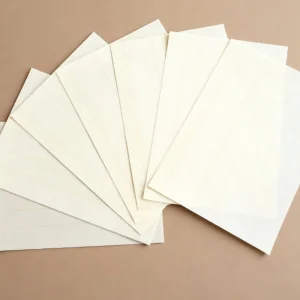
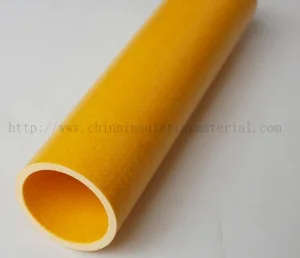
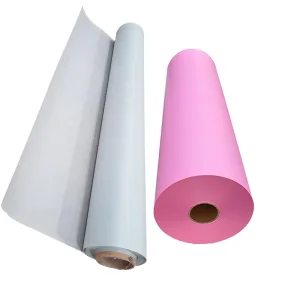
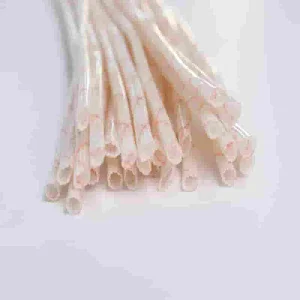
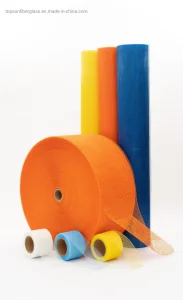
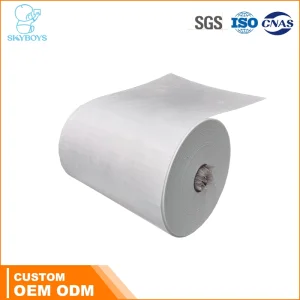
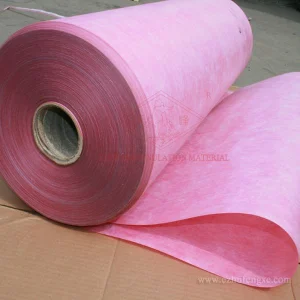
For transformers, utility grids, and marine electric installations across the islands, electrical insulation must withstand hot humid environments. Moisture ingress is the primary cause of dielectric breakdown in wind power generators, local distribution lines, and industrial electrical motors. The application of Class F DMD (6641) polyester film/polyester non-woven fabric composite materials provides high dielectric strength and mechanical durability, preventing flashovers and winding shorts under fluctuating thermal cycles. Additionally, incorporating premium PVC-resin-impregnated fiberglass sleeves protects critical cabling from abrasion, humidity, and chemical exposure.
Antigua and Barbuda’s economy relies on high-end tourism, luxury real estate development, yachting services, offshore finance, and public-sector infrastructure projects. These sectors require durable engineering materials to combat the Caribbean environment. As resorts expand and green building standards like LEED and BREEAM gain traction, developers are seeking insulation systems that lower operational carbon footprints and reduce HVAC energy demands.
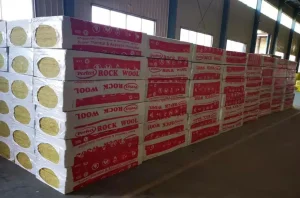
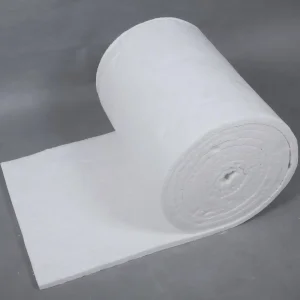
Luxury hotels and retail spaces require premium thermal insulation boards and mineral wool blankets to limit thermal bridging, preventing condensation on ceilings and internal wall cavities.
With yachting hubs like Falmouth Harbour, composite FRP tubes, and specialty mineral wool jackets protect piping from high-temperature exhaust and saline atmosphere degradation.
Imported diesel fuels power generation. Utilizing high-efficiency insulation, like silica aerogel and VIP panels, helps developers lower municipal energy demand.
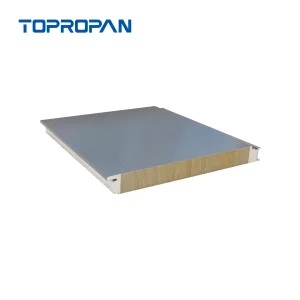
High-density structural composites and insulated sandwich wall panels with FM Certificates provide structural integrity against high wind pressures during hurricane seasons.
The global insulation materials market is undergoing a transition driven by carbon-neutral policies and the demand for high-performance thermal barriers. Materials science has evolved from traditional glass fibers and mineral wools to nano-porous structures and composite synthetic polymers. In the current global supply chain, purchasing officers focus on three major elements: thermal resistance per unit thickness, flame retardant class compliance, and lifetime moisture resistance.
Furthermore, standardizations like ASTM, EN, and ISO are global benchmarks. For B2B buyers in the Caribbean, sourcing materials that comply with international fire safety certifications (like FM Global and UL94 Class V-0) is essential for maintaining project viability. High-performance insulation such as silica aerogels, vacuum insulation panels, and composite electrical materials represent the forefront of resource efficiency, supporting thermal barrier systems, utility infrastructure, and industrial piping networks.
Backed by Hebei PEKA Building Materials Co., Ltd. – Engineered Solutions & Quality Assurance Since 2009.
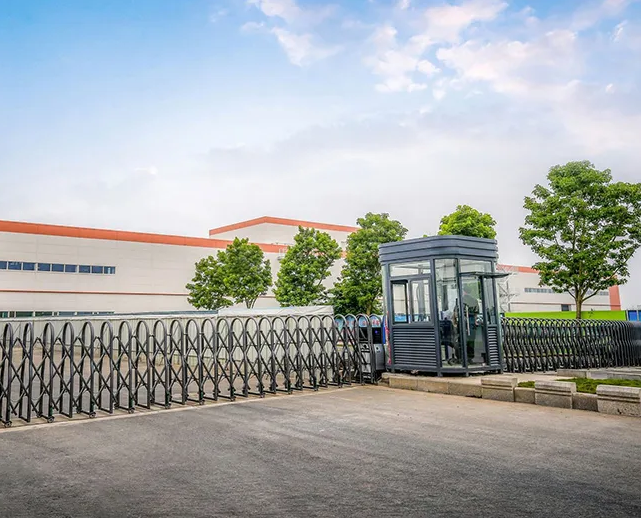
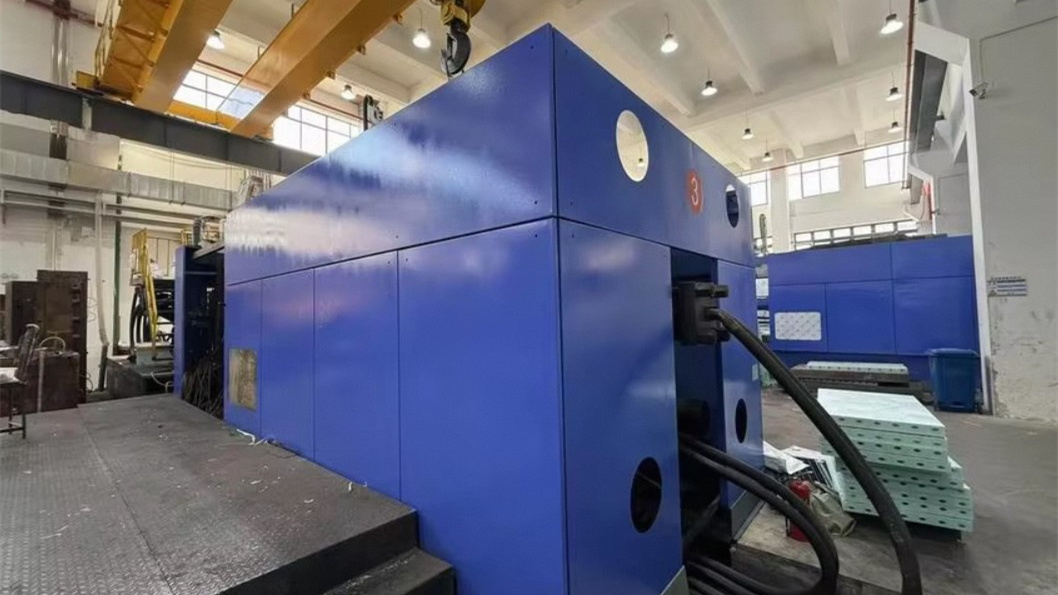
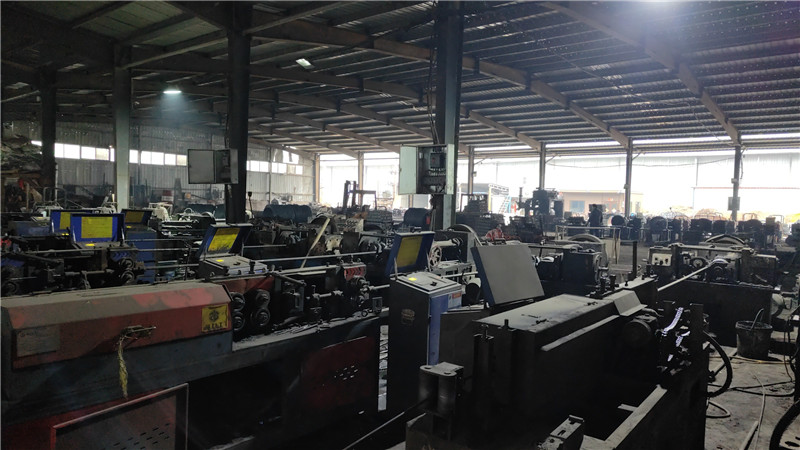
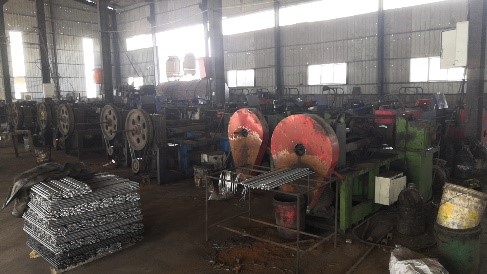
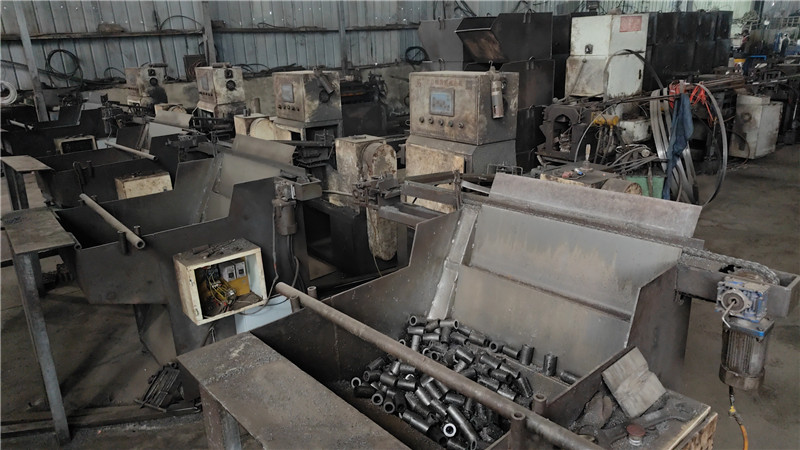
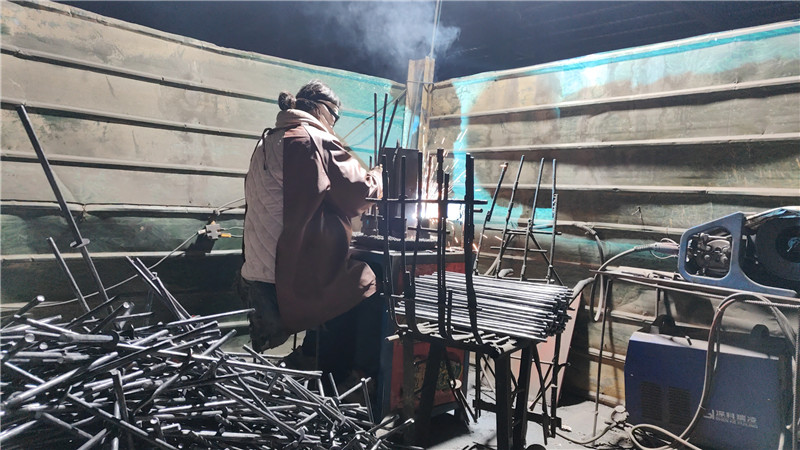
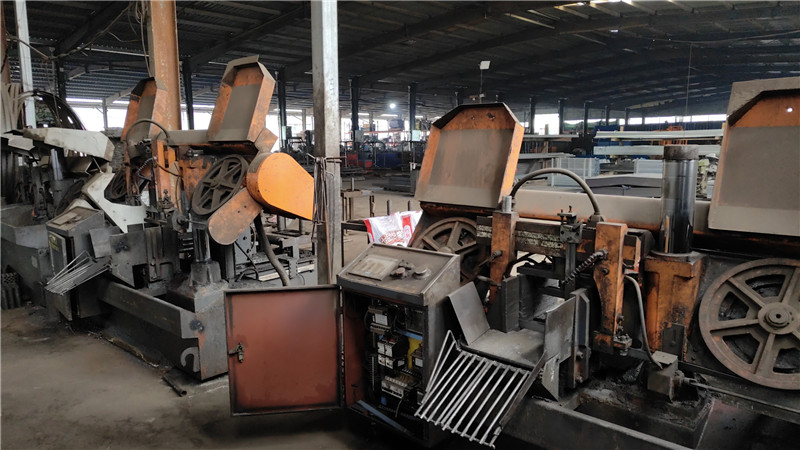
Founded in 2009, Hebei PEKA Building Materials Co., Ltd. spans a production zone of 10,000 square meters. As a leader in structural exterior systems, metal decorative panels, and integrated insulation composite cladding solutions, we serve projects worldwide. Our facility maintains an annual shipment volume of approximately 580,000 square meters, powered by over 100 skilled specialists and large-scale precision fabrication machinery.
We combine advanced protective skins with high-grade core insulation to provide robust sandwich wall panels, insulated ceiling assemblies, and customized building envelope systems. This integrated approach ensures structural durability, wind resistance, and thermal efficiency for coastal developments in Antigua and Barbuda.
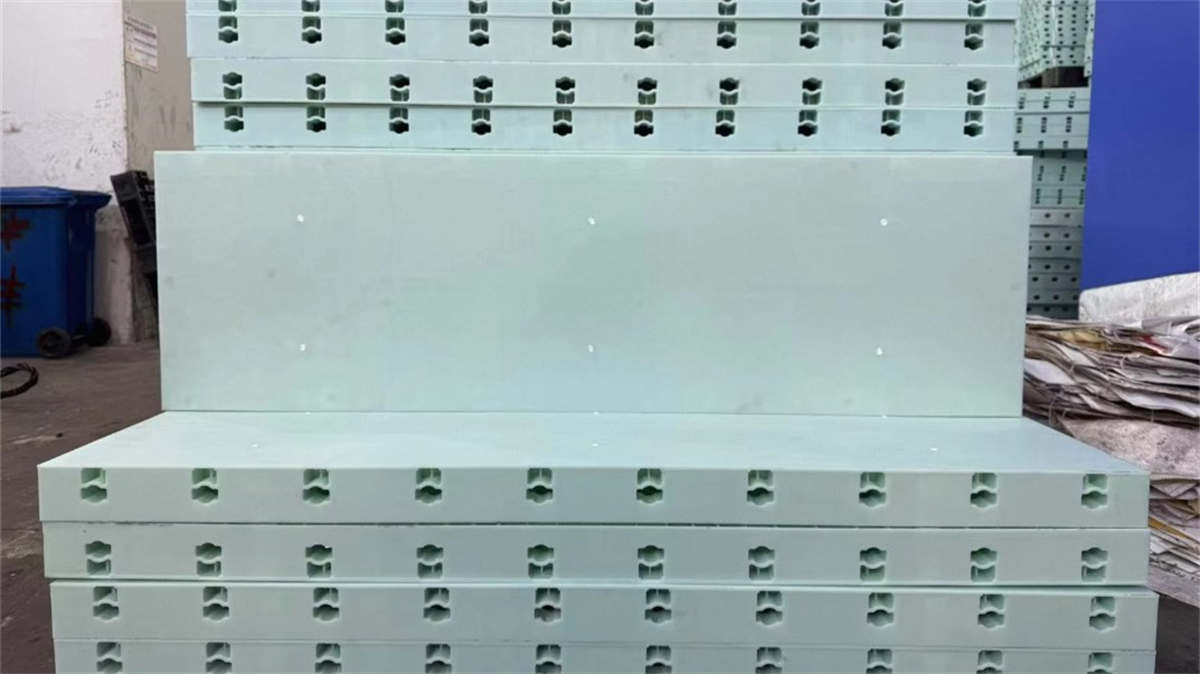
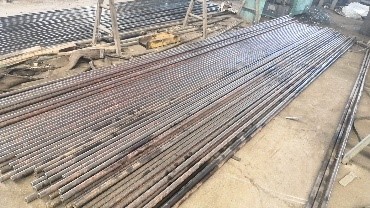
Our quality control processes ensure that each batch of structural panels, insulation covers, and thermal materials meets exact project specifications. By utilizing high-grade raw materials and partnerships, we offer long-term product durability:
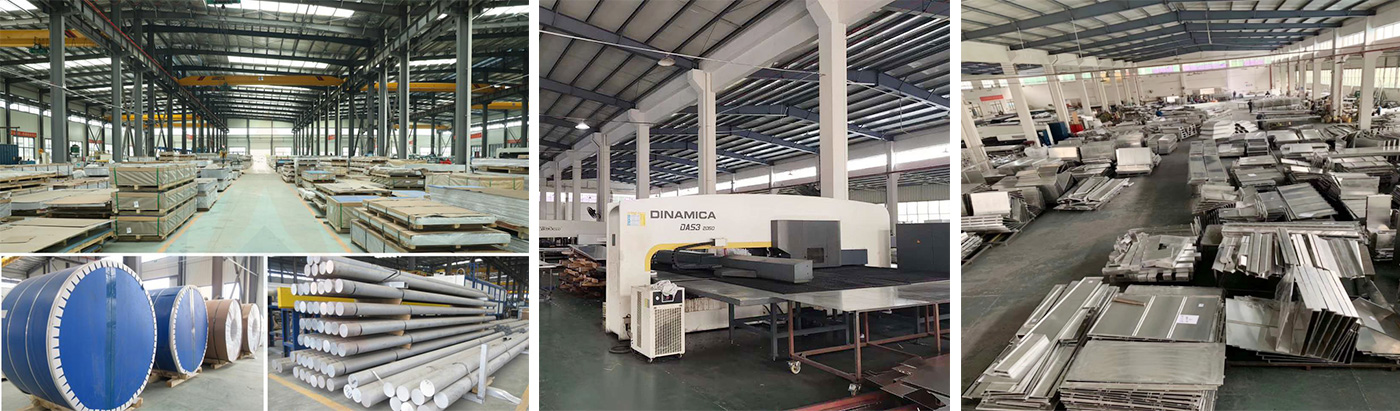
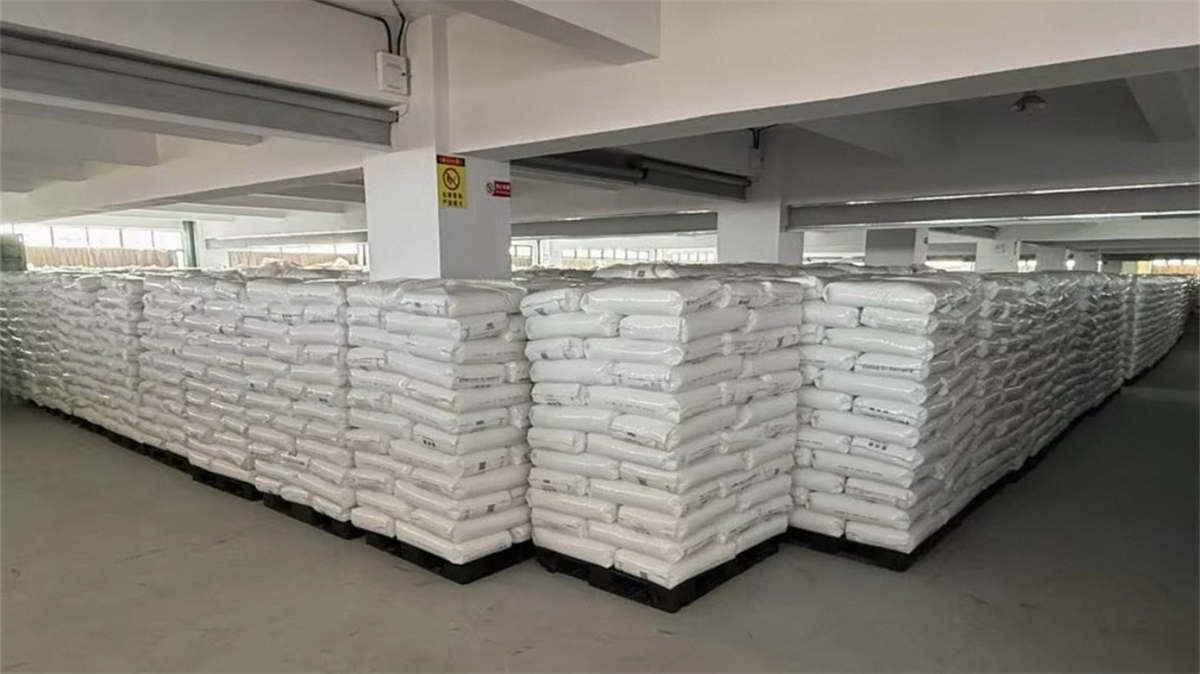
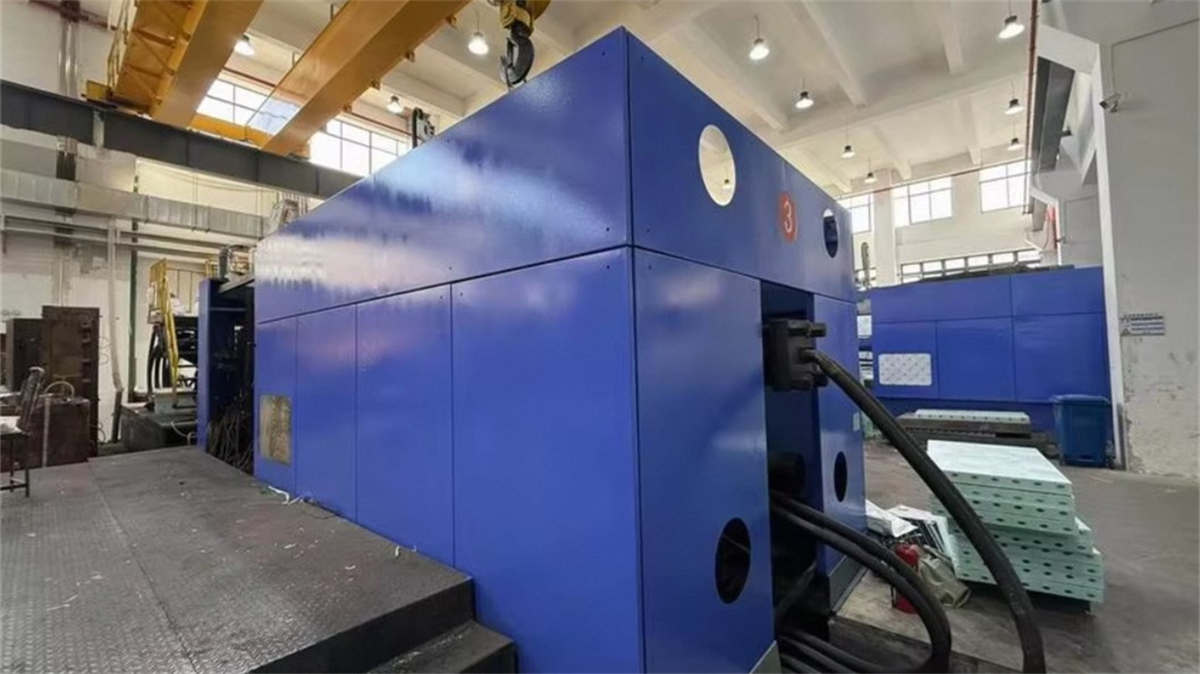
Understanding local deployment requirements helps optimize the design, selection, and thickness calculations of insulation installations. Below are key environments in Antigua & Barbuda where specialized thermal insulation is critical:
Luxury resort structures require insulation solutions that prevent indoor humidity issues. Traditional insulation can trap moisture, leading to mold growth and compromised indoor air quality. By deploying Fiberglass Fumed Silica VIP Vacuum Panels or closed-cell polyurethane cores, designers can achieve high thermal resistance (R-values) within thin wall spaces, maximizing usable indoor floor space.
High humidity and airborne salt can cause transformer short circuits and power line arcs. Utilities in Antigua and Barbuda use insulation systems such as B/F-Class DMD paper, high-temperature resistant transformer paper, and 2715 PVC resin fiberglass sleeves to maintain system reliability during peak summer demand.
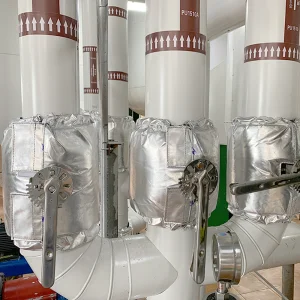
In hot water systems, refrigeration loops, and HVAC piping, bare metal surfaces are vulnerable to energy losses and condensation. Utilizing Mineral Wool + Cryogel Petrolatum Insulation Covers protects valves, flanges, and piping from thermal losses while preventing corrosion under insulation (CUI) caused by humid, saline marine air.
Technical expertise and logistical answers for buying managers in Antigua and Barbuda.
Engineered thermal barriers and electrical materials designed for modern industrial applications.
 PEKA Build Materials