Reinforced Aluminum Foil Composite Material for Stone Wool Insulation XPS

Still deciding? Get samples of $ !
Request Sample

Product Description

📊 Basic Information
Model NO.
FSK
Coating Thickness
7/14/18/25/38/50 Micron
Advantages
Flame Retardant, High Temp Resistance
Refractoriness
200-450°C
Apparent Density
60 GSM to 130 GSM
Material
Alu Foil-Kraft-Scrim-PE Facings
Surface Treatment
Full Body Tiles
Origin
China
🔍 Product Description
Heat sealing foil facing

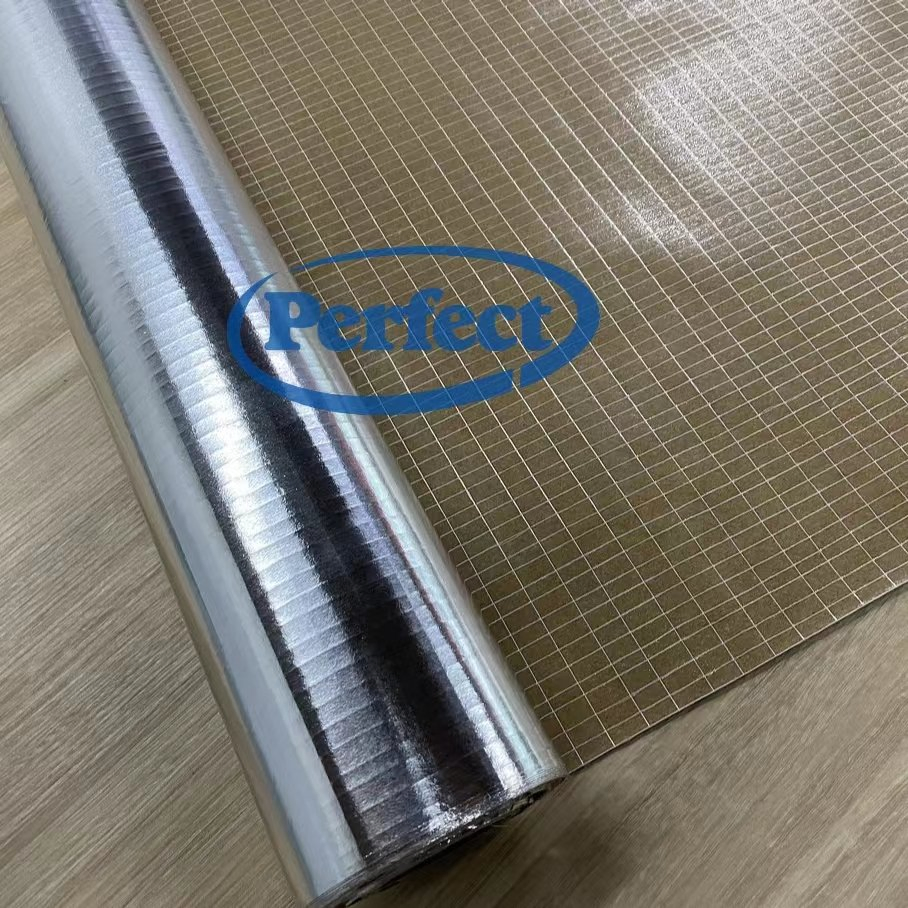
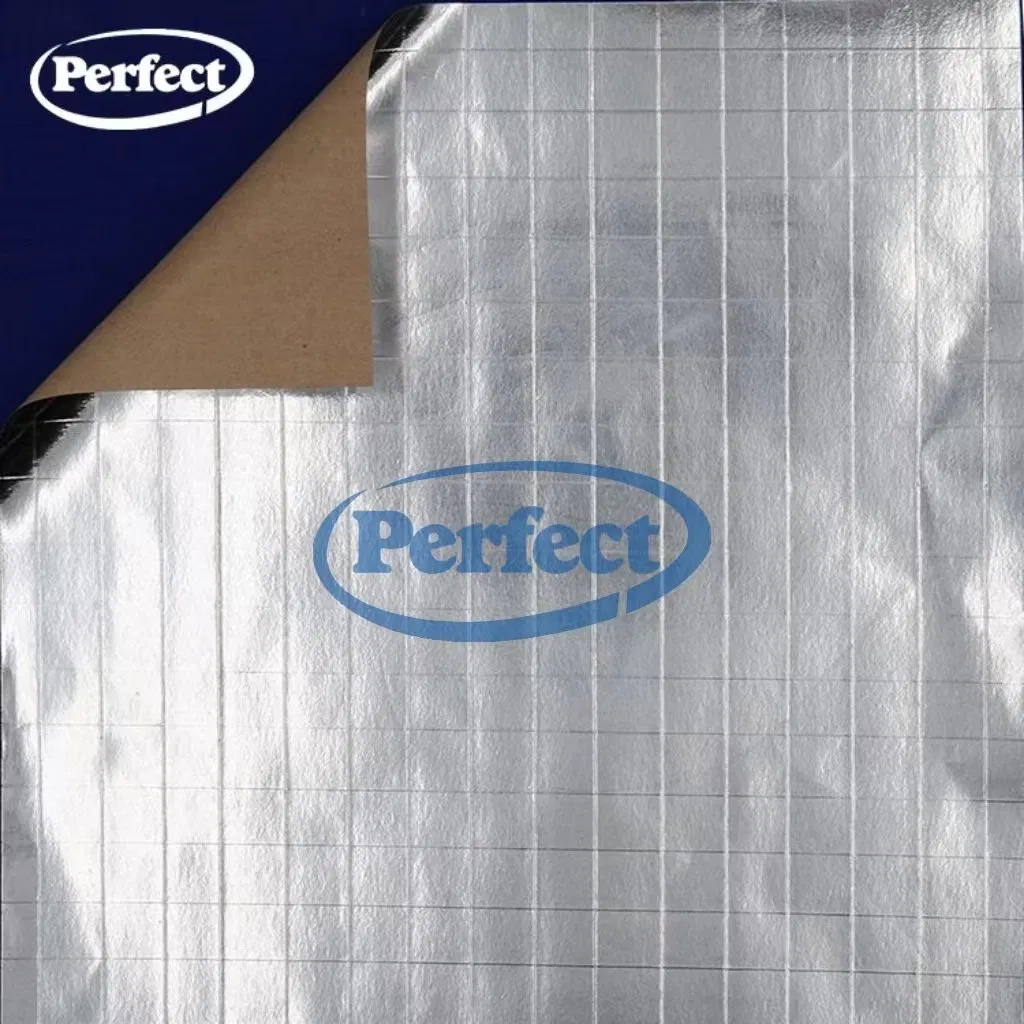
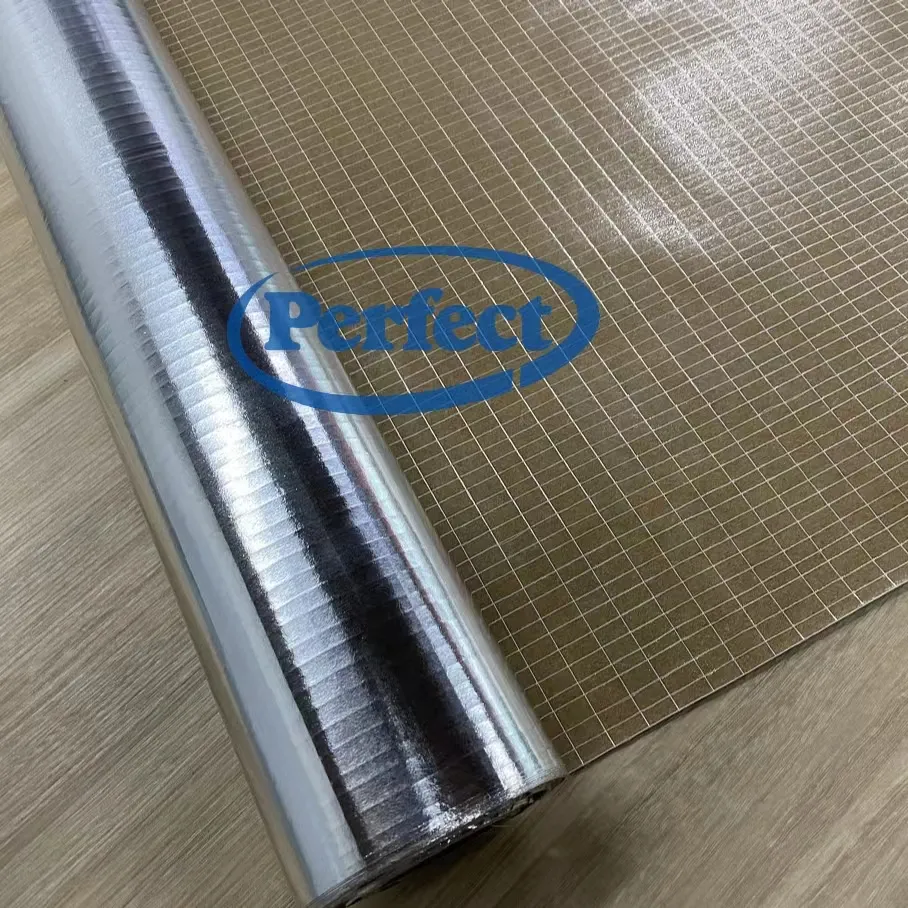
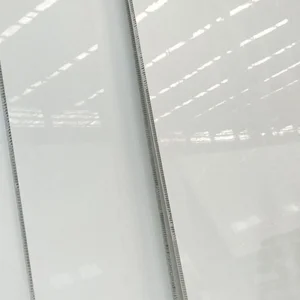
Heat Sealing Foil Facing: This lamination (foil-kraft-scrim-PE facings) is specifically designed for online lamination of glasswool, rockwool, and mineral wool insulation.
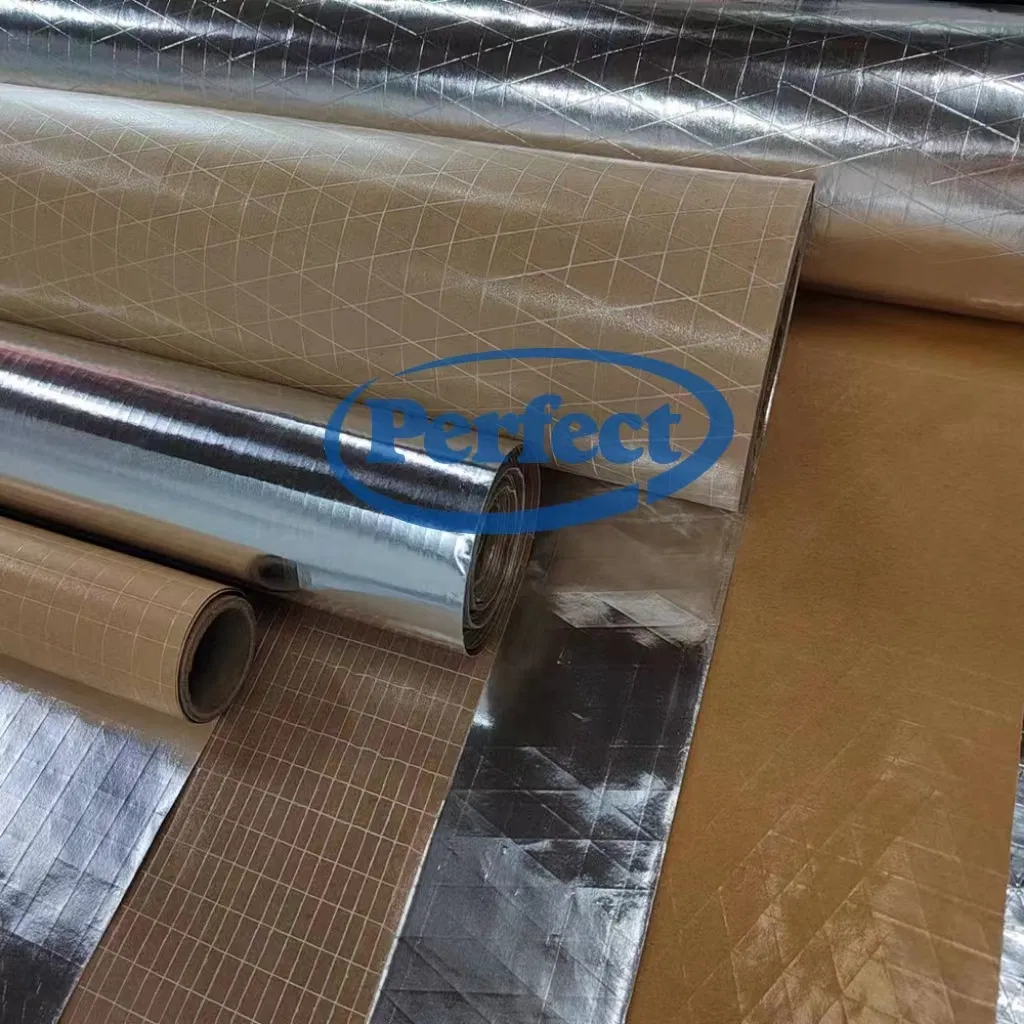
  • ✓ Thicker heat-sealable PE layer
  • ✓ No extra adhesive required
  • ✓ Superior corrosion resistance
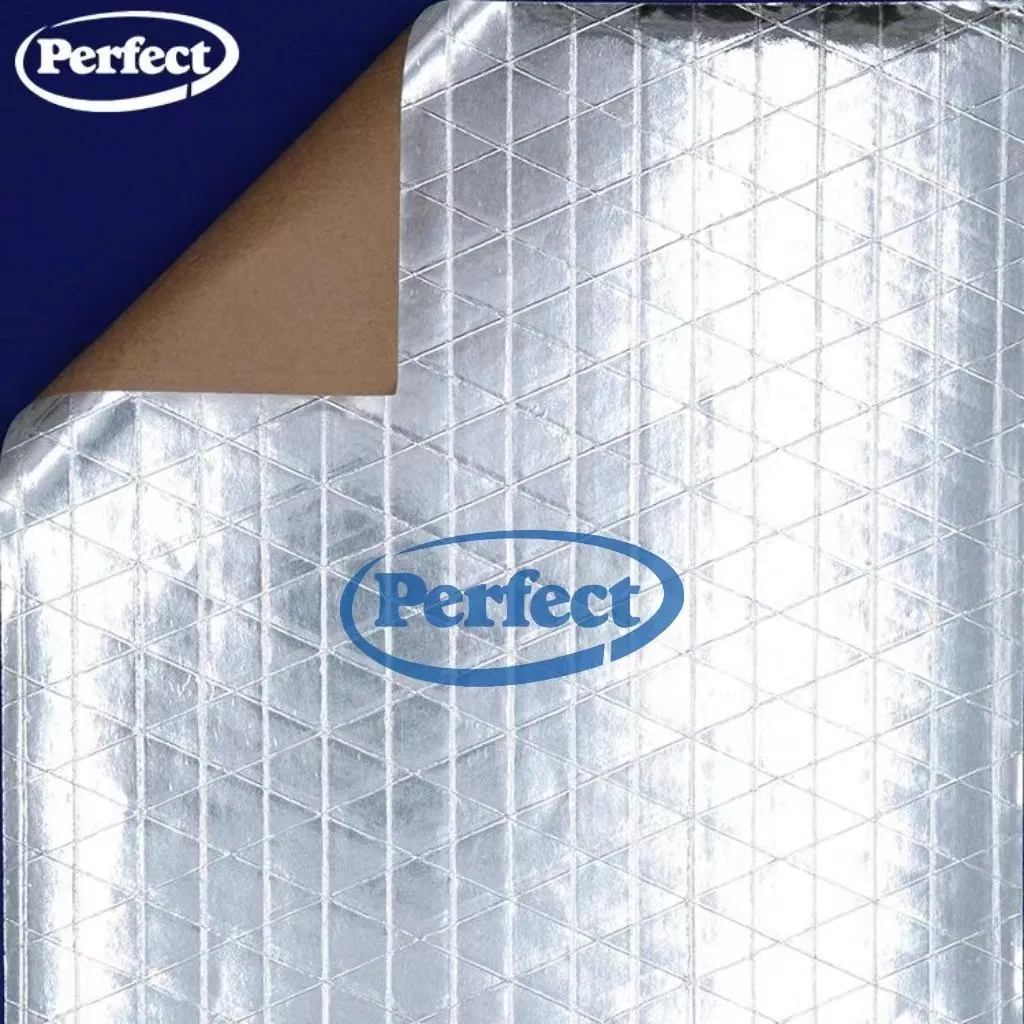
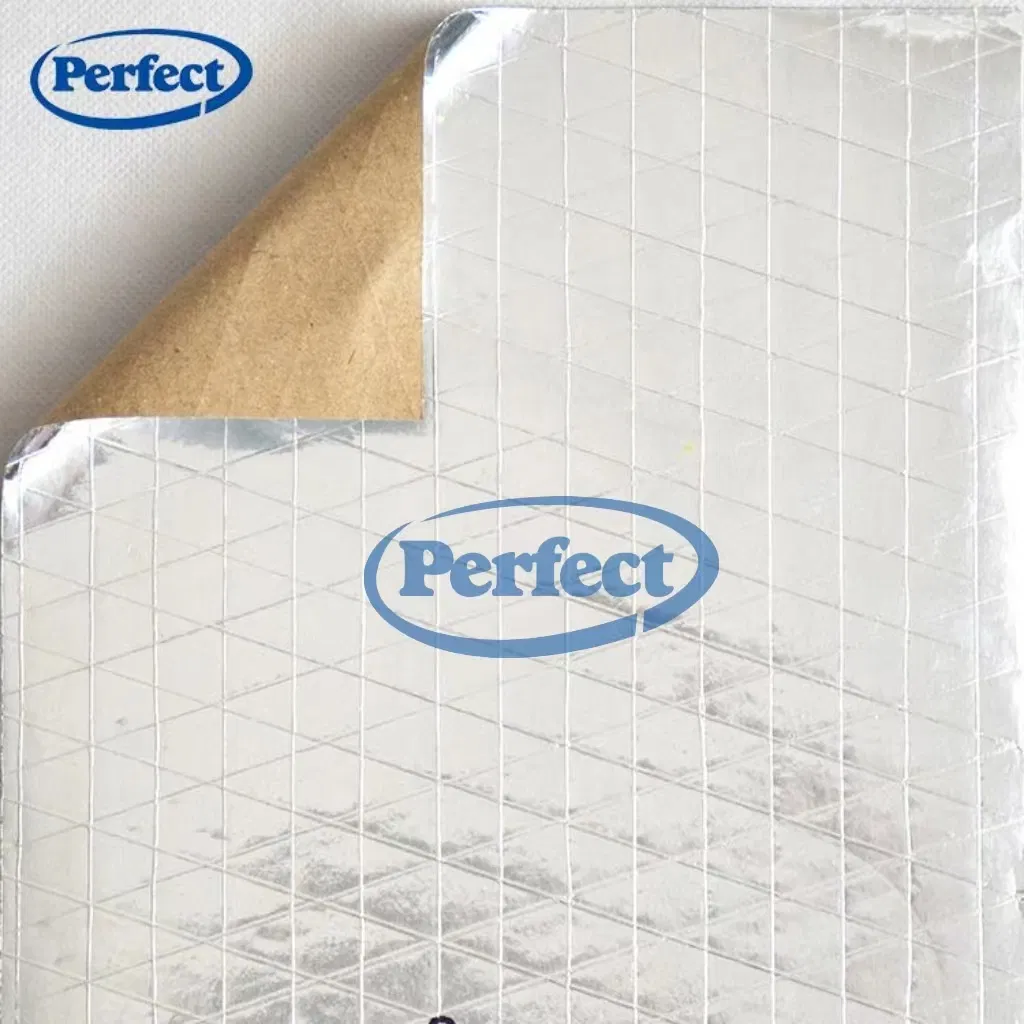
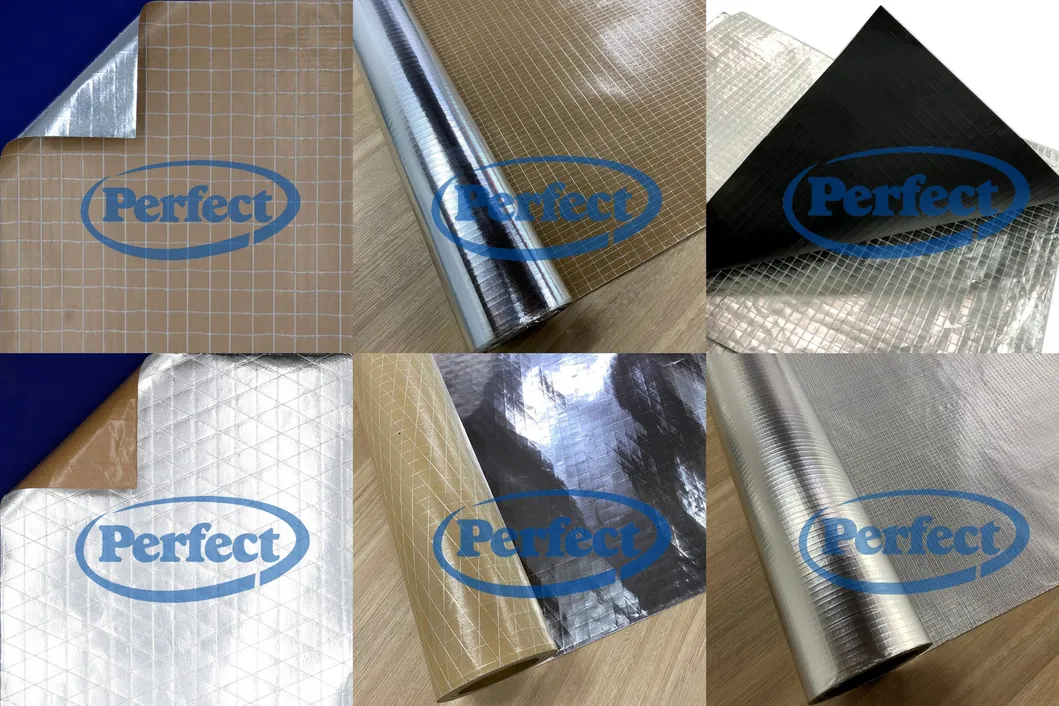
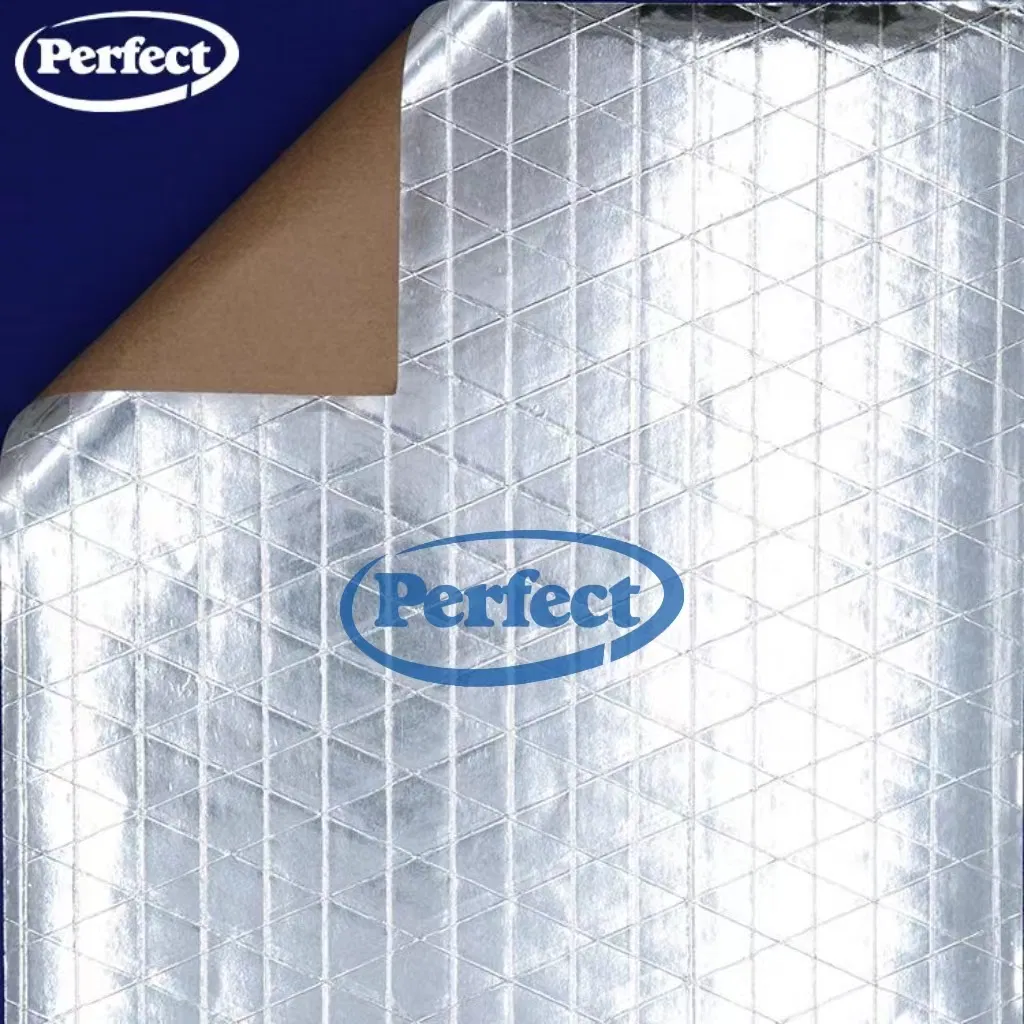
  • ✓ Multiple scrim options (Tri-way or Two-way)
📸 Detailed Product Showcase
FSKV Scrim Kraft

FSKV Two-Way Scrim

Heat Sealing Foil 6x12

6*12 Scrim Foil

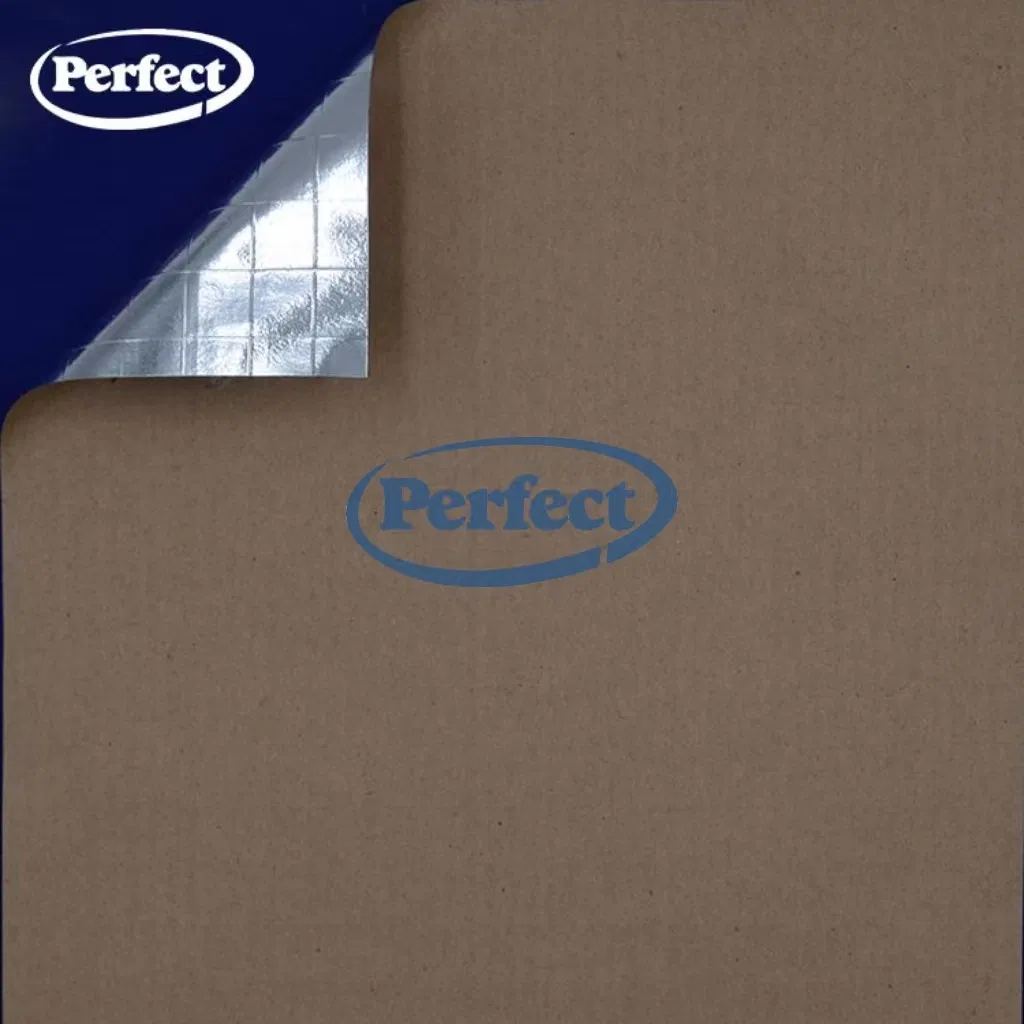
Aluminium foil scrim kraft

Alu Foil Scrim Kraft PE

Key Performance Features:
  • High Tensile Strength & Water Barrier
  • Nail Sealability (Per ICC-ES AC48)
  • Slip-Resistant Surface
  • No Wrinkling or Moisture Absorption
🏗️ Main Applications
Application range

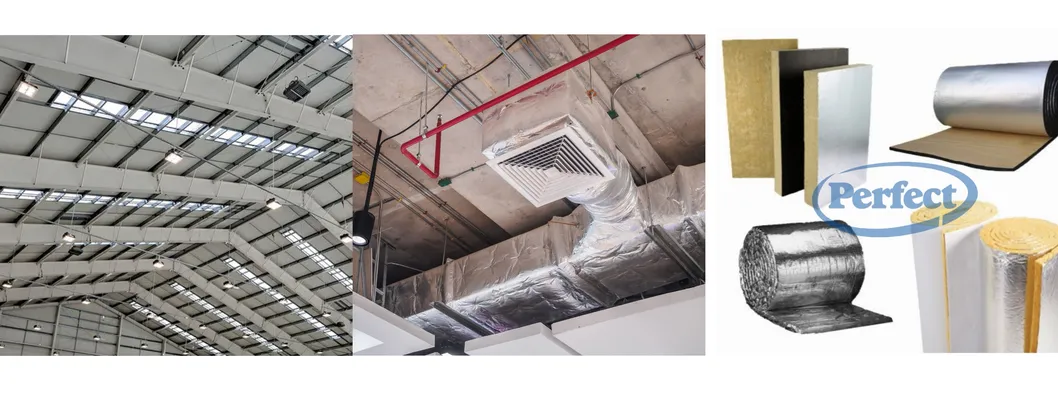
Metal Building Roofing

Focused on vapor retarders and reflective heat performance to ensure indoor temperature stability with fire retardant properties.

HVAC Duct Insulation

Special formulas designed for the HVAC industry, meeting flame retardant and smoke performance standards (BS476 and ASTM testing).

Industrial Insulation Lamination

Widely used as a facing for Rockwool, Glasswool, Rubber foam, and Ceramic fiber factories worldwide.
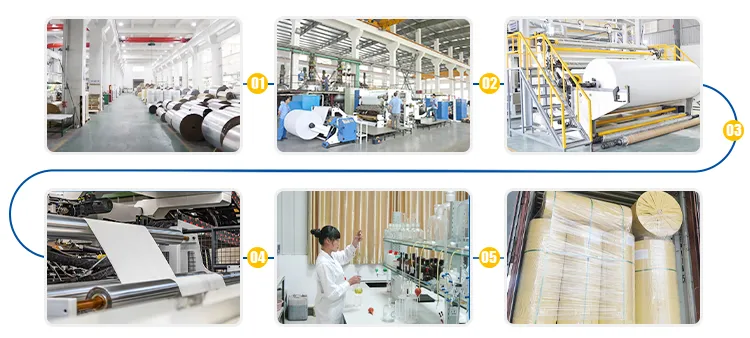
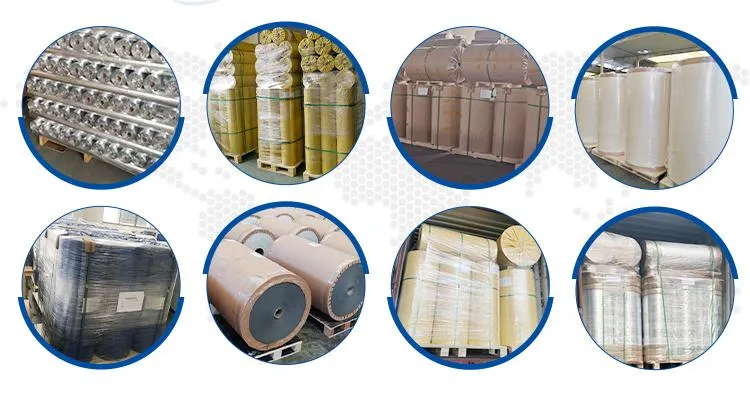
🏭 Production & Packaging
Product Line
Packaging
Frequently Asked Questions
What lamination methods are used?
We utilize plastic extrusion and glue lamination with precision machinery to ensure high quality based on specific technical requirements.
Are perforated and printed products available?
Yes, we provide full line insulation facings that can be pin perforated (100% coverage) or pattern/channel perforated for specific laminating needs.
What is the recommended indoor humidity?
Recommended continuous indoor relative humidity (RH) usually varies between 30% to 45% to avoid moisture problems, depending on location.
What happens if the facing becomes wet after installation?
Limited exposure usually does not affect the facing if it is allowed to dry fully. However, prolonged exposure may degrade physical properties.
Why does staining sometimes occur on foil-faced insulation?
Staining is primarily caused by moisture trapped in improperly ventilated bags, or exposure to moisture from adhesives or curing concrete.

Related Products