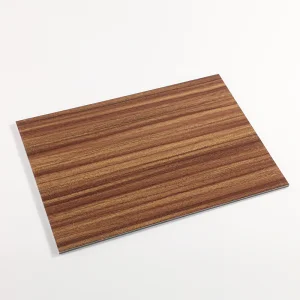
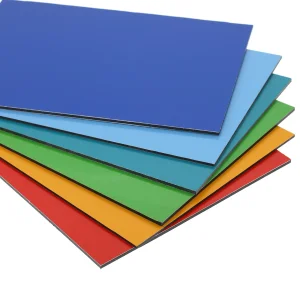
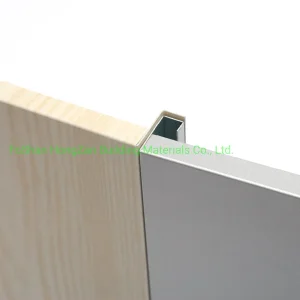
Optimized advanced structural materials engineered for moisture protection, thermal dispersion, and marine transport operations in Apia and across Samoa.
Samoa, nestled in the heart of Polynesia, faces unique geopolitical, logistical, and environmental realities. As the island nation modernizes its infrastructure, expands its tourism sectors, and updates its maritime logistics, traditional building and engineering materials face severe durability challenges. The combination of intense ultraviolet (UV) radiation, perpetual tropical humidity, high soil salinity, and coastal salt-spray rapidly degrades conventional steel, untreated timber, and low-grade concrete. This acceleration of corrosion and rot leads to massive long-term structural maintenance costs.
Advanced composite materials—engineered matrices of high-strength fibers embedded within polymer, metal, or ceramic resins—represent the key to future-proofing Samoa’s built environment. As a leading manufacturer and direct exporter, we specialize in delivering material innovations that address the exact stressors of the Samoan industrial landscape. From fireproof cladding panels for urban Apia to low-water-absorption SMC composites for coastal power distribution networks, our solutions offer an unbeatable specific strength-to-weight ratio and a multi-decade operational lifespan.
"Samoa's proximity to saline oceans demands a paradigm shift from vulnerable alloys to chemically inert composite configurations. Our customized PVDF-coated ACM panels and SMC compounds are formulated specifically to withstand C5-M rated extreme marine environments without physical degradation or structural creep."
The local economy is undergoing a structural shift. The modernization of Faleolo International Airport, the expansion of the Apia Port facility, and the construction of eco-luxury resorts in Upolu and Savai'i require structural panels that do not bubble, warp, or crack under tropical thermal cycles. Additionally, Samoa's commitment to climate resilience has triggered massive upgrades to solar-power grids and electric vehicle charging docks, necessitating robust outdoor electrical housings with high dielectric strength and minimal moisture absorption.
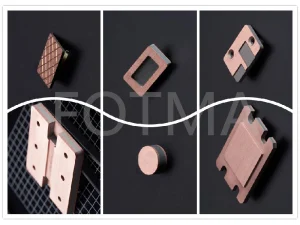
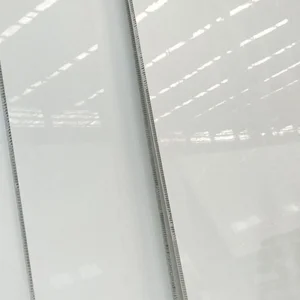
Globally, the composite materials market is transitioning from simple fiberglass to smart, multi-functional sandwich structures. High-precision industries are utilizing Cu/Mo/Cu (CMC) matrices for heat sink packaging to manage heat dissipation in 5G telecommunication base stations and data processors. Similarly, fire safety codes (such as EN 13501-1 and ASTM E84) are driving the building cladding sector towards A2 and FR-B1 grade non-combustible mineral core aluminum composite panels (ACP). Clean energy transition, sustainable logistics, and lightweight public transport are the key drivers shaping international composite supply chains today.
China's Pioneer in Metal Decorative Materials and Composite Panel Manufacturing since 2009.
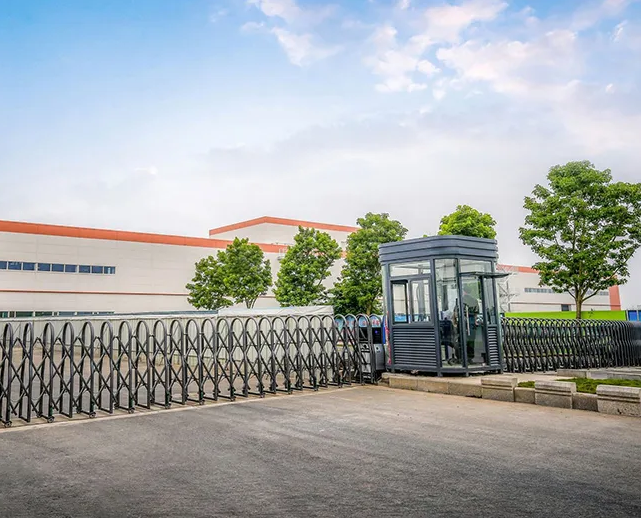
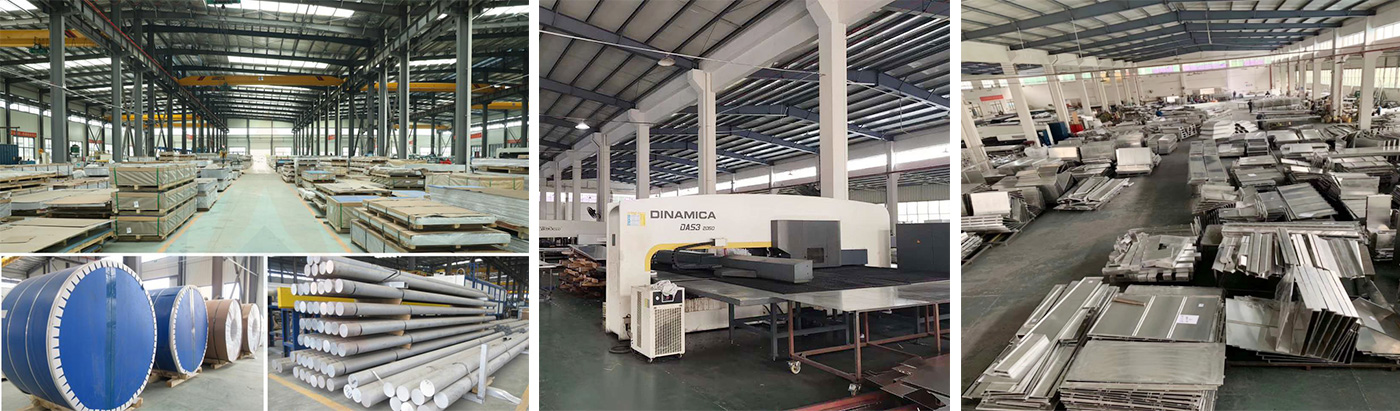
PEKA Building Materials has been established for more than 10 years, producing, selling, and developing customized building materials products such as aluminum curtain walls, aluminum ceilings, aluminum honeycomb panels, aluminum air-conditioning covers, and aluminum perforated panels. As a leading curtain wall manufacturer from Hebei, China, the company features 100+ highly skilled employees and a factory area of 8,000 square meters.
Founded in 2009 and covering an overall production area of 10,000 square meters, we have pioneered the development of high-performance metal decorative materials in China. Our manufacturing capacities yield an annual shipment volume of approximately 580,000 square meters. Whether you require customized ACP sheets for Samoa's hospitality centers or robust structural facades, PEKA delivers precision and architectural beauty directly to Apia. Contact us today to learn more about our manufacturing capabilities.
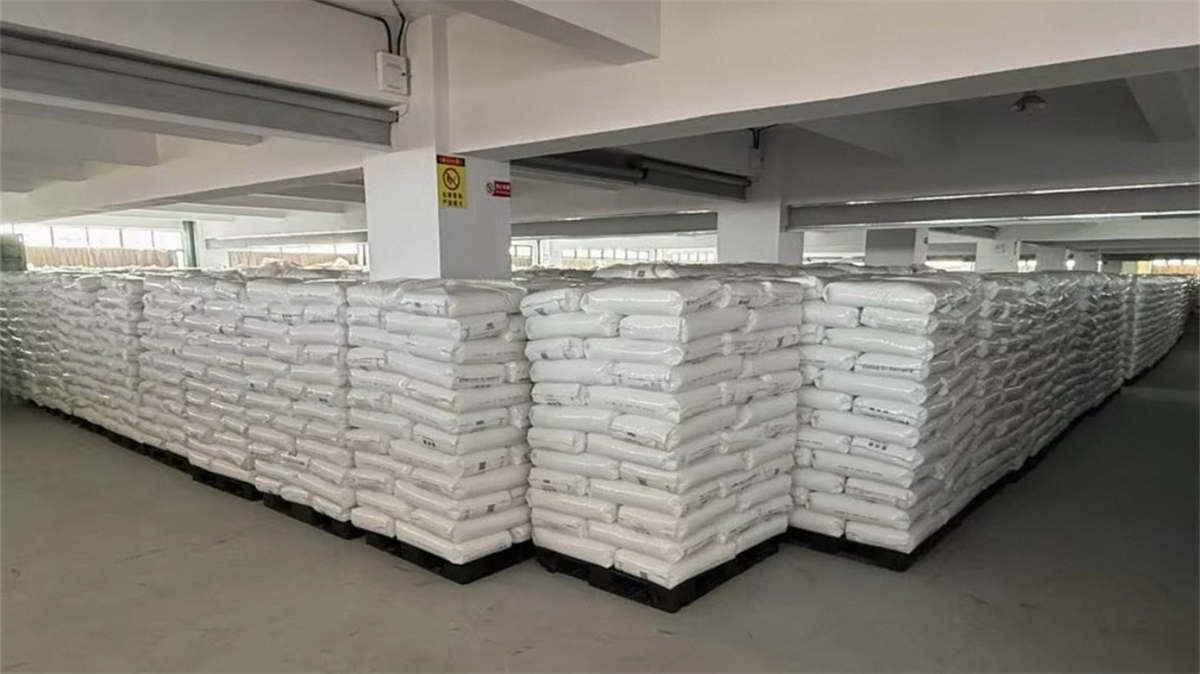
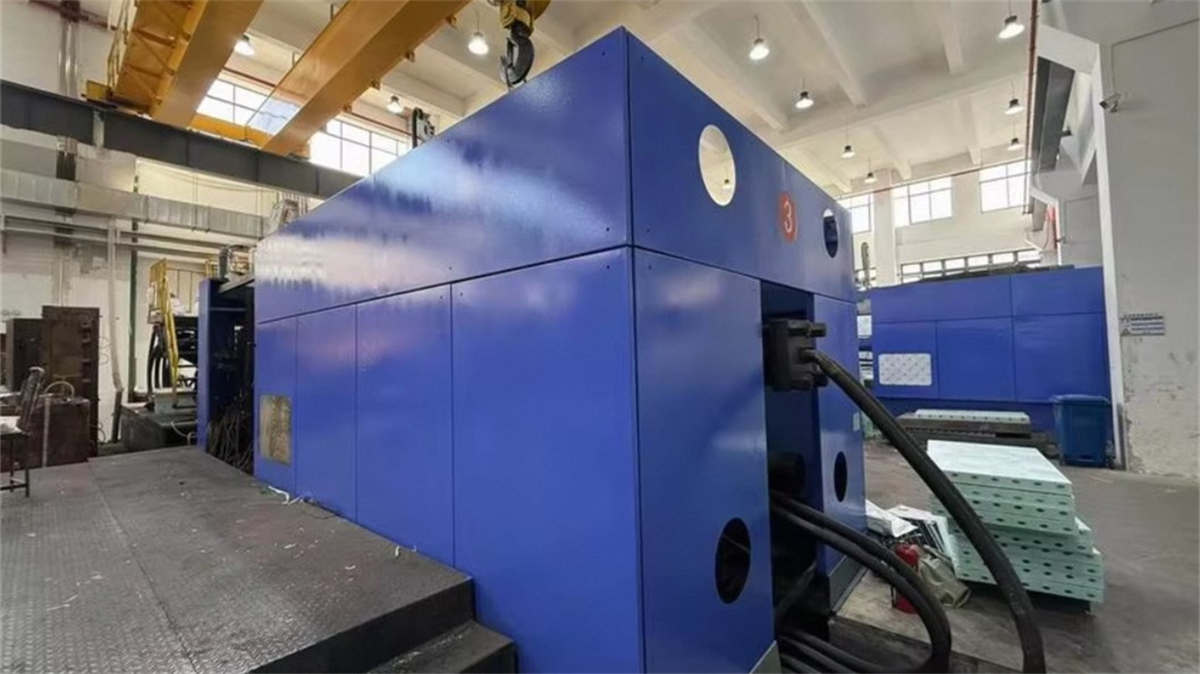
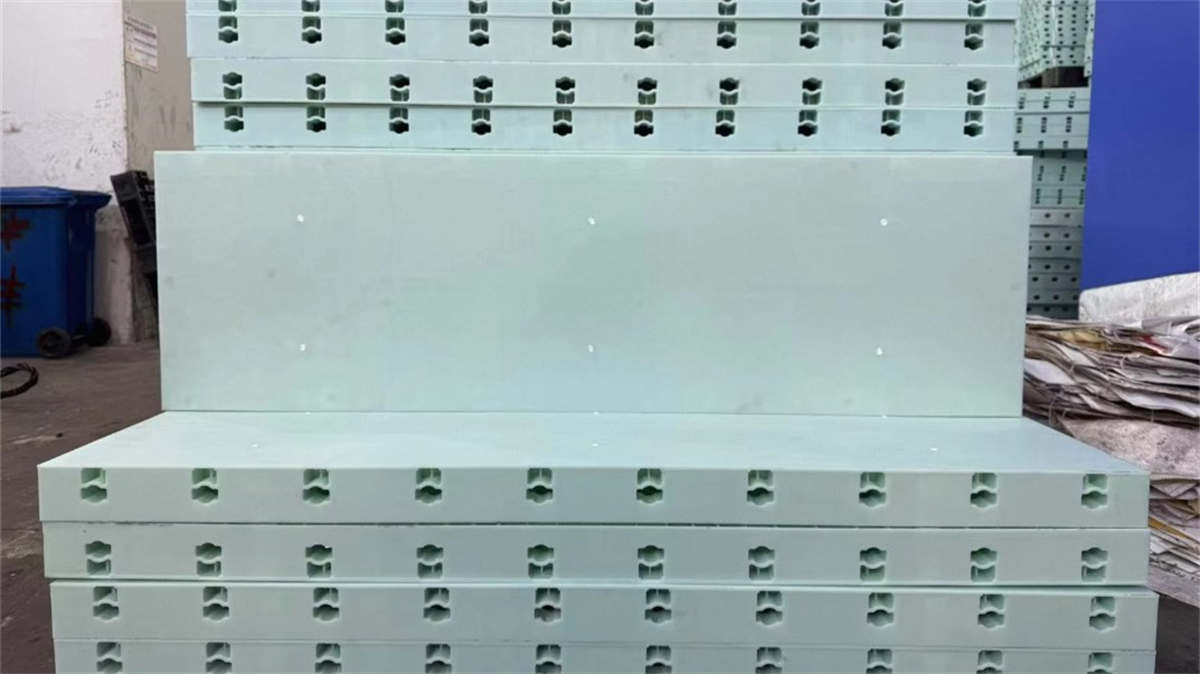
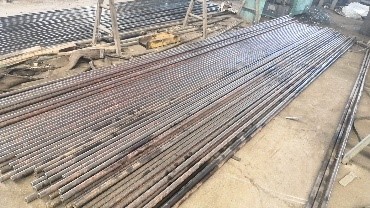
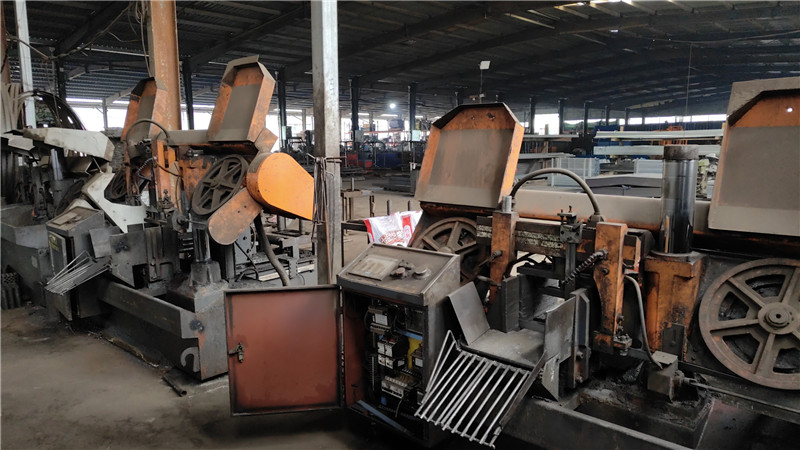
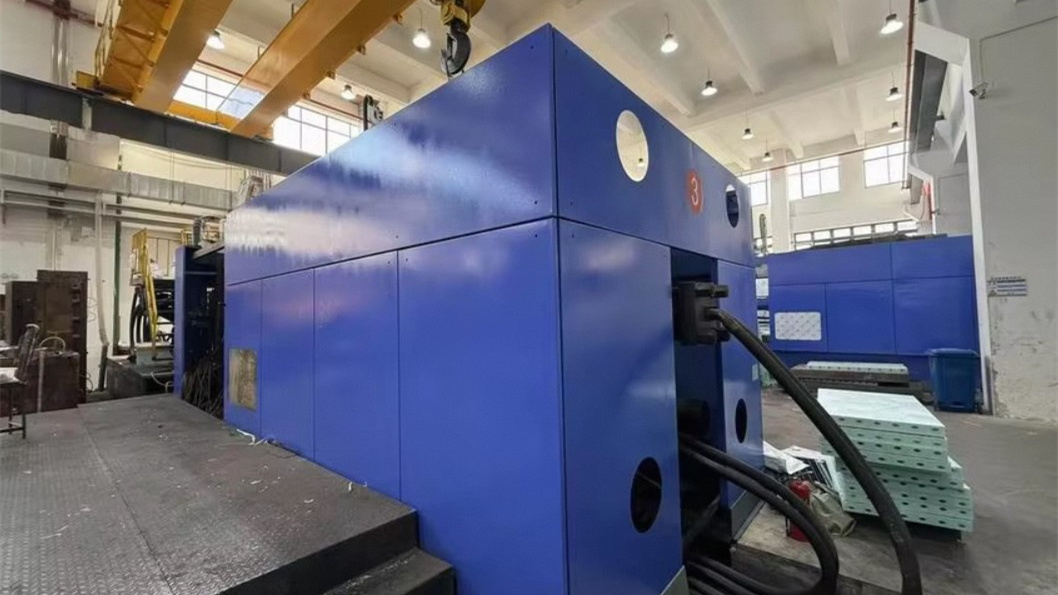
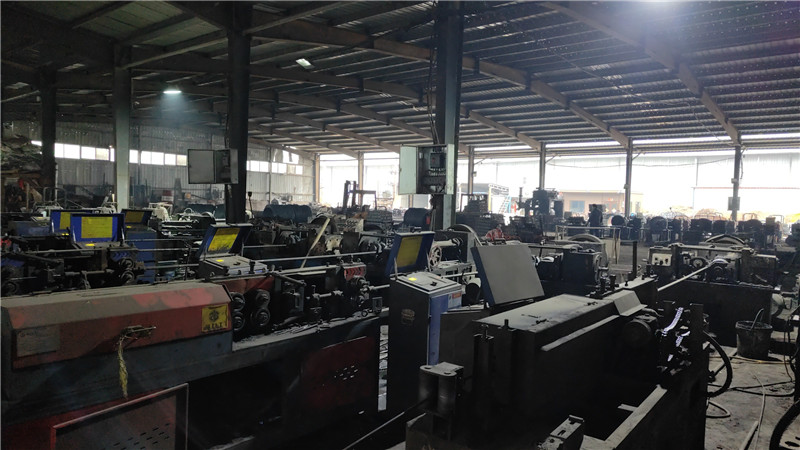
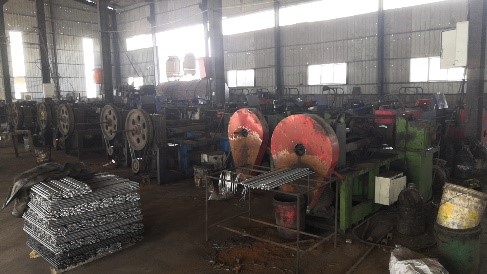
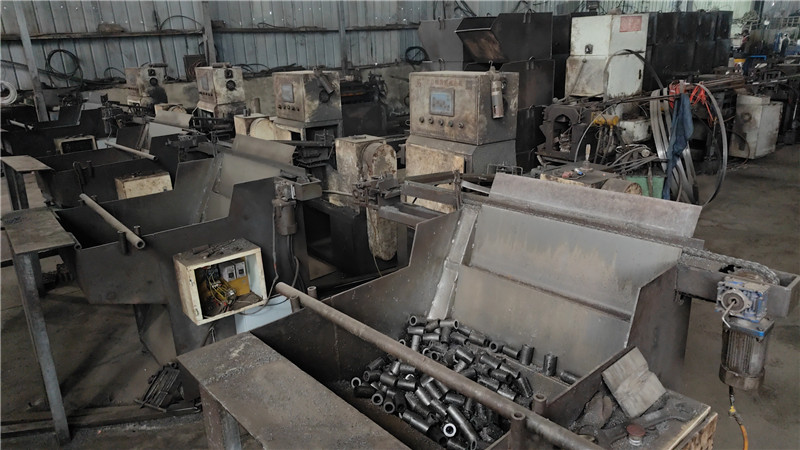
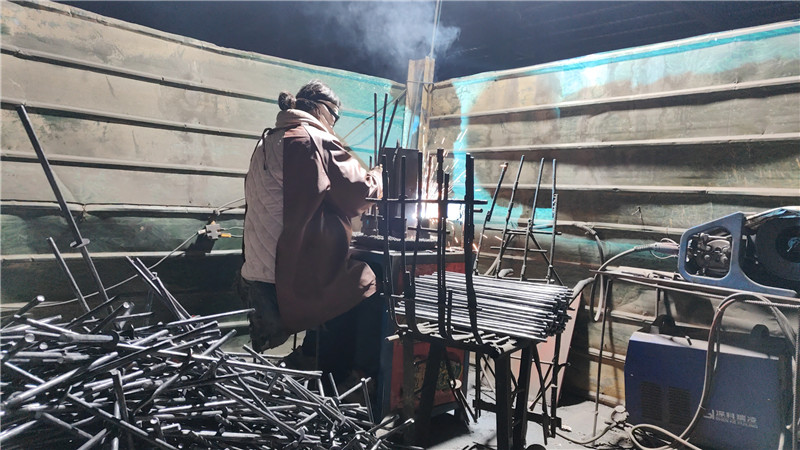
Engineered with high-standard raw materials and rigorous testing procedures to achieve premium structural durability.
With years of experience in the R&D and production of metal building materials, we have won numerous domestic honors and enjoy a significant international market reputation.
Our scope of cooperation with global distributors and engineering firms provides optimized logistics, cost efficiency, and full support for large-scale Pacific island projects.
Offering "cost optimization, quality optimization" materials, we supply architects and designers with a full spectrum of composite material solutions and post-installation tech support.
To ensure maximum life expectancy in tropical salt-spray climates, our composite products utilize components sourced exclusively from world-renowned material suppliers:
Adapting advanced composite technology to local infrastructure needs, marine projects, and architectural challenges across Polynesia.
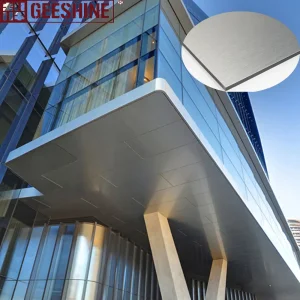
Traditional wood siding decays quickly from damp tropical air, while metal siding rusts. Our PVDF-coated ACM facades provide local resorts in Lalomanu and Apia with high wind load structural resistance, zero rot, and brilliant, fade-free color retention.
Transportation between Upolu and Savai'i via inter-island ferries exposes vehicle bodies to extreme saltwater spray. Using our high-strength fiberglass composite panels for refrigerated truck bodies prevents structural rust and offers excellent insulation.
Samoan utility systems struggle with power component decay due to seawater proximity. Our low-water-absorption SMC composite insulating components provide robust housing and barriers that withstand high salt conditions, avoiding grid shorts and line leakages.
Charting technological developments in raw material integration, sustainability, and durability for oceanic conditions.
Introducing silicon-based nanomaterials to SMC polymerization to lower water absorption rates below 0.05%, vital for submerged tidal power components and coastal telecom junction boxes.
Deploying copper-molybdenum-copper (CMC) laminate configurations into next-generation island cell grids, addressing severe thermal expansion imbalances under intense tropical solar loads.
Adapting all architectural ACM panels exported to the Pacific to A2-class fireproof standards, complying with international tall-structure safety codes for high-density public structures in Apia.
R&D focusing on integrating natural flax fibers and bio-resins with conventional matrix styles, reducing carbon footprints during export and supporting Samoa's zero-emission national goals.
Technical clarifications on performance parameters, environmental testing, and product applications in high-salinity island zones.
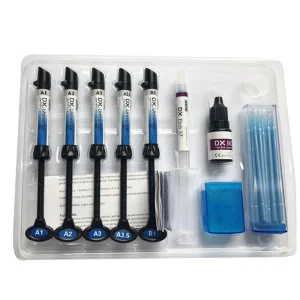
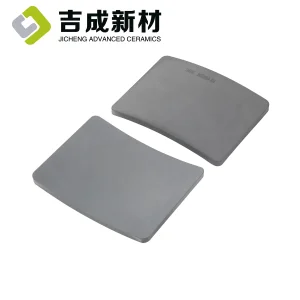
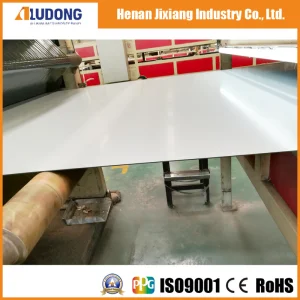
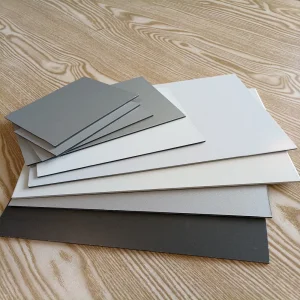
Select from our complete range of composite panels, medical packaging, electronic heat sinks, and structural materials.
 PEKA Build Materials